Tag: #EssentialListening

  • Clean Grunge or Cultural Erasure: When Rebellion Becomes Aesthetic Again

    Clean Grunge or Cultural Erasure: When Rebellion Becomes Aesthetic Again

    I remember grunge before it was a word. Before magazines called it a “scene” or MTV turned it into a countdown. To me, the Seattle sound was not a fashion—it was a correction. It was music dragging itself out of the glitter-drenched studios of the late ’80s, out of the overproduced gloss and neon, and back into the garage. Grunge was a basement with the carpet moldy from too many rainy days. It was amplifiers pushed too hard, a voice breaking on purpose because that was the only honest way it could come out.

    It wasn’t pretty. It wasn’t supposed to be. That was the point.

      Grunge emerged from discontent, from economic anxiety, and a generation raised on promises that crumbled as quickly as they were spoken. Seattle in the late 1980s wasn’t yet the gleaming headquarters of tech titans; it was a working-class, rain-soaked city still reeling from industrial decline. Out of that damp heaviness came guitars tuned low and lyrics that refused to smile for the camera.

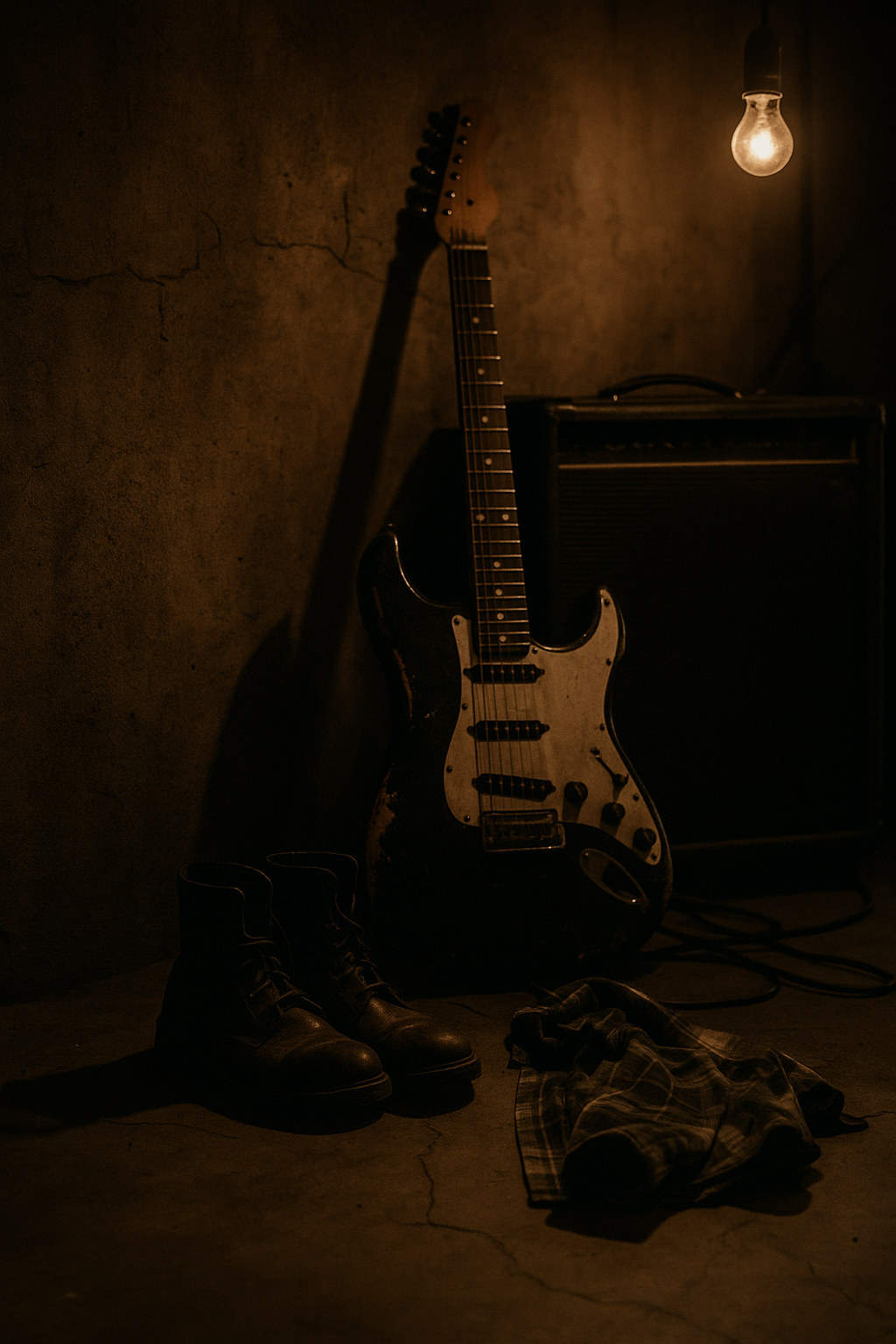
    The rebellion wasn’t only against mainstream music—it was against a culture that wanted rebellion to be marketable, predictable, and safe. Grunge didn’t arrive in designer jeans. It came in thrift store flannels, torn knees, and boots scarred from wear. It was ugly and unpolished because life was ugly and unpolished.

      Now, decades later, I scroll past TikTok and Instagram posts labeled “clean grunge.” And what I see isn’t rebellion—it’s choreography. Smoky eyes smudged with precision. Flannel jackets cut by stylists. A brand of rebellion polished and filtered until it gleams, made safe for marketing campaigns and mall shelves.

    The record companies, which once scrambled to repackage Nirvana and Pearl Jam for mass consumption, have found a new hustle: repackaging the image of rebellion itself. This time, they don’t even need the music. All they need is an aesthetic.

    And so, the movement that once told the truth about pain and survival gets reborn as an Instagram filter, stripped of its soul. The line between protest and product has never been thinner.

    This isn’t only about eyeliner and ripped jeans. It’s about what happens when culture takes a language of survival and repurposes it for profit. When pain becomes aesthetic, the memory of why that pain mattered gets erased.

    In the same way, soul food becomes “Southern cuisine” without the history of chains and resilience that gave birth to it. The same way hip-hop gets siphoned into ad jingles without the block that gave it life. Grunge wasn’t about style—it was about a generation’s refusal to look clean when life was dirty. By polishing it, you erase the very rebellion that made it matter.

      We live in an age where collapse itself is entertainment. Where burnout, breakdowns, and public unravelings get clipped and shared for profit. Grunge was one of the first loud refusals of that machine—too raw to be scripted, too messy to be safe. And yet, here we are again, with corporations teaching us how to buy “authenticity” in neatly packaged doses.

      The question isn’t whether grunge can make a comeback. The question is: Can rebellion survive once it’s been made aesthetic? Can truth survive when it’s curated for likes?

    When I think of grunge, I don’t think of smoky eyeliner or carefully ripped denim. I think of a garage where the walls shook, where voices cracked under the weight of what they carried, where kids who had nothing found a sound that meant something.

    And maybe the real rebellion now is not to buy what they’re selling us as “grunge,” but to remember what the original movement taught us: that beauty can be broken, that truth can be ugly, and that music, like life, is never meant to be clean.

    By Kyle J. Hayes

    kylehayesblog.com

    Please like, comment, and share

  • A Reflection on the Loss of a Pioneer

    A Reflection on the Loss of a Pioneer

    Today, Sly Stone passed away. And the world doesn’t sound the same.

    They’ll write the obituaries. They’ll tell you about the hits—Everyday PeopleThank You (Falettinme Be Mice Elf Agin) If You Want Me to Stay—and they’ll remind you that Sly and the Family Stone broke barriers: Black and white, male and female, gospel and funk, radical and joyful. But the truth is, you can’t really write Sly down. You have to feel him. You have to let the bassline wrap around your ribs, and the distortion melts into the marrow of your spine. You have to live inside the chaos of his sound to understand what he meant.

    Because Sly didn’t just make music. He reshaped it. He cracked it open and poured revolution into it.

    Before Prince danced across purple stages in high-heeled boots, before he blurred gender and genius in a swirl of falsetto and fire, there was Sly—funk’s wild architect. The Black man with a perm and a prophet’s pen, who wrote soul anthems that doubled as sermons, who saw the future and tried to drag the rest of us toward it, even as it tore at him. Prince stood on the edge of the genre. Sly obliterated it. Rock, soul, funk, psychedelia—he didn’t choose. He claimed them all.

    But unlike Prince, Sly never won the war for his music.

    While Prince famously scribbled “slave” on his cheek and fought Warner Bros. in the spotlight, Sly’s battle was quieter and crueler. He lost ownership of his music early and, with it, a piece of himself. The industry chewed him up like it’s done to so many brilliant Black creators—those who saw something holy in rhythm and melody, only to be left with shadows and unpaid royalties.

    And then there were the drugs.

    Sly fought them like a man wading through water that got deeper with every step. Cocaine, PCP, the ghosts of genius, and pressure and pain. His band fell apart. His voice changed. The clarity in his music faded. And yet… even in the haze, there were sparks. Small TalkHigh on YouI heard, ‘Ya Missed Me; Well, I’m Back.‘ But the world had already started turning its head, already writing him off. And that is the tragedy. Because Sly Stone never stopped being brilliant—he just stopped being what the world wanted brilliance to look like.

    We’ve lost so many of our giants this way.

    Lost them not just in death but in the way they were discarded while alive. Donny, Curtis, Rick, Whitney, MJ, Aretha, and now Sly. Black music—our music, foundational Black American music—has always been the soul of this nation. And yet, it’s often treated like a trend: celebrated, consumed, and forgotten. Those artists built the walls of American sound. Brick by brick. Note by note. And now, those walls feel emptier.

    So I ask: Who carries the torch now?

    Who sings not just with talent but with conviction? Who dares to blend funk and message, to stand against the industry instead of smiling for the cover photo? Who speaks truth to power in rhythm and melody and lets their voice sound imperfecturgentand human?

    I’m not sure if the next Sly is out there. Maybe we should stop looking for replacements and start remembering the ones we lost—fully. Honestly. Mess and all.

    Sly Stone was more than a funk legend. He was a sound—a movement trapped in vinyl, a spirit screaming through wah-wah pedals and gospel-soaked harmonies. He was the bridge between chaos and groove, between revolution and radio. And today, that bridge is gone.

    Rest in Peace, Brother Sly.

    You never needed permission to change the world.

    You just did it.

    By Kyle J. Hayes

    Please Like, comment, and subscribe.

  • U2’s The Joshua Tree: When Pop Music Reached for Something Higher

    U2’s The Joshua Tree: When Pop Music Reached for Something Higher

    It’s not supposed to feel this deep. It’s pop. It’s not supposed to carry this much weight, not supposed to stir this much longing. Pop is supposed to be light. Easy. Disposable. Something you hum along to in the car, something that moves through you without leaving a mark.

    No one told U2 that.

    Or maybe they knew, and they simply refused to obey the rules.

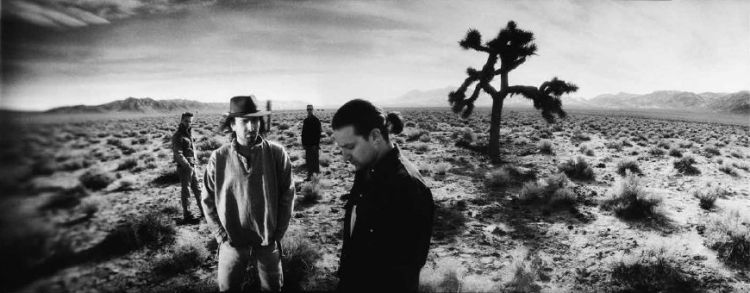
    Because The Joshua Tree isn’t just pop. It’s a landscape. It’s atmosphere. It is wide-open spaces and desert highways, rolling thunder, and quiet reckoning. It does what great music is supposed to do—it makes you feel and think, and it does both before you even realize it’s happening.

    And maybe that’s why this pop album hits harder than it has any right to.

    Something is aching in Where the Streets Have No Name. In the way, Bono sings like he’s searching for something just out of reach, something desperate in how the guitars shimmer and build.

    Then comes I Still Haven’t Found What I’m Looking For.

    Suddenly, the album no longer feels like pop.

    This is something else—something rooted in tradition, something older than the rock itself. This is gospel. The way the chords rise, and the choir sweeps in behind Bono’s voice is unmistakable. And not gospel in the sense of imitation, but gospel in spirit. This is the sound of yearning, the sound of faith wrapped in doubt, the sound of a man lifting his hands toward heaven even as his feet stay planted firmly on the ground.

    And that’s the brilliance of The Joshua Tree.

    Because it reflects the ’80s—the tension, the longing, the searching—it reflects America through outsiders’ eyes, seeing its promise and brokenness. It demonstrates the feelings people don’t always talk about—the spiritual exhaustion, the weight of time, the quiet, relentless ache of wanting more but not knowing exactly what more is.

    And that’s what makes The Joshua Tree great.

    Because it is pop, yes. But it’s also something more profound. Something truer.

    Something that reaches.

    And thank God nobody told them otherwise.

    By Kyle J. Hayes

    Please like, Comment, and subscribe

    #U2 #TheJoshuaTree #MusicAsResistance #AlbumReflection #RockHistory #EchoVerseNarratives

  • What’s Going On: The Sound of a Man, a Moment, and a Movement

    What’s Going On: The Sound of a Man, a Moment, and a Movement

    Some albums are flawless—technically perfect—masterpieces of production, arrangement, and execution. And yet, something is missing—some intangible element that separates great from transcendent.

    I don’t know what that something is.

    But What’s Going On has it.

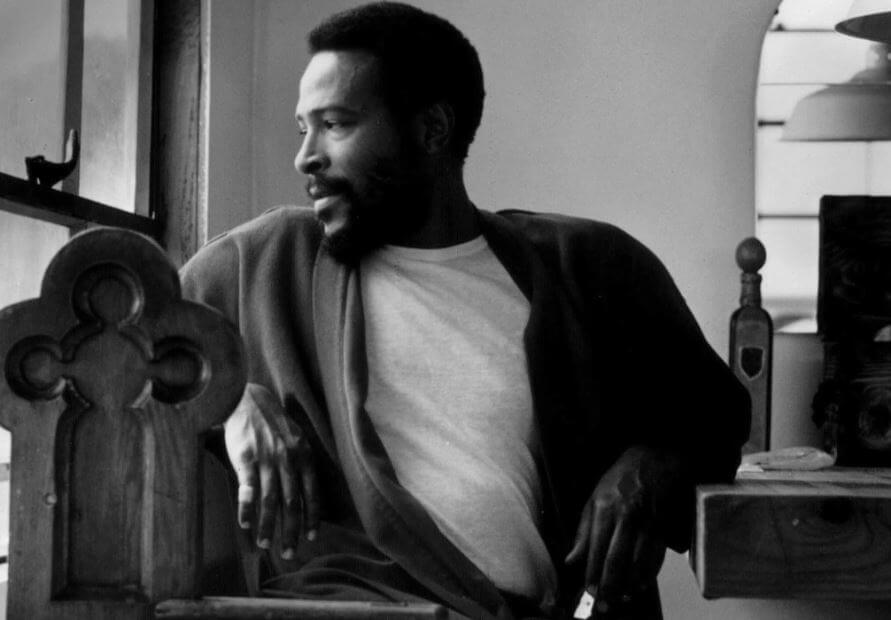
    It’s there in the first few seconds before Marvin Gaye even starts to sing. A murmur of voices, street-corner conversation fading in and out, a saxophone moaning in the distance. It doesn’t feel like the start of an album—it feels like stepping into something already in motion. Something real. Something urgent.

    Because Marvin wasn’t just making music anymore.

    His marriage was unraveling. The woman he built duets with, Tammi Terrell, was gone—taken by a brain tumor at 24, her voice silenced before it had the chance to live its full measure. His brother had come home from Vietnam, but Marvin had already been there in spirit—receiving letter after letter, each painting a picture more brutal than the last. He saw America burning in protest, drowning in war, divided by race, suffocated by injustice, and the weight of it all pressed down on him.

    And so, he did what only the great ones do. He put it all into the music.

    This album is not just a collection of songs. It is a prayer, a lament, and a call to action. It refines the messages of the ’60s—love, peace, resistance, revolution—into something pure and undeniable.

    A Different Kind of Protest

    Other protest music of the time was raw, defiant, and urgent. It called for fists in the air and battle lines to be drawn. But Marvin took another path.

    What’s Going On does not shout—it weeps. It does not rage—it pleads. It does not accuse—it begs America to look itself in the mirror and reckon with what it sees.

    “Mother, mother / There’s too many of you crying.”

    “Brother, brother, brother / There’s far too many of you dying.”

    These are not slogans. These are not rallying cries. These are wounds, laid bare over melodies so lush, so deeply felt, that you almost forget you are being confronted.

    A Vision That Was Almost Lost

    And what makes this album even more remarkable is that it rarely existed.

    Motown didn’t want this. Berry Gordy thought it was too political, too risky, too different. But Marvin fought for it. He refused to back down and kept singing about love and romance while the world fell apart. He believed in this music so much that he was willing to walk away from everything if it meant it would never be heard.

    And thank God he fought.

    Because this album still matters.

    The war may have changed, but the battlefield remains. The poverty, the racism, the injustice, the disregard for human life—it’s all still here. And Marvin’s voice, decades later, still asks the same question:

    What’s going on?

    This is what separates technically perfect albums from the ones that live forever.

    What’s Going On is not just music.

    It is soul.

    It is history.

    It is Marvin Gaye—raw, vulnerable, broken, and unfiltered—pouring himself into something bigger than sound, bigger than sales, bigger than time itself.

    It is, simply put, greatness.

    By Kyle Hayes

    Please like, comment, and subscribe.

  • Memory Is a Beautiful Lie: On Prince, the Midwest, and 1999

    Memory Is a Beautiful Lie: On Prince, the Midwest, and 1999

    Being from the Midwest, Prince holds a special kind of weight.

    It’s not just admiration. It’s proximity.

    Growing up in the Quad Cities, we weren’t Minneapolis, but we were close enough to feel like distant relatives of the revolution. Close enough to claim some of the Minneapolis Sound as our own.

    He was our alien. Our genius. Our mirrorball Messiah who somehow made it okay to be soft and sharp, Black and weird, holy and filthy—all in the same breath.

    And, he came here.

     Prince and The Time came to Palmer Auditorium in Davenport, Iowa—not an arena, not a sold-out stadium tour stop, but a modest venue tucked into the quiet edges of the Midwest.

    And still, it felt monumental.

    It didn’t matter that we weren’t in Minneapolis.

    That moment burned itself into the DNA of our town—our little corner of Iowa suddenly touched by something electric, something eternal.

    Prince, in all his velvet and voltage, bringing The Time with him—funk royalty stepping onto our humble stage. That moment?

    It burned itself into the DNA of our town, our little corner of nowhere suddenly touched by something eternal.

    But for most people, Prince begins and ends with Purple Rain.

    The movie. The myth. The leather and lace. The lake.

    And don’t get me wrong—Purple Rain is iconic.

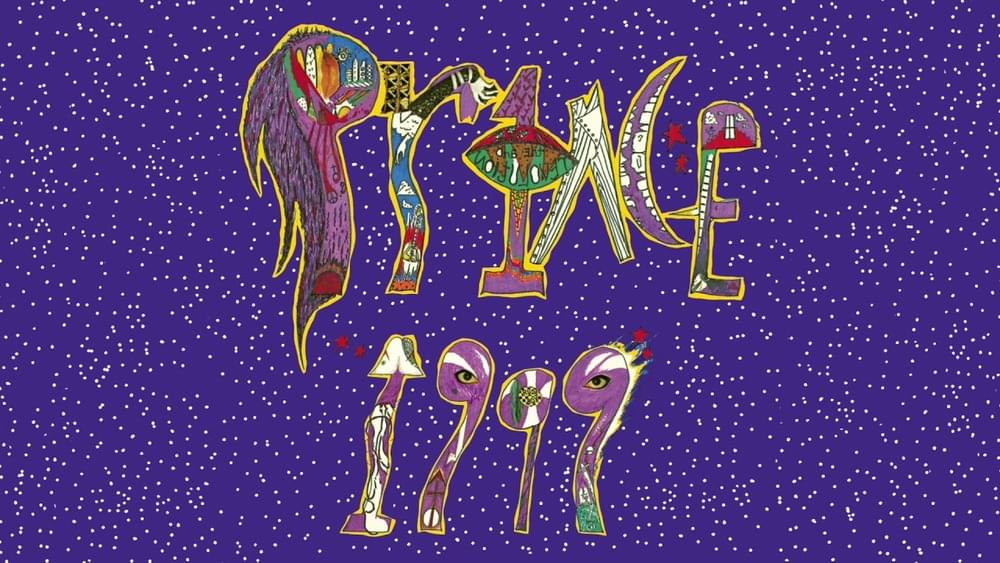
    But for me, the album that carved itself into my ribs, which made me feel like I belonged to something larger than cornfields and strip malls, was 1999.

    So when I saw 1999 on the list—the so-called 100 Greatest Albums—I felt something like pride.

    That little inward nod.

    Of course, it’s on there.

    But then I listened again.

    And it’s strange how time plays tricks on us.

    I remember it being better.

    I remember it feeling bigger.

    I found myself hurting as the songs played—not because the album was bad, but because it wasn’t what I remembered.

    The synths sounded thinner.

    The hooks felt looped too long.

    And my heart, God help me, broke a little.

    Because this album was supposed to be immaculate.

    It was the soundtrack of preteen confusion, teenage discovery, and those first awkward dances at basement parties and school gyms.

    It was rebellion wrapped in lace, poetry bathed in funk.

    And now?

    Now, it felt like a memory I didn’t ask to revisit.

    But then International Lover came on.

    And there it was.

    That swagger wrapped in silk, that ridiculous, beautiful blend of seduction and performance.

    No one else could have done that song and made you believe every absurd, brilliant line.

    It holds even now—after all these years, after all the losses and gains, after all the changes in the man, the music, and the world.

    It reminded me that 1999 was never supposed to be perfect.

    It was meant to be raw. Daring. Loud. Unapologetic.

    Prince didn’t just make music.

    He made permission.

    Permission to feel too much, love too loudly and blur the lines between sacred and profane.

    So maybe the heartbreak I felt listening to again wasn’t about the album.

    Maybe it was about me.

    About who I was when I first heard it.

    About the places I can’t return to, the people who are no longer here, the dreams that bent but didn’t break.

    Because that’s what 1999 is now—

    It is not just a record but a memorial to a sound.

    To a moment.

    To a boy from the Midwest who believed that a god lived just a few hours north of him in a purple house filled with mirrors and drum machines.

    That may be why it still deserves to be on the list.

    Not because every song holds up.

    But because the feeling does.

    Memory is a beautiful lie.

    But sometimes, the music brings it close enough to touch.

    By Kyle Hayes

    Please Like, Comment, and subscribe

  • The Sound of Something True: On Bob Marley’s Legend

    The Sound of Something True: On Bob Marley’s Legend

    By Kyle J. Hayes

    Since I began this journey through the Greatest Albums of All Time, I’ve never been more excited to write about an album.

    And that sentence feels too small for what I’m about to say.

    Because this—Bob Marley’s Legend—is not just an album.

    It’s a threshold.

    A bridge. A sanctuary.

    A memory you carry in your chest, even when the music isn’t playing.

    I bought it first on cassette.

    Played it until the tape hissed like it was exhaling its last breath.

    Then again on CD, when silver discs felt like the future.

    Later, I spent days—actual days—downloading it piece by piece on Napster, watching the little green bars inch forward like they held salvation.

    Now, I pay for Apple Music just to keep it close.

    Someday, I’ll buy it on vinyl, not just to play it but to frame it and hang it on my wall like a photograph of someone I once loved and never stopped missing.

    I don’t even know where to begin.

    Every song is a sermon.

    Every note feels like it was written for the version of me that still believes music can heal.

    There’s joy in his voice. Resistance.

    Love.

    Rage.

    Truth.

    No Woman, No Cry plays, and I’m no longer in my living room—I’m somewhere deeper, surrounded by people I’ve never met, singing along like we’ve known each other all our lives.

    Redemption Song still feels like a prayer whispered through clenched teeth.

    A man singing not just of freedom but of what it costs to carry hope in a world that demands you bury it.

    I try to sing along.

    And each time, I feel the pain in my throat, in my lungs.

    Not because I’m straining for pitch,

    but because I’m not him.

    Because what he gave us can’t be imitated.

    Only honored.

    Legend is a compilation, sure.

    But it doesn’t feel like one.

    It feels like a conversation.

    A reckoning.

    A quiet reminder that revolution doesn’t always sound like a gunshot—sometimes, it sounds like a man strumming a guitar, smiling through sorrow, telling you that everything’s gonna be all right, even when the world tells you otherwise.

    And that’s what makes this album eternal.

    It doesn’t just live in the past.

    It meets you where you are.

    Wherever that is—joy, heartbreak, exile, return.

    You don’t just listen to Legend.

    You walk with it.

    You let it hold your hand when there’s no one else to reach for.

    So yes, it deserves to be on this list.

    At the very top, if we’re being honest.

    And when I finally hang that vinyl on the wall, it won’t just be decoration.

    It will be an altar.

    To the man.

    To the message.

    To the music that keeps playing long after the last note fades.

    And if you’ve ever needed to feel seen,

    to feel lifted,

    to feel human—

    Bob Marley left a legend just for you.

    Please Comment, Like, and subscribe

  • The Ghost of a Drum : On Phil Collins, No Jacket Required, and the Memory of a Missed Song

    The Ghost of a Drum : On Phil Collins, No Jacket Required, and the Memory of a Missed Song

    By Kyle J. Hayes

    There was a flash of excitement.

    That kind of flicker that only comes from nostalgia when it meets recognition.

    I saw No Jacket Required on the list, and my brain did what it always does—it leapt ahead of the facts, filled in the blanks with its own beautiful lies, and whispered, “In the Air Tonight.”

    I could hear it already.

    That low, ominous build.

    The silence before the storm.

    And then—boom-boom boom-boom-boom-boom—the greatest drum fill in the history of emotionally dramatic air drumming.

    I’ve practiced that break. In the car. In the kitchen. At red lights. On the armrest of every couch I’ve ever owned.

    It’s not just sound—it’s release. It’s anger, sadness, power, cool.

    A universal moment of musical catharsis played out in invisible air with invisible sticks.

    And then I looked again.

    And there it wasn’t.

    “In the Air Tonight” is not on No Jacket Required.

    And in that realization, a small part of me sank.

    Not because the album isn’t good—it is.

    It’s damn good.

    But because I’d already emotionally committed to that song, to that moment.

    And now I was sitting with something else entirely.

    But still, we have No Jacket Required.

    And yes, it deserves to be here.

    Because Phil Collins didn’t just make hits—he defined the sound of a decade.

    His fingerprints are all over the ’80s.

    Not just through his work but also through production credits, collaborations, and echoes of his sound showing up in places you didn’t expect but somehow always recognized.

    He made the drums more than a backdrop—they became a presence.

    Gated reverb. That big, cavernous, otherworldly crash that sounded like it was coming from a thousand miles away and yet landed directly in your chest.

    He turned rhythm into drama. Made percussion the story.

    And maybe that’s why I remember the music videos so vividly.

    The lighting. The close-ups. The moments he’d stare directly into the camera with that look—detached but deeply aware, like he knew exactly what he was doing to you.

    Was it MTV? VH1?

    Of course.

    Collins thrived in the era of the visual.

    He knew how to use the medium—not just to sell records but to create myth.

    To make you feel like the man behind the drum kit was carrying a secret.

    And sometimes, when the light hit just right, it felt like he might tell you.

    There are many great Phil Collins albums, and this is undoubtedly one of them.

    No Jacket Required is a snapshot of a man who had perfected his sound and leaned into pop stardom without losing that strange, moody undercurrent that always lingered beneath the surface.

    And even if In the Air Tonight isn’t here,

    he is.

    And maybe—just maybe—another one of his albums will show up on the list.

    The fill may be waiting for me there.

    And when it comes, I’ll be ready.

    Air sticks in hand and Muscle memory intact.

    Please Like, comment, and Share

  • The Day Had to Come: Appetite for Destruction and the Limits of Endurance

    The Day Had to Come: Appetite for Destruction and the Limits of Endurance

    By Kyle J. Hayes

    I knew this day would come.

    Not every album on this list could be a masterpiece. Not every record could shake my soul, move my spirit, or make me rethink everything I knew about music. Everything can’t always be perfect, or great, or even good, for that matter.

    But I never expected this.

    When I saw Appetite for Destruction on the list, my first thought wasn’t intrigue—it was suspicion. Who did they pay to get here? And more importantly, could I get a refund for the time I was about to waste?

    Still, I pressed play.

    And for the next hour, I endured what can only be described as an auditory assault. A grating, unrelenting, screeching sound that drowned out everything else—the guitars, the drums, the songwriting, the legacy of every other hair band that ruled the ’80s. That sound, of course, was the voice of Axl Rose.

    Some call it iconic. I call it unbearable.

    Axl Rose does not sing so much as he wails—a tortured, high-pitched, feline howl that claws its way through every track, turning what might have been decent rock songs into exercises in endurance. At times, it felt less like an album and more like a punishment, which should come with a disclaimer: Warning: prolonged exposure may result in existential questioning of musical taste and life choices.

    And it’s not that Guns N’ Roses isn’t good. They are. Slash is a great guitarist. The band had energy, attitude, and undeniable influence. But the tragedy is that none of that comes through when the most dominant sound on the album is the screeching equivalent of a dying cat.

    And so, I am left with only one wish.

    Whoever was paid to put this album on the list—I hope they hear Axl Rose’s voice in their sleep for eternity.

    Because Appetite for Destruction does not belong here. Not among the greats. Not on this list. Not in a world where other bands from the same era—bands with stronger vocals, deeper songwriting, and actual listenability—exist.

    I came in skeptical. I leave vindicated.

    Now, if you’ll excuse me, I need to cleanse my ears with something else.

  • Does Listening to Superfly Make You Cool?

    Does Listening to Superfly Make You Cool?

    By Kyle J. Hayes

    Some albums sound cool. And then some albums are cool.

    Albums so effortlessly smooth, so drenched in style and swagger, that just pressing play feels like stepping into another world. Albums that don’t just make you nod your head but make you walk differently. Makes you feel different.

    And Superfly?

    Man. Superfly is one of those albums.

    Curtis Mayfield didn’t just create a soundtrack—he created a mood. A statement. A soul-funk symphony that floats, struts, and glides with a kind of self-assuredness that cannot be faked. The grooves are deep, the horns are sharp, and the basslines carry themselves with the quiet confidence of a man who knows exactly who he is and what he’s about.

    And so, the question becomes—does listening to one of the coolest albums ever make you cooler by default?

    I wish it did.

    I wish just spending time with Superfly was enough to give you that Curtis Mayfield grace, that effortless style, that ability to turn the act of being into something cinematic. But cool isn’t just about what you hear—it’s about how you carry it.

    And Superfly carries itself differently than most.

    Because, yes, it’s funky. Yes, it’s soulful. Yes, it moves. But listen closely, and you’ll realize Mayfield wasn’t just making a soundtrack to a blaxploitation film—he was challenging it. At a time when Hollywood was painting drug dealers and hustlers as heroic figures, Mayfield turned the mirror back. Songs like Pusherman and Freddie’s Dead aren’t glorifications but indictments. They’re warnings wrapped in some of the most infectious grooves ever recorded.

    That’s what makes this album deserving of its place on the list.

    Because it’s not just a great soundtrack. It’s not just a collection of songs. It is commentary, art, and a document of its time that still feels as relevant now as it did then.

    So, no, just listening to Superfly won’t make you cool.

    But understanding it? Feeling it? Letting it seep into your bones until you carry yourself with that same quiet confidence, that same unshakable awareness of self?

    That just might.

    Please Like and comment

  • Hearing Born in the U.S.A. for the First Time—Again

    Hearing Born in the U.S.A. for the First Time—Again

    By Kyle J. Hayes

    In 1984, Born in the U.S.A. was everywhere.

    It was the sound of shopping malls, car stereos, and bars with televisions blasting MTV. It was a staple, a part of the background noise of America, a song that seemed as inescapable as the country it was named after. And back then, I heard it only on the surface—just another piece of pop culture, another anthem.

    And, to be honest, I never thought Bruce Springsteen could sing.

    My friends used to joke about it—Bruce Can’t Singsteen. That ragged, gravelly voice, more of a shout than a melody, seemed to lack the polish of the pop stars ruling the airwaves. And so, I didn’t give him much thought.

    But the years have a way of changing the way you hear things.

    Because Born in the U.S.A. isn’t just an anthem. It isn’t just a fist-pumping, stadium-shaking chant. And I still wonder how many people who blasted it from their radios ever actually listened—truly listened—to what Springsteen was saying. Because beneath the massive drums and the stadium-filling chorus, there is a story. A deeply American story, but not the one that blind patriotism wants to claim.

    This is an album of struggle, disillusionment, lost dreams, and broken promises. Born in the U.S.A.—the song, not just the album, is not a celebration but a lament. The story of a Vietnam veteran, discarded by the same country that sent him to war, returning home to nothing. It is anger wrapped in a fist-pumping rhythm, a song of protest mistaken for a declaration of pride.

    And that, in many ways, is the brilliance of this album.

    Springsteen tells stories—real ones—the kind that don’t make it into history books, the kind that plays out in the quiet corners of small-town bars and kitchen tables stacked with unpaid bills. Downbound Train aches with heartbreak. I’m on Fire burns with restrained longing. My Hometown is a reflection of a place that no longer exists, a memory slipping further into the past with each passing day.

    And then there is Glory Days.

    I didn’t think much of it when I was younger. But now? Now, I hear it differently. Now I understand the weight of nostalgia, the way time slips away before you even realize it is moving. Now I know what it feels like to sit across from an old friend, talking about how things used to be, knowing—deep down—that those days aren’t coming back.

    That’s the power of this album. It isn’t just about America. It’s about the people who live in it, struggle in it, and survive. It is about time, regret, and resilience. And that is why it belongs on this list—because it is not just great music but greatstorytelling.

    I hear it now.

    Please Like and comment