Tag: life

  • “Fireworks, Smoke, and Silence: Reflections on the Fourth of July”

    “Fireworks, Smoke, and Silence: Reflections on the Fourth of July”

    I remember the Fourth of July not as a lesson in civics, but as smoke thick in the backyard, children running with sparklers and paper plates bending under ribs and deviled eggs. I remember laughter louder than the cheap boom of fireworks we lit off in the alley. We didn’t talk about the Declaration or Jefferson—we talked about who made which potato salad. About the music. About the person who brought store-bought chicken and tried to pass it off as homemade.

    We were celebrating something, though. Maybe not independence. But togetherness. Perhaps not the country. But the neighborhood. The people who showed up. The people who still knew your middle name.

    As I grew older, the smoke remained the same, but the fire changed. Firecrackers instead of sparklers. Bottle rockets fired off in the street like we were challenging the sky. Then it became more refined—city festivals, parades, sanctioned firework displays. You’d drive out to the river or a stadium or the edge of town and watch lights bloom over the landscape like temporary stars. And for a moment, we all looked up. Together. That was something.

    Now? Now I watch the fireworks on TV.

    I sit in the quiet of a home I pay for with work that doesn’t rest. I flip past news coverage, see red, white, and blue glossed over a nation that feels exhausted by its own reflection. The fireworks crackle through speakers. But there’s no smoke. No laughter. Just the echo of something I used to understand.

    Small Town America still gets it, in a way.

    There’s a rawness to how they celebrate. The Fourth feels like a living thing there—felt in parades with tractors draped in bunting, kids waving flags the size of dish towels. It’s in the grill smoke curling behind churches and VFWs. It’s in the fire department pulling double duty—hosing kids down for fun in the morning, standing ready for emergencies by nightfall.

    In these towns, the holiday doesn’t ask for an explanation. It just is. A ritual passed down like recipes and stories told on porches. Patriotism feels personal—tied to the land, the local, and the lineage.

    But drive two hours into the nearest city and it’s different.

    You feel the tension. The mix of celebration and scrutiny. Fireworks punctuate protests. Red, white, and blue merchandise is sold alongside T-shirts that read “No Justice, No Peace.” The holiday is no longer a question of tradition, but of interpretation. Who gets to feel free? Who was never meant to?

    Region matters, too.

    In the South, it’s often steeped in performative pride. The flags wave bigger, but the air feels heavier. History isn’t just remembered—it’s reenacted. For Black folks, it has always been a complicated celebration. Independence was declared in 1776, but our freedom didn’t come until almost a century later—and even then, it was on paper, not in practice.

    In the Northeast, there are more ceremonial historic towns holding colonial parades, bell ringings, and readings of old speeches. It’s a curated memory. A museum brought to life. Patriotic, yes, but distant.

    Out West, the holiday is looser, more abstract. Backyard cookouts in canyon shadows. Fireworks flaring over desert skies. The patriotism is quieter, more tied to the land and the idea of independence—something rugged, something wild.

    The Midwest—my home—straddles it all. Here, it’s a mix of deep-rooted ritual and growing skepticism. It’s the county fair and the protest. It’s the American flag hanging next to a Juneteenth banner. A place that still wants to believe in something, but is no longer sure what that something is.

    And that brings me to now.

    To this country.

    To this moment.

    Divided doesn’t feel like a strong enough word. We’re not just on different pages—we’re reading different books. For some, the Fourth is still sacred. For others, it’s hollow. Some wave flags with pride. Others burn them. Some pray for peace, others brace for chaos. Will we celebrate with barbecues or barricades this year? Will the fireworks light up the sky—or drown out the sirens?

    I’m no longer sure what the Fourth of July means anymore.

    I’m not sure if I ever truly did.

    But I know what I miss.

    The simplicity of smoke.

    The smell of burnt meat and the smoke of firecrackers.

    Family laughing. Adults yelling, ” Don’t blow your fingers off.” The way we all stopped for a moment to look up, not at a country, but at the light. Together.

    That’s what I try to hold on to now.

    Not the promise of America. But the possibility.

    Not the history. But the humanity.

    Because if there’s anything left to celebrate, it could be the small things. The gathered ones. The moments are too ordinary to lie about. The fireworks we make just by showing up.

    By Kyle Hayes

    Please like, Comment, and subscribe

  • “Sugar, Memory & Mercy at Largomarcino’s”

    “Sugar, Memory & Mercy at Largomarcino’s”

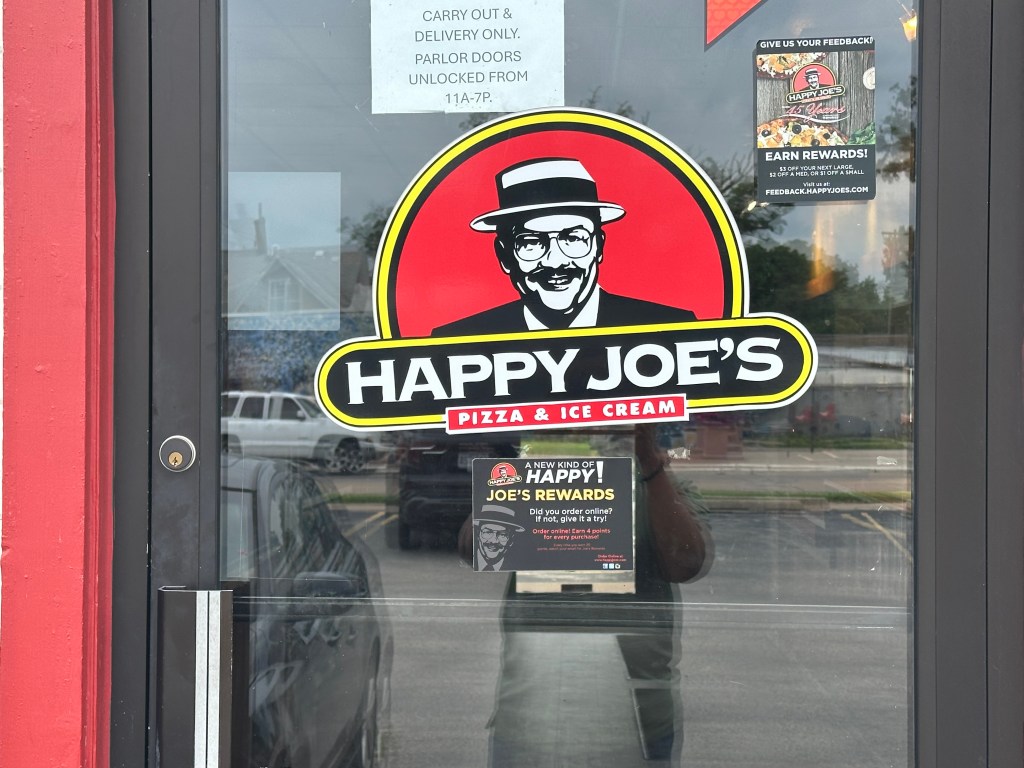
    A man who’s tasted disappointment in the places that once defined him learns to guard his nostalgia like a brittle heirloom. After Happy Joe’s went corporate cold, I flew home to Albuquerque, full of disappointment and regret. But the Quad Cities still keeps a few sanctuaries, and chief among them is Largomarcino’s—the century-old candy counter where sugar still gets its hands dirty.

    Walk through the front door, and you feel the floorboards remember you, even if the staff doesn’t. The glass cases shimmer with rows of turtles, truffles, and creams—each one lined up like choirboys who secretly spike the hymn wine after service. Behind the marble counter, brass soda taps glint under amber pendant lamps that refuse to be updated. The air smells like vanilla bean and sweet cream spiked with a quiet note of fryer oil drifting in from the lunch nook in the back. It is, mercifully, the same as it ever was.

    I once brought a girl here on a first date, sure that the scent of caramelizing sugar and the soft clink of long-handled soda spoons would say things my teenage vocabulary couldn’t. We shared a sundae, so overloaded it listed starboard. She laughed; I tried to look like the kind of man who casually knows about old-school candy parlors. Truth? I just needed to show her a place that felt like honesty in a world already hustling counterfeit cool. Largomarcino’s obliged. That date briefly made me king of a realm where chocolate crowns are handed out freely, and the only recession is the one your dentist warns you about later.

    On this recent visit, I half-expected the specter that haunts old favorites: the new logo, the laminated menu, the weary cashier whose corporate smile never quite reaches the eyes. Instead, I found the latest generation Largos still behind the counter, still calling regulars by name, still Loading chocolate into various little boxes. The soda fountain stools squeaked the same protest when I sat down, the way old friends groan but scoot over to make room.

    Lunch was a club sandwich—no reinvention, no aioli, just Midwestern humility between slices of white bread—followed by Diet Coke (Yes, I see the irony). I picked handfuls of candy bars and orange-covered chocolate for the friends back in Albuquerque who have heard me sing this place’s praises like late-night gospel. I bought a bag of Bourbon caramel bites for myself, just in case hunger struck early and I regretted it later.

    Is it worth the eventual dental bill? Absolutely. Is it worth the added miles on the treadmill? Hell yes. But more than that, Largomarcino’s is worth the faith it restores—that somewhere, beyond the safe neon glow of fast-casual chains, flavor, and family can still stubbornly share a roof.

    I carried my haul out into the Midwest humidity, sugar sweat already forming on my brow, and realized something simple: places like this don’t just sell candy. They sell mercy. A soft reprieve from processed sameness, a reminder that craft and care can outlast the quarterly report. You taste it in the snap of a dark chocolate almond bark and in the carbonic tickle of a handmade phosphate. You taste the persistence of people who keep stirring copper kettles because machines can temper chocolate, but they can’t temper the soul.

    I will keep coming back as long as there is a back to go to. And suppose the world ever swallows Largomarcino’s the way it swallowed Happy Joe’s. In that case, I’ll tuck the bourbon bites in my pocket, let them melt down to sticky echoes, and remember how good it felt to stand in a room where sugar, memory, and mercy still mingled, still mattered, and still refused to sell out.

    By Kyle Hayes

    Please Like, Comment, and subscribe

  • “When Special Ain’t Special Anymore”

    “When Special Ain’t Special Anymore”

    We all have those sacred little spots from home — the places you carry with you long after you’ve left, even if they’ve forgotten your name. Places that stitched themselves into your identity not with grand gestures but with greasy napkins, familiar neon signs, and food that tasted like it was made just for you. Not because it was fancy. Not because it was famous. But because it was yours.

    I hesitate to call Albuquerque my hometown. I live here. I breathe here. I’ve found my people here. It’s where the aroma of green chile clings to the air the way morning dew does in other places. It’s one of the few towns where saying “Christmas” doesn’t summon tinsel and ornaments — it brings red and green chile poured over everything from burritos to cheeseburgers like edible stained glass. That’s home, too. But not the only one.

    You see, I grew up in the Quad Cities — a borderland of sorts in the Midwest where blue-collar sweat runs thicker than politics and where local business meant something before the world corporatized your sense of taste. It wasn’t glitzy. It wasn’t Instagrammable. But it had a soul.

    There, we had our pizza joints. Sure, we had the big chains — Domino’s, Pizza Hut, Little Caesars, all the familiar mascots of American mediocrity. But we also had Happy Joe’s. Not a chain. Not a franchise in the traditional sense. It was ours. And to this day, the best pizza I’ve ever eaten — the only one I compare all others to — was their Taco Pizza.

    Now, when I say taco pizza, I don’t mean some limp pie scattered with taco seasoning and sadness. I mean crunch and spice and shredded lettuce that somehow made sense on a pizza. I mean pizza that didn’t just feed you — it made you feel like you were in on a secret. And try as I might here in Albuquerque, I can’t find one that hits the same way. I’ve made my own, come close, even thought I had it once — but nah. It’s not the same. And you can’t show people a picture to explain it. Taco pizza is like faith — you either grew up believing in it or you didn’t.

    I recently went back to the Quad Cities. Just a visit. A pilgrimage, really. And, of course, like any prodigal son trying to recapture the taste of memory, I made a beeline for Happy Joe’s. But something was off. The restaurant was nearly empty. No smell of oregano clinging to the ceiling tiles. No laughter echoed from the game room. And when the pizza came — it looked the same. But it didn’t feel the same.

    It turns out that the place had been sold before the founder passed away. Sold. As in: acquired, folded into the machinery, sanitized for profit. The sauce still had spice. The crust still crisped. But the soul? Gone. I sat in that booth, chewing nostalgia like stale bread, realizing what I already knew: the places we love change. And sometimes, they don’t take us with them.

    But not all is lost.

    There’s still Lagomarcino’s — another one of those rare places that refuses to become generic. Still family-run. Still wrapped in its own history, like a gift, it doesn’t have to be opened to be appreciated. Still local. Still proud. It’s so good It deserves its own post. Its own reverence.

    What I’ve learned — what I keep learning, usually the hard way — is that we carry our special places like we carry scars, not because they hurt now, but because they mattered. They shaped us. And when they change or disappear, it’s not just the food we mourn. It’s the kid we were. The world that made sense. The version of home we thought would always be there.

    And so I write. Because writing is how I preserve what can’t be frozen, franchised, or flavored in bulk. It’s how I remember. Not just the food — but what it meant to be fed.

    By Kyle Hayes

    Please Like, comment, and subscribe

  • “Gas, Grit, and Grease: The Rise of Breakfast Pizza”

    “Gas, Grit, and Grease: The Rise of Breakfast Pizza”

      Some revolutions don’t come with fanfare. They come with sausage and scrambled eggs baked onto dough, passed across a counter next to a stack of lottery tickets and a bottle of windshield washer fluid.

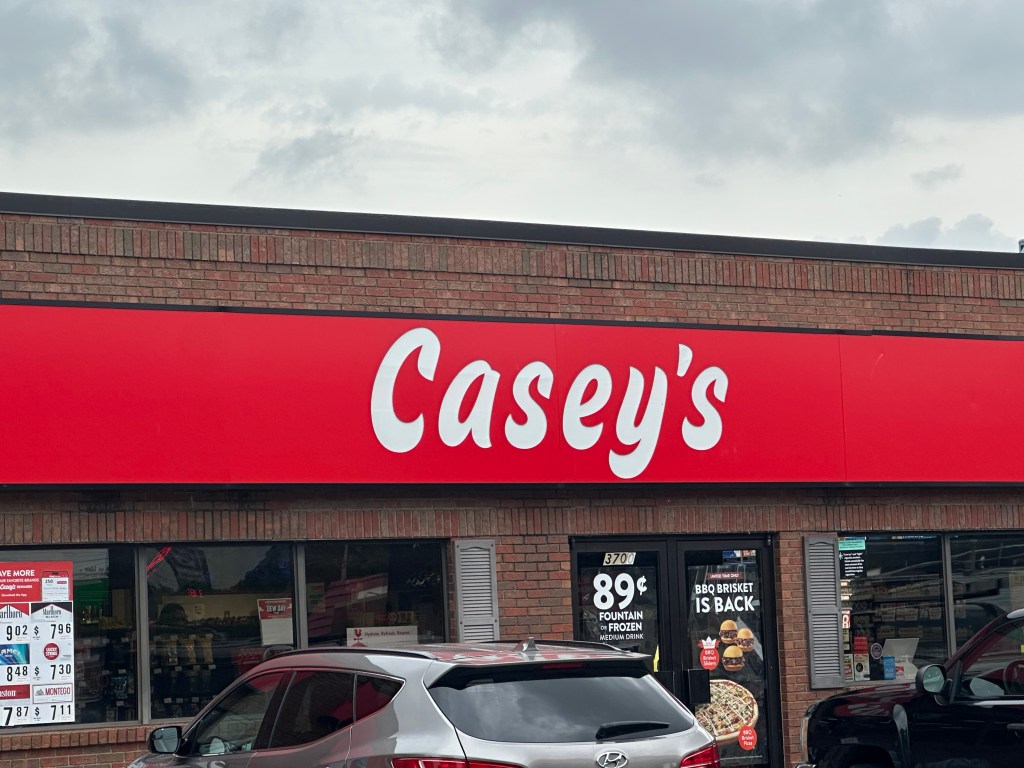
    Somewhere between Des Moines and nowhere, in a town stitched together by grain silos and family plots, Casey’s joined the great pizza debate. No press release. No rebranding campaign. Just a warm box, steam slipping out the corner, handed to you by someone who probably went to school with your cousin.

    It’s gas station pizza.

    But it’s also breakfast.

    And—maybe more surprising—it’s good.

    Really good.

    Casey’s didn’t ask for the spotlight. But in the vacuum left by Happy Joe’s—the once-beloved Midwest institution now hollowed out by corporate ownership—someone had to carry the flag. And who better than the corner store where people already stopped each morning? For gas. For coffee. For smokes. For a moment of stillness before the engine of the day kicks in.

    Add breakfast pizza to that mix, and you’re no longer just fueling your car. You’re feeding something more—something rooted in routine, in comfort, in community.

    This isn’t fast food. It’s small-town sustenance.

    The crust is soft but holds its weight. The cheese stretches like it’s proud of itself. The eggs—fluffy in a way that shouldn’t be possible from a gas station oven—mingle with sausage, bacon, and a whisper of gravy or ranch, depending on your luck or your location. And there’s something about eating it hot in your car, with the windows cracked, that makes it feel like a secret you didn’t know you needed.

    It’s not trying to be New York thin or Chicago deep. It’s not partisan. It’s not aspirational.

    It’s accessible. And in places long forgotten by the chains and the trendsetters, that matters.

    In these parts, you learn not to turn your nose up at a place just because it sells motor oil next to chicken wings. I’ve had some of the best-fried chicken of my life at a gas station where, for a while, they sold more legs and thighs than unleaded gasoline. The fryer was old, the breading was loud, and the line wrapped around the soda machine.

    The food wasn’t about food. It was about necessity turned into art, about making it work with what you’ve. That’s the ethic here. That’s what breakfast pizza at Casey’s represents—not just a meal, but a moment.

    And maybe that’s what makes it stick.

    Because when the big brands pack up and leave—when the last neon signs flicker out, and the downtown diner turns into a boarded-up memory—it’s places like Casey’s that stay. The ones that evolve without losing their soul. They understand people need something hot in the morning, something easy, something satisfying. Something theirs.

    So, yeah. Put Casey’s in the pizza conversation.

    Not because they outdid Brooklyn or outbaked Naples.

    But because they showed up for the Midwest.

    And sometimes, showing up is everything.

    By Kyle Hayes

    Please Like, Comment, and subscribe

  • Where Are the Heroes?

    Where Are the Heroes?

    A Meditation on What We’ve Lost

    I don’t know when it started. Maybe it was gradual and subtle, like a dimming light you don’t notice until the room is too dark to read by. But one day, I looked around at the screens that raised our children and couldn’t find the heroes.

    I began to notice it with The Boys. It is a show about heroes—but not really. It is a world where the ones with power are most corrupted by it. Where valor is theater, morality is performance, and saviors are mostly just men in costume pretending not to be monsters.

    Then came Spider-Man: No Way Home. A young man with a heart too big for his world, Peter Parker chooses to save even the villains and believes in redemption when the world screams for retribution. In doing so, he loses everything: his aunt, friends, and identity.

    He chooses to be good—and the price is silence, exile, and anonymity.

    Then there’s Invincible, which doesn’t even pretend to be kind. A coming-of-age wrapped in trauma and blood. Where the father figure is a god-turned-murderer, and the son is taught that the universe does not care about kindness. Where hope feels like a joke told too late at a funeral.

    They tell us these shows are for adults like Family GuyFuturamaand The Simpsons. But they don’t say this: these shows raise children too. And in their worlds, good is outdated. Noble is naive. Heroism is a mask we wear until it no longer serves us.

    When I was young, our heroes were loud. They didn’t ask for nuance. They exploded onto the screen with muscles and missions: Rambo, Chuck Norris, Axel Foley, John McClane. They weren’t perfect, but they were good.

    They stood for something.

    Even in their flaws, they modeled something to reach for. Courage. Loyalty. Sacrifice.

    The soldiers we looked up to weren’t broken men with body counts and vendettas. The cops weren’t corrupt antiheroes buried in procedural nihilism. They were flawed, certainly, but they fought for what was right. And they usually won.

    Now we give our children John Wick—a grieving assassin. Mr. Nobody—a retired government killer with nothing to lose. Deadpool—a mercenary with jokes sharper than his morals.

    They are cool. They are dangerous. But they are not heroes.

    Maybe that’s the lesson. Being a hero doesn’t guarantee success. That goodness is impractical. That mercy gets you killed.

    Evil lived in Sinners (and yes, it was beautiful in its own right). The vampires survived. The message buried beneath symbolism and song is that light doesn’t always win.

    And maybe that’s true. But what do we do with truth when it wounds the spirit?

    What happens to a child raised on stories where every savior falls? What happens to a generation who watches the world through screens that whisper: no one is coming to help you. Everyone is broken. Do what you must.

    I know someone will say, “Heroes still exist. Look to real life.” And yes, there are firefighters, soldiers, teachers, nurses, and parents. But these heroes are buried beneath algorithms, drowned in the noise. Their stories don’t stream on prime time, and their morals aren’t trending.

    And while they live, they are rarely seen.

    But the most painful betrayal comes not from stories in which heroes fall but from stories in which heroes are rewritten.

    Marvel took perhaps the greatest heroic sacrifice in modern cinema—the death of Tony Stark, Iron Man, in Avengers: Endgame. A moment that defined selflessness, courage, and the idea that doing the right thing often costs everything.

    And now, they are planning to bring him back—Robert Downey Jr.—not as Iron Man, not as the man who saved the universe, but as Doctor Doom.

    From savior to villain. From selfless to sinister.

    They will say it’s storytelling. They will say it’s a multiverse. They will say it’s fiction.

    But they are really erasing memory, replacing the legacy of heroism with the ambiguity of moral inversion. In doing so, they are telling a new story to a generation already unsure of what good looks like.

    What hope do we have if Iron Man can be undone and his sacrifice rewritten?

    So, I write this not just as a lament but as a question:

    What does it mean to raise children in a world with no heroes?

    What do we ask of the imagination when every tale ends in blood? What do we feed the soul when victory is reserved only for those who betray the light?

    Because I still believe in the power of a story. I still believe in the need for something to reach for.

    I fear we are telling our sons and daughters that goodness is outdated, honor is inconvenient, and heroism is a lie the world no longer has room for.

    And if that is the case, then we have failed.

    Not just to inspire. But to believe.

    By Kyle J. Hayes

    Please Like, comment, and subscribe.

  • U2’s The Joshua Tree: When Pop Music Reached for Something Higher

    U2’s The Joshua Tree: When Pop Music Reached for Something Higher

    It’s not supposed to feel this deep. It’s pop. It’s not supposed to carry this much weight, not supposed to stir this much longing. Pop is supposed to be light. Easy. Disposable. Something you hum along to in the car, something that moves through you without leaving a mark.

    No one told U2 that.

    Or maybe they knew, and they simply refused to obey the rules.

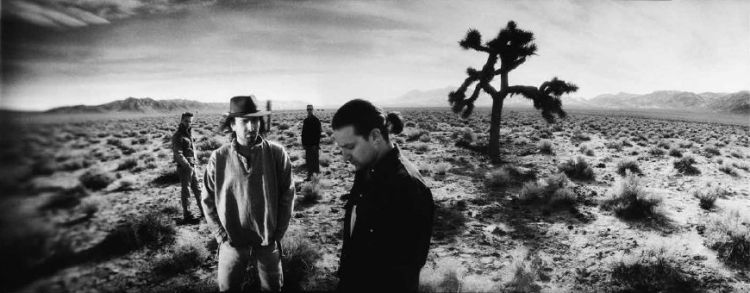
    Because The Joshua Tree isn’t just pop. It’s a landscape. It’s atmosphere. It is wide-open spaces and desert highways, rolling thunder, and quiet reckoning. It does what great music is supposed to do—it makes you feel and think, and it does both before you even realize it’s happening.

    And maybe that’s why this pop album hits harder than it has any right to.

    Something is aching in Where the Streets Have No Name. In the way, Bono sings like he’s searching for something just out of reach, something desperate in how the guitars shimmer and build.

    Then comes I Still Haven’t Found What I’m Looking For.

    Suddenly, the album no longer feels like pop.

    This is something else—something rooted in tradition, something older than the rock itself. This is gospel. The way the chords rise, and the choir sweeps in behind Bono’s voice is unmistakable. And not gospel in the sense of imitation, but gospel in spirit. This is the sound of yearning, the sound of faith wrapped in doubt, the sound of a man lifting his hands toward heaven even as his feet stay planted firmly on the ground.

    And that’s the brilliance of The Joshua Tree.

    Because it reflects the ’80s—the tension, the longing, the searching—it reflects America through outsiders’ eyes, seeing its promise and brokenness. It demonstrates the feelings people don’t always talk about—the spiritual exhaustion, the weight of time, the quiet, relentless ache of wanting more but not knowing exactly what more is.

    And that’s what makes The Joshua Tree great.

    Because it is pop, yes. But it’s also something more profound. Something truer.

    Something that reaches.

    And thank God nobody told them otherwise.

    By Kyle J. Hayes

    Please like, Comment, and subscribe
    #U2 #TheJoshuaTree #MusicAsResistance #AlbumReflection #RockHistory #EchoVerseNarratives

  • “What We Remember, We Keep-Alive”

    “What We Remember, We Keep-Alive”

    I had been working on the newest book in my Culinary Crossroads series, where Jamaal was supposed to return home—to the States and the old South.

    I thought it would be simple.

    A return to where it all began.

    A pilgrimage from the polished kitchens of Manila to the front porches, fields, and kitchens that shaped so many of us long before we ever touched a passport.

    I thought I was writing about food.

    But the deeper I dug, the more I realized that it was never just food.

    It was survival.

    It was remembrance.

    It was resistance disguised as Sunday dinner.

    I read everything I could find.

    The recipes were there, sure.

    But what kept catching me, snagging me like thorns on an old fence line, were the traditions.

    Not just what we ate but how we ate.

    Why we seasoned the way we did.

    Why were our celebrations, mourning, and rituals around food and music crafted in ways no cookbook could fully explain?

    It started long before we were “we” in any way we would recognize now—

    on the plantations,

    where bits and pieces of fading memories were passed down by those brought here, enslaved, stolen, stripped, but not erased.

    They blended what they remembered with what little they had.

    Cornmeal. Greens. Off-cuts and castoffs.

    They made necessity taste like something more than survival.

    They made it taste like home.

    And over generations, through sheer will and stubborn brilliance, we built something uniquely ours.

    Not just in the food but in the music,

    the way we buried our dead,

    the way we married our loved ones,

    and the way we danced when the sun went down and the cotton fields emptied.

    These traditions aren’t static.

    They are not museum pieces under glass.

    They are living and breathing things—regional and even tribal, depending on where your people ended up.

    That phrase kept echoing in my mind:

    “Where your people from.”

    The old folks would ask you that when they met you.

    After you named whatever city you lived in now—Detroit, Chicago, Kansas City—they’d look deeper, waiting for the real answer.

    They were talking about the South.

    Not the city, but the state.

    The county.

    The plantation.

    The place that owned your ancestors.

    It was a question about roots.

    (Writing that even now feels like swallowing glass.)

    The place that owned your ancestors.

    So many years later, and it’s still hard to say.

    Still hard to look at without flinching.

    And then came the “Great Migration,” or as some called it, “The Great Exodus.”

    We left with almost nothing.

    No land. No wealth. No easy road.

    But we took what mattered.

    We carried our recipes.

    We carried our songs.

    We carried the parts of ourselves that they could not steal, whip out of us, or erase.

    And for decades, it sustained us.

    Soul Food. Soul Music.

    Names born not in marketing rooms but in living rooms, storefront churches, and kitchens where steam and sorrow rose together.

    And now?

    Now, the word “Soul” feels almost quaint.

    Almost forgotten.

    Funny, isn’t it?

    What slavery couldn’t kill, freedom quietly erased.

    In chasing new beginnings, we risk losing the old songs.

    The taste of real cornbread.

    The sound of a mother’s hum in the kitchen.

    The wisdom tucked into the folds of a handwritten recipe card.

    As I write Jamaal’s story, I realize I’m writing my own.

    Our own.

    The story of a people who carried more than pain.

    We carried genius.

    We carried grace.

    We carried soul.

    And it’s on us—not the history books, not the tourists looking for “authenticity”—to remember what we made from nothing.

    And to keep making it while we still can.

    Before the last song fades.

    Before the last plate is cleared.

    Before the last story goes untold.

    By Kyle Hayes

    Please Like, comment, and subscribe.

    #BlackVoices #MemoryAndLegacy #WeAreOurAncestorsDreams #StorytellingMatters

  • What’s Going On: The Sound of a Man, a Moment, and a Movement

    What’s Going On: The Sound of a Man, a Moment, and a Movement

    Some albums are flawless—technically perfect—masterpieces of production, arrangement, and execution. And yet, something is missing—some intangible element that separates great from transcendent.

    I don’t know what that something is.

    But What’s Going On has it.

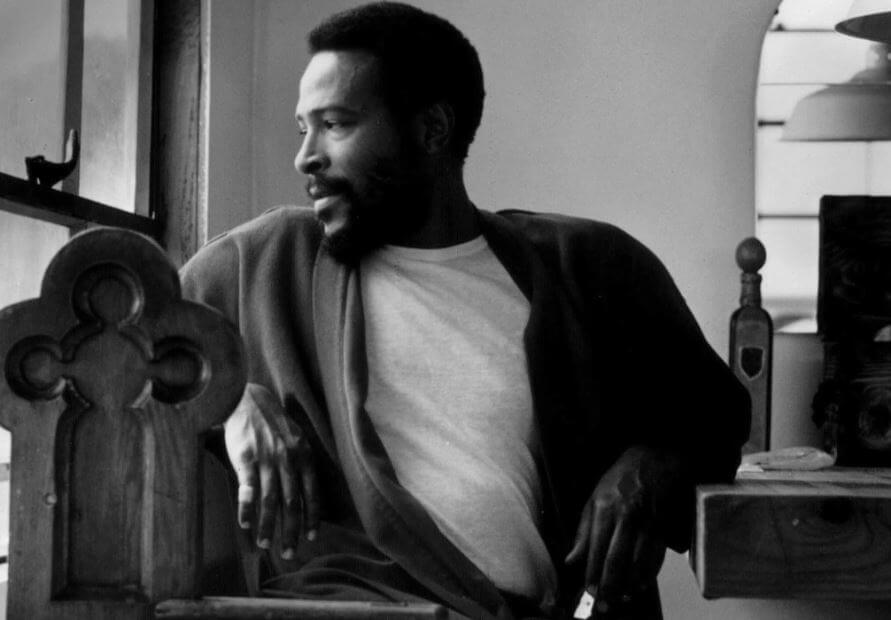
    It’s there in the first few seconds before Marvin Gaye even starts to sing. A murmur of voices, street-corner conversation fading in and out, a saxophone moaning in the distance. It doesn’t feel like the start of an album—it feels like stepping into something already in motion. Something real. Something urgent.

    Because Marvin wasn’t just making music anymore.

    His marriage was unraveling. The woman he built duets with, Tammi Terrell, was gone—taken by a brain tumor at 24, her voice silenced before it had the chance to live its full measure. His brother had come home from Vietnam, but Marvin had already been there in spirit—receiving letter after letter, each painting a picture more brutal than the last. He saw America burning in protest, drowning in war, divided by race, suffocated by injustice, and the weight of it all pressed down on him.

    And so, he did what only the great ones do. He put it all into the music.

    This album is not just a collection of songs. It is a prayer, a lament, and a call to action. It refines the messages of the ’60s—love, peace, resistance, revolution—into something pure and undeniable.

    A Different Kind of Protest

    Other protest music of the time was raw, defiant, and urgent. It called for fists in the air and battle lines to be drawn. But Marvin took another path.

    What’s Going On does not shout—it weeps. It does not rage—it pleads. It does not accuse—it begs America to look itself in the mirror and reckon with what it sees.

    “Mother, mother / There’s too many of you crying.”

    “Brother, brother, brother / There’s far too many of you dying.”

    These are not slogans. These are not rallying cries. These are wounds, laid bare over melodies so lush, so deeply felt, that you almost forget you are being confronted.

    A Vision That Was Almost Lost

    And what makes this album even more remarkable is that it rarely existed.

    Motown didn’t want this. Berry Gordy thought it was too political, too risky, too different. But Marvin fought for it. He refused to back down and kept singing about love and romance while the world fell apart. He believed in this music so much that he was willing to walk away from everything if it meant it would never be heard.

    And thank God he fought.

    Because this album still matters.

    The war may have changed, but the battlefield remains. The poverty, the racism, the injustice, the disregard for human life—it’s all still here. And Marvin’s voice, decades later, still asks the same question:

    What’s going on?

    This is what separates technically perfect albums from the ones that live forever.

    What’s Going On is not just music.

    It is soul.

    It is history.

    It is Marvin Gaye—raw, vulnerable, broken, and unfiltered—pouring himself into something bigger than sound, bigger than sales, bigger than time itself.

    It is, simply put, greatness.

    By Kyle Hayes

    Please like, comment, and subscribe.

  • Where the Real Food Lives

    Where the Real Food Lives

    There’s a quiet truth you learn if you sit down and listen long enough at a table that isn’t yours. I’m talking about food—the real kind. The kind that doesn’t come with laminated menus, mood lighting, or some Instagram-ready plate presentation designed to be photographed more than eaten. I like food the way it was meant to be cooked. Not dressed up for the American palate, not hollowed out of spice and soul, not twisted into something that feels “safe” for the suburbs. No. I want the unfiltered version. The authentic, in all its greasy, spicy, loud, proud, home-cooked glory.

    So when I get that itch—when I want Thai that actually burns, or birria that makes you sweat and sigh and say something profane under your breath—I don’t walk into a chain restaurant that’s polished its identity clean off. I ignore the neon signs, the catchy slogans, the smiling mascots. I go looking for them. The people who know it best. The ones who were raised with it, who smell a particular spice and remember their grandmother’s hands, who understand that food isn’t a product—it’s inheritance.

    So I ask. I walk up, sometimes awkward, always respectful. Where do you eat when you want the good stuff? And almost without fail, the answer is the same: my mother’s house.

    And listen—if they’re willing to take me? I go. You better believe I go. Because that house, that kitchen, that woman—she’s the final boss of flavor. Her curry will humble you. Her pho will make you question every bowl you’ve ever had. Her dumplings will taste like someone finally told the truth.

    But if that invite isn’t on the table—and it usually isn’t—I ask for the next best thing. The real-deal hole-in-the-wall. The strip-mall treasure with the chipped menu and plastic chairs, where the spice level isn’t adjusted to your comfort, where grandma is still in the back with a ladle in one hand and a cigarette in the other. That place. And when I find it, I sit down, shut up, and eat.

    But I can’t always go out. As it turns out, life is full of dishes that have nothing to do with food. So when I can’t chase it out in the wild, I chase it in my kitchen.

    And when I do, I don’t cut corners. I don’t swap the Sichuan peppercorns for black pepper because it’s easier. I don’t use pre-minced garlic from a jar or ditch the fish sauce because someone on Reddit said it smells weird. I try to cook it their way. Because it’s not mine to change. Because what right do I have to remix someone else’s survival?

    These recipes—their recipes—were forged in kitchens without much to spare. They came out of migration, colonization, desperation, and adaptation. They were stitched together over generations, passed down in pinches and palmfuls, in scents and stories. And here I come, with all my privilege, trying to “improve” it?

    Nah. That’s not what this is.

    Cooking someone else’s food the way they do is my way of showing up with my shoes off and my mouth shut. It’s reverence, not recreation. I don’t want to make it mine. I want to understand it—just a little.

    And in doing so, I find that food is maybe the last honest language we still speak. It tells you who someone is, where they’ve been, what they’ve lost, and what they’ve held onto with white-knuckled grit. You just have to listen.

    So no, I don’t want the watered-down version, the sanitized, culturally bleached, deep-fried-in-mayo, made-for-mass-appeal rendition. I want the dish that was never meant to be sold. I want the one your mom makes on a rainy Tuesday. I want truth.

    And if I’m lucky, I’ll get to sit at that table.

    But if not, I’ll light the burner, open the cookbook, and try to honor it—one clumsy chop, scorched pan, and heartfelt bite at a time.

    Because that’s how you show respect when you can’t speak the language.

    You taste it.

    And you don’t dare change the damn thing.

    By. Kyle Hayes

    Please Like, comment, and subscribe

  • Grams Not Guesses

    Grams Not Guesses

    So I wanted to cook,

    Not to become a chef. Not to impress anyone.

    I wanted to cook because I loved sweets. I loved good food.

    That pure, unsophisticated craving for something warm, buttery, something you pull out of the oven and burn your tongue on because you just couldn’t wait.

    But there’s a difference between loving food and understanding it.

    Between throwing ingredients together and crafting something worth remembering.

    Everyone wants to skip straight to the fun part. The stirring. The sizzling. The magic.

    But before you set up your mise en place, before the measuring cups hit the counter or the oven light flickers on, there’s one thing I recommend you do first:

    Learn the damn metric system.

    I know, I know.

    Growing up in America, we treated the metric system like some kind of foreign threat—a decimal-based conspiracy from the cold bureaucrats of Europe and Asia.

    Why use grams and milliliters when you could fumble through cups, tablespoons, ounces, and whatever a pint actually is?

    We were proud of our confusion.

    We turned inconsistency into tradition.

    But if you want to cook—and I mean really cook—you’ve got to let that go.

    Because the metric system isn’t about politics.

    It’s about precision.

    A gram is a gram.

    It doesn’t change depending on the weather, your mood, or how aggressively you packed that cup of flour.

    And that level of consistency is everything.

    Ever wonder why that cake turns out dry even though you swear you followed the recipe?

    Why did the sauce split, the bread collapsed, or the texture didn’t feel right?

    It’s probably because you were measuring like a cowboy.

    So here’s what you do.

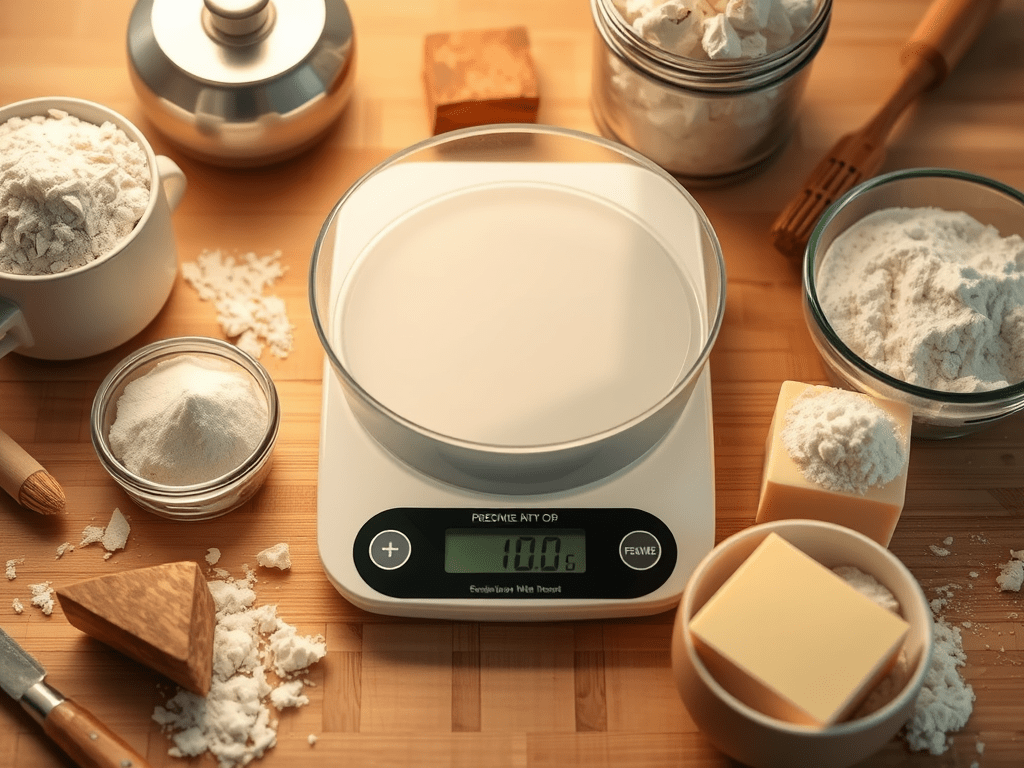
    Go out and buy a digital scale.

    Not the fancy kind. Just a solid, reliable one.

    Get yourself a digital thermometer while you’re at it.

    Knowing the internal temperature of your roast matters more than what the recipe says 45 minutes in the oven should look like.

    These two tools—simple and affordable—will change the way you cook.

    Not because they make you smarter.

    But because they force you to slow down and pay attention.

    And that’s what cooking really is.

    It’s not chaos. It’s not improvisation.

    It’s control disguised as creativity.

    The freedom to riff, to invent, to push boundaries?

    That comes later.

    First, you need discipline.

    A foundation. A system.

    And it starts with knowing how much 200 grams of flour actually feels like.

    It starts with temperature, timing, and respect for the numbers.

    So yeah, you want to make sweets?

    Great.

    Start with the scale.

    Get your metrics straight.

    Because food is a lot like life.

    It’s better when you stop guessing.

    By Kyle Hayes

    Please Like, comment, and subscribe.