Tag: music

  • Gen Alpha’s Quiet Rebellion: Crafting Culture in Minecraft and TikTok

    Gen Alpha’s Quiet Rebellion: Crafting Culture in Minecraft and TikTok

    I grew up in a different country. Not one defined by borders, but by time. Generation X. A land where the measure of freedom was how long you could disappear after breakfast and still be home before the streetlights hummed awake. The news, every evening, spoke to our parents in a stern tone: ‘Do you know where your children are?‘ But most of us were already accounted for—in the empty lots, the half-built houses, the video arcades that smelled of pizza grease and neon. We roamed, unobserved, not because we were braver, but because no one was watching.

    That was the rebellion of our youth: invisibility.

    Today, I look at Gen Alpha—children born after 2010—and I recognize something of myself in them. Their invisibility isn’t asphalt and back alleys. It’s not a bike chain snapping as you pedal home before curfew. It is coded in servers, tucked into the folds of Minecraft blocks and TikTok edits. Where we made hideouts in trees, they craft fortresses out of pixels. Where we traded tapes by hand, they build identities in bite-sized loops, on private accounts and in group chats where no parent’s shadow reaches.

    To us, their world seems incomprehensible, strange. Yet I understand. They are not merely escaping—they are building. They don’t just watch culture; they quietly become a part of it.

    What fascinates me is how subtle their rebellion is. We, Gen X, made noise: we blasted guitars, scrawled graffiti, and declared we didn’t believe in the institutions that had already betrayed us. Gen Alpha, by contrast, resists not through volume, but through withdrawal.

    They are slipping through the cracks of algorithmic surveillance. Social media promised them virality; many of them refuse it. The most important cultures of their generation are invisible to adults, uncurated by corporations. Sleepover vlogs on private accounts, Minecraft worlds no adult will ever log into, Roblox servers where their language blooms and evolves without permission.

    This is their rebellion: choosing not to be seen on the terms offered to them.

    I can’t help but ask myself what we leave them. Generation X, the so-called latchkey kids, had to invent our freedom in the absence of constant eyes. Gen Alpha, born into a world where every step is surveilled, every scroll tracked, is carving out its own absence—making shadow where there is too much light.

    What they inherit is a culture that sold rebellion as fashion, commodified outrage, and turned protest into a trend. But what they are reclaiming is the quiet, the unbought space, the ability to belong to each other without an audience.

    And perhaps that’s the most radical act of all.

    I remember what it felt like to disappear for hours, to create a world for myself that was beyond adult comprehension. When I watch Gen Alpha vanish into their servers and streams, I see the same instinct: to belong to something that cannot be neatly packaged and sold.

    And I wonder if their quiet rebellion—against virality, against surveillance, against performance—isn’t just a reflection of ours, but it’s necessary evolution.

    Because maybe the most dangerous thing you can do in a world built on watching is to refuse to be watched.

    By Kyle J. Hayes

    kylehayesblog.com

    Please like, comment, and share
  • Clean Grunge or Cultural Erasure: When Rebellion Becomes Aesthetic Again

    Clean Grunge or Cultural Erasure: When Rebellion Becomes Aesthetic Again

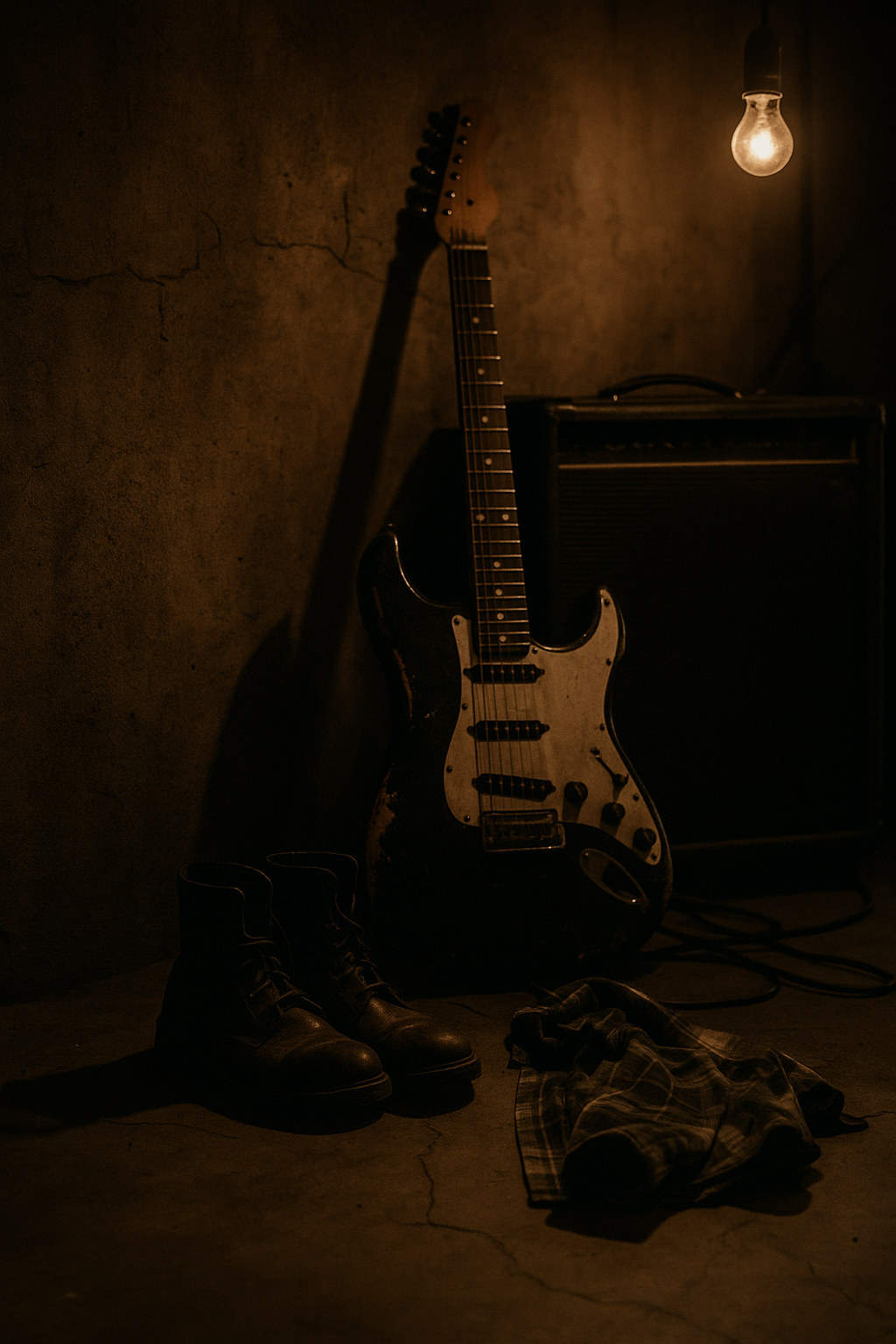
    I remember grunge before it was a word. Before magazines called it a “scene” or MTV turned it into a countdown. To me, the Seattle sound was not a fashion—it was a correction. It was music dragging itself out of the glitter-drenched studios of the late ’80s, out of the overproduced gloss and neon, and back into the garage. Grunge was a basement with the carpet moldy from too many rainy days. It was amplifiers pushed too hard, a voice breaking on purpose because that was the only honest way it could come out.

    It wasn’t pretty. It wasn’t supposed to be. That was the point.

      Grunge emerged from discontent, from economic anxiety, and a generation raised on promises that crumbled as quickly as they were spoken. Seattle in the late 1980s wasn’t yet the gleaming headquarters of tech titans; it was a working-class, rain-soaked city still reeling from industrial decline. Out of that damp heaviness came guitars tuned low and lyrics that refused to smile for the camera.

    The rebellion wasn’t only against mainstream music—it was against a culture that wanted rebellion to be marketable, predictable, and safe. Grunge didn’t arrive in designer jeans. It came in thrift store flannels, torn knees, and boots scarred from wear. It was ugly and unpolished because life was ugly and unpolished.

      Now, decades later, I scroll past TikTok and Instagram posts labeled “clean grunge.” And what I see isn’t rebellion—it’s choreography. Smoky eyes smudged with precision. Flannel jackets cut by stylists. A brand of rebellion polished and filtered until it gleams, made safe for marketing campaigns and mall shelves.

    The record companies, which once scrambled to repackage Nirvana and Pearl Jam for mass consumption, have found a new hustle: repackaging the image of rebellion itself. This time, they don’t even need the music. All they need is an aesthetic.

    And so, the movement that once told the truth about pain and survival gets reborn as an Instagram filter, stripped of its soul. The line between protest and product has never been thinner.

    This isn’t only about eyeliner and ripped jeans. It’s about what happens when culture takes a language of survival and repurposes it for profit. When pain becomes aesthetic, the memory of why that pain mattered gets erased.

    In the same way, soul food becomes “Southern cuisine” without the history of chains and resilience that gave birth to it. The same way hip-hop gets siphoned into ad jingles without the block that gave it life. Grunge wasn’t about style—it was about a generation’s refusal to look clean when life was dirty. By polishing it, you erase the very rebellion that made it matter.

      We live in an age where collapse itself is entertainment. Where burnout, breakdowns, and public unravelings get clipped and shared for profit. Grunge was one of the first loud refusals of that machine—too raw to be scripted, too messy to be safe. And yet, here we are again, with corporations teaching us how to buy “authenticity” in neatly packaged doses.

      The question isn’t whether grunge can make a comeback. The question is: Can rebellion survive once it’s been made aesthetic? Can truth survive when it’s curated for likes?

    When I think of grunge, I don’t think of smoky eyeliner or carefully ripped denim. I think of a garage where the walls shook, where voices cracked under the weight of what they carried, where kids who had nothing found a sound that meant something.

    And maybe the real rebellion now is not to buy what they’re selling us as “grunge,” but to remember what the original movement taught us: that beauty can be broken, that truth can be ugly, and that music, like life, is never meant to be clean.

    By Kyle J. Hayes

    kylehayesblog.com

    Please like, comment, and share

  • Crash Out Culture: When Burnout Becomes a Viral Identity

    Crash Out Culture: When Burnout Becomes a Viral Identity

    Through the lens of Drake, Kendrick, and the cost of a public collapse

    They say the stage is where you become larger than yourself—lights high, sound wide, the body turned into an echo. But there’s another truth about the stage in this age: it’s where collapse becomes choreography. Where we don’t just hear music; we watch the breaking. We replay it. We score it. We sync it to our scrolls until the private ache becomes a public feed.

    This past year, the spectacle had names. The feud that started as craft—the ritual of bars, the doctrine of pen—swelled into a broadcast empire. A diss mutates into a narrative machine; a machine becomes a market. We call it culture. The culture calls it clicks. And in between, an old question returns: What’s left of an artist after we’ve cheered their unraveling?

      The Drake–Kendrick tension has simmered for a decade, but 2024–25 turned sparring into all-out war for an entire season. A verse (“Like That”), a volley (“Push Ups”), an AI ventriloquism in “Taylor Made Freestyle” that drew a cease-and-desist from 2Pac’s estate—art now arguing with a ghost the machine could mimic. Then the replies: “Euphoria,” “6:16 in LA,” “Family Matters,” “Meet the Grahams,” each record stripping intimacy for evidence, rumor into ritual. Finally, “Not Like Us”—a West Coast drumline turned cultural referendum. The thing leapt from the booth into the bloodstream: Grammys, halftime headlines, a diss became mass-media liturgy and a cultural anthem. 

      “Not Like Us” didn’t just trend; it endured—long enough to set longevity marks on the Hot 100 and to frame the year’s conversation about who owned the moment and what, exactly, was on trial: craft, character, or the country’s appetite for an easy-to-consume villain. 

      The ugliest gravity of the record was never subtle: insinuations aimed to brand a man unfit, unclean—an accusation that travels faster than any rebuttal. Lamar could shade a word on live TV, and the insinuation still hangs in the stadium air. That is the arithmetic of our time: retract the lyric, keep the impression. This is how spectacle eats nuance—by design. 

      What followed wasn’t just more songs but paperwork. Drake didn’t sue Lamar; he sued the system that, in his telling, oxygenated the insinuation and sold the smoke—Universal Music Group—arguing that executives turned a diss into a defamation campaign, even tying the song’s saturation to prime-time platforms. UMG’s answer was blunt: artistry, not conspiracy; protected speech, not smear; a losing rap battle, not a legal tort. In August, Drake’s team pressed to probe the CEO’s communications; UMG called it baseless. Two stories, one machine: the way a fight lives after the music stops Worldwide

      We once said hip-hop was the news of the block. Now the block is an index, and the index is an appetite: for escalation, for surveillance, for the gospel of the gotcha. Platforms don’t merely reflect desire; they train it. The feed rewards the most combustible cut, the bar with blood in it, the frame that looks most like a mug shot of the soul. This is how a diss transcends music.

      When AI can fabricate a voice that feels like memory, when a crowd can become a jury of millions in a single refresh, when a halftime stage can sanctify the narrative arc—what chance does context have? 

      There’s a phrase I keep hearing, “Crash out”—that moment when a person, under pressure, spends all their emotional credit in one violent withdrawal. In another America, that was a family matter, a friend’s couch, a long walk at dusk. In this America, crash-out is a line item. Its distribution. It’s a KPI. To watch a man stumble in public, to meme the stumble, to buy tickets to the next stumble—this is not aberration but architecture.

    And if you think the market doesn’t know your hunger, the chart tells you otherwise. Longevity isn’t just a function of hook or drum; it’s a receipt for how long we’ll hold a person in the stocks. We look. We point. We argue about “win” and “loss” as if it were a box score instead of someone’s life. 

      The work was supposed to be the point. The verse, the pocket, the exhale when a line lands so true it rearranges your ribs. But the cost of making collapse a public utility is that the work gets orphaned. And the men in the middle—fathers, sons, colleagues, neighbors—are squeezed between the leverage of the label, the physics of the platform, and an audience trained to crave the next cut.

    I think about the broader circle: the homes doxxed, the children who didn’t volunteer for any of this, the mundane violence that arrives when art is cross-wired with rumor. Even the quiet fan is drafted into the war machine: pick a side, refresh the thread, feed the furnace.

      We can blame executives, and sometimes we should. We can blame artists, and sometimes we must. But the mirror is stubborn: we—listeners, citizens—decide whether a man’s worst day is worth more to us than his best work. The algorithm is only a rumor about our hungers; starve it, and it shrinks.

    By Kyle J. Hayes

    kylehayesblog.com

    Please like, comment, and share

  • Should We Forget, Remember, or Just Move Forward? On Grief, Ozzy Osbourne, and the Ghosts We Keep

    Should We Forget, Remember, or Just Move Forward? On Grief, Ozzy Osbourne, and the Ghosts We Keep

    Some weeks feel heavier than others. Not because the calendar says so. Not because tragedy itself is rare—death moves through every week like fog. But because sometimes loss has a shape, a face, a voice you didn’t realize had been echoing in the corners of your life until the silence arrives.

    This week, we lost two.

    One was known more for music. The other, for acting.

    Both architects of something bigger than entertainment culture.

    And one of them was Ozzy.

    Ozzy Osbourne.

    Lead singer of Black Sabbath.

    Rock god.

    Sabbath’s frontman.

    The man who growled verses that sounded like scripture torn from a post-apocalyptic Bible.

    The soft-speaking Brit whose singing voice sounded clearer than his speech.

    The one who turned chaos into chorus.

    I wasn’t a disciple. I didn’t wear the T-shirts or memorize the track lists.

    But I knew Ozzy.

    That’s the thing about culture—you don’t have to invite it in for it to sit down in your house.

    You could’ve never bought an album and still know the riffs of “Iron Man.”

    You could’ve avoided MTV and still felt the Osbournes crawling across the pop landscape.

    You didn’t have to watch the show to be caught in the blast radius of what it pioneered: celebrity confession as spectacle. The camera lens as altar.

    Ozzy was always there, somewhere between myth and meme.

    Slurred sentences, eyeliner, doves, bats, and blurred subtitles.

    A walking contradiction—strange, chaotic, fragile, funny, wild, legendary.

    And now he’s gone.

    And I find myself asking the question that grief always drags behind it:

    What do we do now?

    Do we forget?

    Do we remember?

    Or do we simply move forward?

    The Gen X in me tends to lean toward forgetting. We were built to press forward, to walk away from burning buildings and collapsing ideas.

    We buried our childhoods in cassette tapes and camcorder memories.

    We watched the world grow louder, faster, and messier, and we learned to keep moving.

    Because that’s what survival looked like.

    But forgetting has a cost.

    And sometimes that cost is ourselves.

    So I try to remember.

    Not just the famous bits—the hair, the stage presence, the controversy.

    But what did his existence mean to a culture that was always looking for an edge?

    Ozzy didn’t just perform chaos.

    He was the chaos.

    And somehow, he turned that chaos into art.

    That, to me, is the lesson.

    He didn’t tidy up his pain for mass consumption.

    He screamed it.

    He played it at maximum volume.

    He lived it—and maybe stumbled through it—but he offered it to us without polish or apology.

    And that makes me think about grief in a different way.

    The point isn’t to forget, or even to remember perfectly.

    Maybe it’s simply to hold space—however messy, however incomplete.

    We remember not because it makes us better archivists, but because remembrance is resistance to the idea that people disappear completely when they die.

    We carry them forward—not in perfection, but in pieces.

    A lyric.

    A laugh.

    A guitar riff that rides the back of your throat when the room goes too quiet.

    A moment in the car when the radio plays something old and loud and reckless and suddenly you’re sixteen again, unsure of everything but the volume.

    So what now?

    Now, we grieve.

    Now, we say Rest in Power to the legends and the lost.

    Now, we play the songs we half-remember and let them soundtrack the ache.

    And then, yes—we move forward.

    But we move forward with ghosts.

    We let them walk beside us.

    We let them interrupt the silence with memory.

    We let them whisper in the spaces where culture once gave them a stage.

    Because in the end, grief is not a detour.

    It’s not the opposite of progress.

    It’s part of the road.

    And we don’t heal by forgetting.

    We heal by carrying well.

    Rest in peace, Ozzy.

    You howled your way into the marrow of a generation.

    We heard you.

    And in our own way—we won’t forget.

    By Kyle J. Hayes

    kylehayesblog.com

    Please Like, comment, and share

  • The Notes Between the Lines:   Malcolm-Jamal Warner, Miles Long, and Never Knowing

    The Notes Between the Lines: Malcolm-Jamal Warner, Miles Long, and Never Knowing

    I found out he passed the way we find out everything now—fast, impersonal,

    And I froze.

    Not because I was surprised that death comes—it always comes. Not even because of what I remembered of him as Theo—the boyish laugh, the missteps, the way he made failing seem soft enough to try again.

    I froze because I didn’t know I would miss him.

    I knew the actor. The icon. The cultural marker that helped redefine what it meant to be young, Black, and trying to find your place in a home that wasn’t perfect, but at least pretended to be.

    But I didn’t know the man.

    Not really.

    After the shock wore off, I did what so many of us do now when we grieve—I searched. Not through photo albums or eulogies, but online.

    That led me to Apple Music.

    I typed his name.

    And that’s when I found it.

    Miles Long.

    I didn’t know what to think at first. But no—it was him. His name. His band. His voice.

    Miles Long. A play on his full name. A double entendre wrapped in legacy and intention.

    I started at the beginning: The Miles Long Mixtape. Pressed play.

    And something strange happened.

    It wasn’t like discovering a new artist. It was like recovering a part of myself I didn’t know I had lost.

    The music pulled me into the 90s, yes—but not the polished nostalgia of playlist rewinds or streaming service suggestions. This was a lived-in sound. The kind of R&B and early Neo Soul that knew about heartbreak and healing in the same breath. You could hear the weight of lessons that never made it into scripts. You could feel the poetry of someone who had been quietly documenting what wasn’t televised.

    Basslines that whispered.

    Grooves that curled like smoke around memory.

    Lyrics that didn’t beg for attention—they just stayed.

    Like grief.

    Like wisdom.

    And I couldn’t help but ask: How did I not know this?

    How did I live under the illusion that he stopped at Acting?

    What does it mean that even in my admiration, I had still reduced him?

    We talk so much about giving people their flowers, but we rarely ask if we ever truly saw the full garden they were planting—quietly, consistently, in the cracks where cameras don’t go.

    Malcolm wasn’t chasing fame. He was chasing truth.

    And the music proves it.

    He wasn’t sampling culture. He was documenting it.

    In bass. In breath. In bars of spoken word so raw they sound like prayers.

    I listen now not as a fan, but as a student.

    As someone ashamed that it took death to open the album.

    As someone mourning not just the man, but the years I could’ve been learning from him and didn’t.

    There is a unique ache in discovering the depths of a person after they’re gone.

    It feels like theft.

    Not by them, but by time.

    By distraction.

    By the illusion that we know people just because we remember who they were on our screens.

    I didn’t know him.

    But I know something now.

    I know that he created art without seeking applause.

    I know that he raised a generation onscreen and then tried to heal that same generation with poems, melodies, and grooves that felt like balm.

    I know that Miles Long was more than a name—it was a statement.

    About the journey. About pace. About the distance between how we’re seen and who we really are.

    Tonight, I’ll play the mixtape again.

    Not because I’m trying to hold onto something, but because I finally showed up.

    And it is the most devastating beauty—to arrive late and still be welcomed by the work.

    I don’t know how to explain this grief.

    It’s not celebrity worship. It’s not nostalgia.

    It’s the sorrow of realizing you almost missed someone you should’ve known intimately.

    It’s the ache of belated recognition.

    It’s love, delayed—but no less real.

    Rest well, Malcolm.

    By Kyle J. Hayes

    kylehayesblog.com

    Please Like, comment, and share

  • U2’s The Joshua Tree: When Pop Music Reached for Something Higher

    U2’s The Joshua Tree: When Pop Music Reached for Something Higher

    It’s not supposed to feel this deep. It’s pop. It’s not supposed to carry this much weight, not supposed to stir this much longing. Pop is supposed to be light. Easy. Disposable. Something you hum along to in the car, something that moves through you without leaving a mark.

    No one told U2 that.

    Or maybe they knew, and they simply refused to obey the rules.

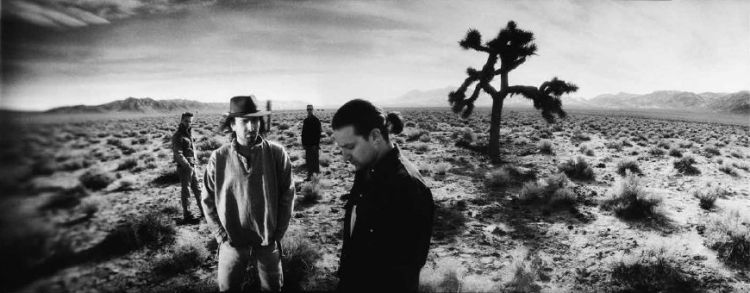
    Because The Joshua Tree isn’t just pop. It’s a landscape. It’s atmosphere. It is wide-open spaces and desert highways, rolling thunder, and quiet reckoning. It does what great music is supposed to do—it makes you feel and think, and it does both before you even realize it’s happening.

    And maybe that’s why this pop album hits harder than it has any right to.

    Something is aching in Where the Streets Have No Name. In the way, Bono sings like he’s searching for something just out of reach, something desperate in how the guitars shimmer and build.

    Then comes I Still Haven’t Found What I’m Looking For.

    Suddenly, the album no longer feels like pop.

    This is something else—something rooted in tradition, something older than the rock itself. This is gospel. The way the chords rise, and the choir sweeps in behind Bono’s voice is unmistakable. And not gospel in the sense of imitation, but gospel in spirit. This is the sound of yearning, the sound of faith wrapped in doubt, the sound of a man lifting his hands toward heaven even as his feet stay planted firmly on the ground.

    And that’s the brilliance of The Joshua Tree.

    Because it reflects the ’80s—the tension, the longing, the searching—it reflects America through outsiders’ eyes, seeing its promise and brokenness. It demonstrates the feelings people don’t always talk about—the spiritual exhaustion, the weight of time, the quiet, relentless ache of wanting more but not knowing exactly what more is.

    And that’s what makes The Joshua Tree great.

    Because it is pop, yes. But it’s also something more profound. Something truer.

    Something that reaches.

    And thank God nobody told them otherwise.

    By Kyle J. Hayes

    Please like, Comment, and subscribe

    #U2 #TheJoshuaTree #MusicAsResistance #AlbumReflection #RockHistory #EchoVerseNarratives

  • What’s Going On: The Sound of a Man, a Moment, and a Movement

    What’s Going On: The Sound of a Man, a Moment, and a Movement

    Some albums are flawless—technically perfect—masterpieces of production, arrangement, and execution. And yet, something is missing—some intangible element that separates great from transcendent.

    I don’t know what that something is.

    But What’s Going On has it.

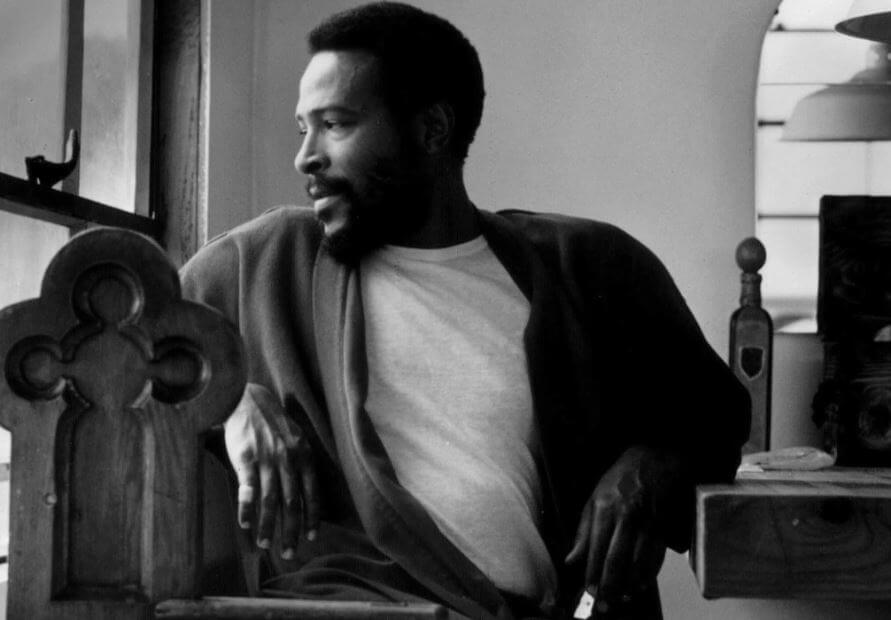
    It’s there in the first few seconds before Marvin Gaye even starts to sing. A murmur of voices, street-corner conversation fading in and out, a saxophone moaning in the distance. It doesn’t feel like the start of an album—it feels like stepping into something already in motion. Something real. Something urgent.

    Because Marvin wasn’t just making music anymore.

    His marriage was unraveling. The woman he built duets with, Tammi Terrell, was gone—taken by a brain tumor at 24, her voice silenced before it had the chance to live its full measure. His brother had come home from Vietnam, but Marvin had already been there in spirit—receiving letter after letter, each painting a picture more brutal than the last. He saw America burning in protest, drowning in war, divided by race, suffocated by injustice, and the weight of it all pressed down on him.

    And so, he did what only the great ones do. He put it all into the music.

    This album is not just a collection of songs. It is a prayer, a lament, and a call to action. It refines the messages of the ’60s—love, peace, resistance, revolution—into something pure and undeniable.

    A Different Kind of Protest

    Other protest music of the time was raw, defiant, and urgent. It called for fists in the air and battle lines to be drawn. But Marvin took another path.

    What’s Going On does not shout—it weeps. It does not rage—it pleads. It does not accuse—it begs America to look itself in the mirror and reckon with what it sees.

    “Mother, mother / There’s too many of you crying.”

    “Brother, brother, brother / There’s far too many of you dying.”

    These are not slogans. These are not rallying cries. These are wounds, laid bare over melodies so lush, so deeply felt, that you almost forget you are being confronted.

    A Vision That Was Almost Lost

    And what makes this album even more remarkable is that it rarely existed.

    Motown didn’t want this. Berry Gordy thought it was too political, too risky, too different. But Marvin fought for it. He refused to back down and kept singing about love and romance while the world fell apart. He believed in this music so much that he was willing to walk away from everything if it meant it would never be heard.

    And thank God he fought.

    Because this album still matters.

    The war may have changed, but the battlefield remains. The poverty, the racism, the injustice, the disregard for human life—it’s all still here. And Marvin’s voice, decades later, still asks the same question:

    What’s going on?

    This is what separates technically perfect albums from the ones that live forever.

    What’s Going On is not just music.

    It is soul.

    It is history.

    It is Marvin Gaye—raw, vulnerable, broken, and unfiltered—pouring himself into something bigger than sound, bigger than sales, bigger than time itself.

    It is, simply put, greatness.

    By Kyle Hayes

    Please like, comment, and subscribe.

  • Memory Is a Beautiful Lie: On Prince, the Midwest, and 1999

    Memory Is a Beautiful Lie: On Prince, the Midwest, and 1999

    Being from the Midwest, Prince holds a special kind of weight.

    It’s not just admiration. It’s proximity.

    Growing up in the Quad Cities, we weren’t Minneapolis, but we were close enough to feel like distant relatives of the revolution. Close enough to claim some of the Minneapolis Sound as our own.

    He was our alien. Our genius. Our mirrorball Messiah who somehow made it okay to be soft and sharp, Black and weird, holy and filthy—all in the same breath.

    And, he came here.

     Prince and The Time came to Palmer Auditorium in Davenport, Iowa—not an arena, not a sold-out stadium tour stop, but a modest venue tucked into the quiet edges of the Midwest.

    And still, it felt monumental.

    It didn’t matter that we weren’t in Minneapolis.

    That moment burned itself into the DNA of our town—our little corner of Iowa suddenly touched by something electric, something eternal.

    Prince, in all his velvet and voltage, bringing The Time with him—funk royalty stepping onto our humble stage. That moment?

    It burned itself into the DNA of our town, our little corner of nowhere suddenly touched by something eternal.

    But for most people, Prince begins and ends with Purple Rain.

    The movie. The myth. The leather and lace. The lake.

    And don’t get me wrong—Purple Rain is iconic.

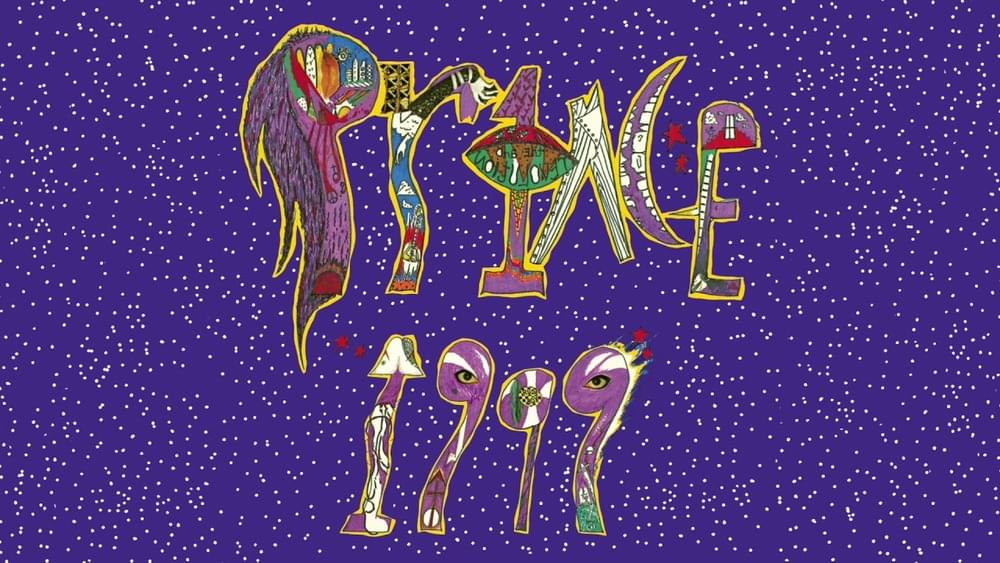
    But for me, the album that carved itself into my ribs, which made me feel like I belonged to something larger than cornfields and strip malls, was 1999.

    So when I saw 1999 on the list—the so-called 100 Greatest Albums—I felt something like pride.

    That little inward nod.

    Of course, it’s on there.

    But then I listened again.

    And it’s strange how time plays tricks on us.

    I remember it being better.

    I remember it feeling bigger.

    I found myself hurting as the songs played—not because the album was bad, but because it wasn’t what I remembered.

    The synths sounded thinner.

    The hooks felt looped too long.

    And my heart, God help me, broke a little.

    Because this album was supposed to be immaculate.

    It was the soundtrack of preteen confusion, teenage discovery, and those first awkward dances at basement parties and school gyms.

    It was rebellion wrapped in lace, poetry bathed in funk.

    And now?

    Now, it felt like a memory I didn’t ask to revisit.

    But then International Lover came on.

    And there it was.

    That swagger wrapped in silk, that ridiculous, beautiful blend of seduction and performance.

    No one else could have done that song and made you believe every absurd, brilliant line.

    It holds even now—after all these years, after all the losses and gains, after all the changes in the man, the music, and the world.

    It reminded me that 1999 was never supposed to be perfect.

    It was meant to be raw. Daring. Loud. Unapologetic.

    Prince didn’t just make music.

    He made permission.

    Permission to feel too much, love too loudly and blur the lines between sacred and profane.

    So maybe the heartbreak I felt listening to again wasn’t about the album.

    Maybe it was about me.

    About who I was when I first heard it.

    About the places I can’t return to, the people who are no longer here, the dreams that bent but didn’t break.

    Because that’s what 1999 is now—

    It is not just a record but a memorial to a sound.

    To a moment.

    To a boy from the Midwest who believed that a god lived just a few hours north of him in a purple house filled with mirrors and drum machines.

    That may be why it still deserves to be on the list.

    Not because every song holds up.

    But because the feeling does.

    Memory is a beautiful lie.

    But sometimes, the music brings it close enough to touch.

    By Kyle Hayes

    Please Like, Comment, and subscribe

  • The Sound of Something True: On Bob Marley’s Legend

    The Sound of Something True: On Bob Marley’s Legend

    By Kyle J. Hayes

    Since I began this journey through the Greatest Albums of All Time, I’ve never been more excited to write about an album.

    And that sentence feels too small for what I’m about to say.

    Because this—Bob Marley’s Legend—is not just an album.

    It’s a threshold.

    A bridge. A sanctuary.

    A memory you carry in your chest, even when the music isn’t playing.

    I bought it first on cassette.

    Played it until the tape hissed like it was exhaling its last breath.

    Then again on CD, when silver discs felt like the future.

    Later, I spent days—actual days—downloading it piece by piece on Napster, watching the little green bars inch forward like they held salvation.

    Now, I pay for Apple Music just to keep it close.

    Someday, I’ll buy it on vinyl, not just to play it but to frame it and hang it on my wall like a photograph of someone I once loved and never stopped missing.

    I don’t even know where to begin.

    Every song is a sermon.

    Every note feels like it was written for the version of me that still believes music can heal.

    There’s joy in his voice. Resistance.

    Love.

    Rage.

    Truth.

    No Woman, No Cry plays, and I’m no longer in my living room—I’m somewhere deeper, surrounded by people I’ve never met, singing along like we’ve known each other all our lives.

    Redemption Song still feels like a prayer whispered through clenched teeth.

    A man singing not just of freedom but of what it costs to carry hope in a world that demands you bury it.

    I try to sing along.

    And each time, I feel the pain in my throat, in my lungs.

    Not because I’m straining for pitch,

    but because I’m not him.

    Because what he gave us can’t be imitated.

    Only honored.

    Legend is a compilation, sure.

    But it doesn’t feel like one.

    It feels like a conversation.

    A reckoning.

    A quiet reminder that revolution doesn’t always sound like a gunshot—sometimes, it sounds like a man strumming a guitar, smiling through sorrow, telling you that everything’s gonna be all right, even when the world tells you otherwise.

    And that’s what makes this album eternal.

    It doesn’t just live in the past.

    It meets you where you are.

    Wherever that is—joy, heartbreak, exile, return.

    You don’t just listen to Legend.

    You walk with it.

    You let it hold your hand when there’s no one else to reach for.

    So yes, it deserves to be on this list.

    At the very top, if we’re being honest.

    And when I finally hang that vinyl on the wall, it won’t just be decoration.

    It will be an altar.

    To the man.

    To the message.

    To the music that keeps playing long after the last note fades.

    And if you’ve ever needed to feel seen,

    to feel lifted,

    to feel human—

    Bob Marley left a legend just for you.

    Please Comment, Like, and subscribe

  • The Ghost of a Drum : On Phil Collins, No Jacket Required, and the Memory of a Missed Song

    The Ghost of a Drum : On Phil Collins, No Jacket Required, and the Memory of a Missed Song

    By Kyle J. Hayes

    There was a flash of excitement.

    That kind of flicker that only comes from nostalgia when it meets recognition.

    I saw No Jacket Required on the list, and my brain did what it always does—it leapt ahead of the facts, filled in the blanks with its own beautiful lies, and whispered, “In the Air Tonight.”

    I could hear it already.

    That low, ominous build.

    The silence before the storm.

    And then—boom-boom boom-boom-boom-boom—the greatest drum fill in the history of emotionally dramatic air drumming.

    I’ve practiced that break. In the car. In the kitchen. At red lights. On the armrest of every couch I’ve ever owned.

    It’s not just sound—it’s release. It’s anger, sadness, power, cool.

    A universal moment of musical catharsis played out in invisible air with invisible sticks.

    And then I looked again.

    And there it wasn’t.

    “In the Air Tonight” is not on No Jacket Required.

    And in that realization, a small part of me sank.

    Not because the album isn’t good—it is.

    It’s damn good.

    But because I’d already emotionally committed to that song, to that moment.

    And now I was sitting with something else entirely.

    But still, we have No Jacket Required.

    And yes, it deserves to be here.

    Because Phil Collins didn’t just make hits—he defined the sound of a decade.

    His fingerprints are all over the ’80s.

    Not just through his work but also through production credits, collaborations, and echoes of his sound showing up in places you didn’t expect but somehow always recognized.

    He made the drums more than a backdrop—they became a presence.

    Gated reverb. That big, cavernous, otherworldly crash that sounded like it was coming from a thousand miles away and yet landed directly in your chest.

    He turned rhythm into drama. Made percussion the story.

    And maybe that’s why I remember the music videos so vividly.

    The lighting. The close-ups. The moments he’d stare directly into the camera with that look—detached but deeply aware, like he knew exactly what he was doing to you.

    Was it MTV? VH1?

    Of course.

    Collins thrived in the era of the visual.

    He knew how to use the medium—not just to sell records but to create myth.

    To make you feel like the man behind the drum kit was carrying a secret.

    And sometimes, when the light hit just right, it felt like he might tell you.

    There are many great Phil Collins albums, and this is undoubtedly one of them.

    No Jacket Required is a snapshot of a man who had perfected his sound and leaned into pop stardom without losing that strange, moody undercurrent that always lingered beneath the surface.

    And even if In the Air Tonight isn’t here,

    he is.

    And maybe—just maybe—another one of his albums will show up on the list.

    The fill may be waiting for me there.

    And when it comes, I’ll be ready.

    Air sticks in hand and Muscle memory intact.

    Please Like, comment, and Share