My birthday is tomorrow.
I don’t dread it, but I don’t celebrate it either—not in the way most people do, not in the way I’ve learned people expect.
That probably says something about me.
I imagine it always has.
I didn’t grow up with the kind of birthdays that get remembered in photo albums.
There were no decorated cakes, no noisy gatherings, no traditions that wrapped the day in joy.
What I remember is silence.
Birthdays went like any other day—quiet, functional, uncelebrated.
Maybe someone said something in passing.
Maybe not.
It wasn’t cruel. Just… normal.
We weren’t a family that hugged often.
We weren’t loud with our affection.
And because of that, I grew up with the kind of relationship to my birthday that you might have to a train passing in the distance: you hear it, you recognize it, but you don’t stop to wave.
It wasn’t until I got married that birthdays began to take shape.
My ex-wife refused to let the day go unnoticed.
She planned parties like she was fighting for my soul.
Decorations, dinners, full schedules.
And no matter how uncomfortable it made me feel, she insisted.
She believed birthdays should be celebrated with loud joy and wide arms, and she took it personally if mine wasn’t.
To her, celebrating me was an act of love.
It was like learning a new language I hadn’t asked to speak.
And even after we separated, that kind of love followed me.
I’m single again, but I’ve somehow surrounded myself with people who continue that mission.
My coworkers—kind, relentless, hilarious—have made it their business to celebrate me whether I like it or not.
They’ve done everything from surprise cupcakes to group lunches to awkwardly sincere birthday cards taped to my monitor.
They’ve forced hugs, knowing I didn’t grow up with them.
They’ve insisted on gifts, even after I said I didn’t want anything.
And still, I smile.
I say thank you.
I stand there, arms stiff, trying to remember that this is what care looks like.
And yet, for all my stoicism, I do make one request.
Every year, since I’ve known them, without fail:
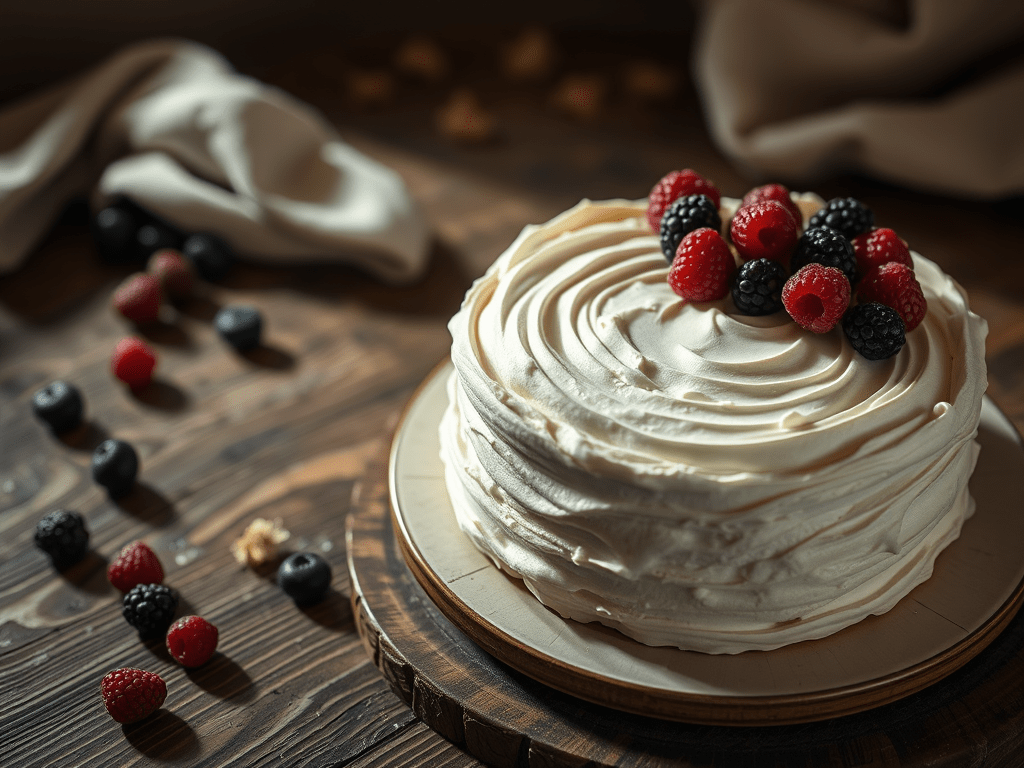
Chantilly cake.
That’s the line I allow myself to cross.
The one indulgence I name without shame.
A soft, sweet wedge of joy—light, delicate, touched by berries and memory.
Not because I need it.
But because I love it.
They know that.
They remember.
And every year, without asking, they make sure I get it.
I still say I don’t need anything when people ask what I want.
It’s not deflection. It’s conditioning.
When you’ve learned to expect little, asking for nothing becomes your native tongue.
They always push back:
“It’s not about what you need.”
And I nod. I thank them. I accept their kindness as I’ve learned to accept compliments: carefully, quietly.
Because I still don’t know how to explain that the desire to give is a gift enough.
That is just the act of remembering, planning, and wanting me to feel loved—that’s the part that undoes me.
What I’ve learned is this:
The gift isn’t the gift.
The gift is that they care enough not to listen to my resistance.
The gift is the cake, they must be tired of eating every year,
the smile behind the joke I didn’t know I needed,
the group hug I’m still learning to stand in.
Because deep down, there’s a part of me still believes I should be content with nothing.
And these people—my coworkers and my friends—refuse to let me get away with that lie.
So yes, I’ll smile.
I’ll eat the cake.
I’ll accept the hugs, even if I stiffen slightly.
And I’ll be grateful.
Because there’s a quiet joy in being cared for on your own terms—and a deeper, more humbling joy in being cared for beyond them.
That could be what a birthday really is.
Not a celebration of age, or survival, or candles.
But a small, yearly protest by the people around you:
“You matter. Even when you pretend not to.”
And maybe—just maybe-I ‘m learning to believe them.
By Kyle J. Hayes
Please like, comment, and subscribe.
 Salt,Ink, & Soul