Tag: reviews

  • “Gas, Grit, and Grease: The Rise of Breakfast Pizza”

    “Gas, Grit, and Grease: The Rise of Breakfast Pizza”

      Some revolutions don’t come with fanfare. They come with sausage and scrambled eggs baked onto dough, passed across a counter next to a stack of lottery tickets and a bottle of windshield washer fluid.

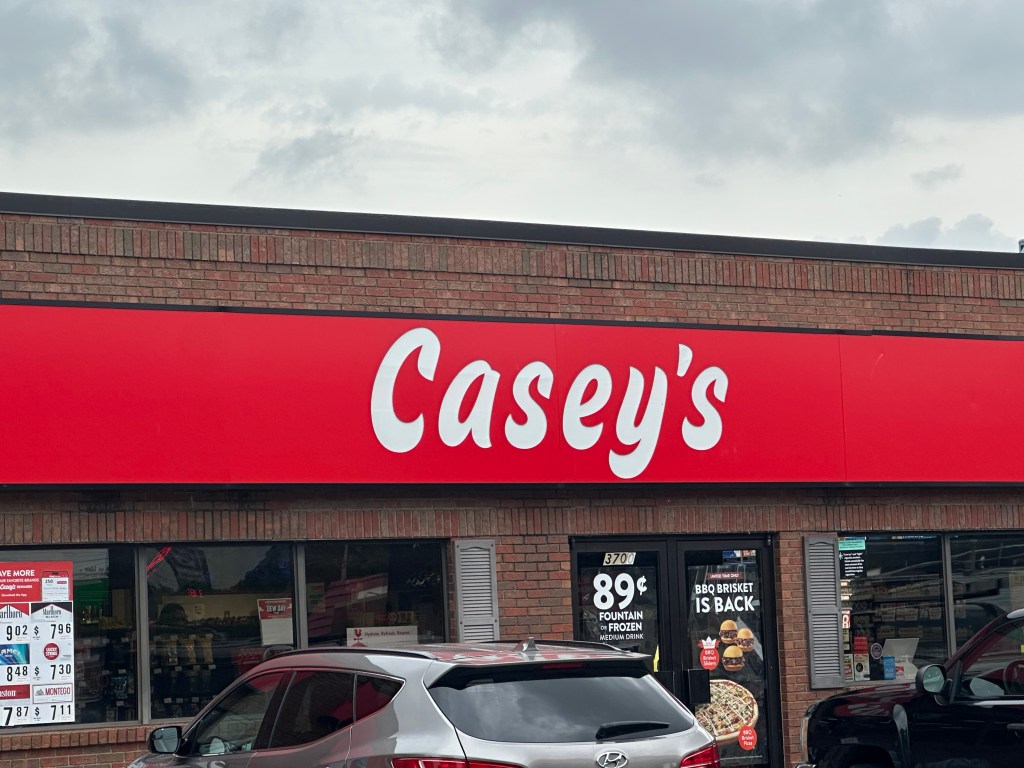
    Somewhere between Des Moines and nowhere, in a town stitched together by grain silos and family plots, Casey’s joined the great pizza debate. No press release. No rebranding campaign. Just a warm box, steam slipping out the corner, handed to you by someone who probably went to school with your cousin.

    It’s gas station pizza.

    But it’s also breakfast.

    And—maybe more surprising—it’s good.

    Really good.

    Casey’s didn’t ask for the spotlight. But in the vacuum left by Happy Joe’s—the once-beloved Midwest institution now hollowed out by corporate ownership—someone had to carry the flag. And who better than the corner store where people already stopped each morning? For gas. For coffee. For smokes. For a moment of stillness before the engine of the day kicks in.

    Add breakfast pizza to that mix, and you’re no longer just fueling your car. You’re feeding something more—something rooted in routine, in comfort, in community.

    This isn’t fast food. It’s small-town sustenance.

    The crust is soft but holds its weight. The cheese stretches like it’s proud of itself. The eggs—fluffy in a way that shouldn’t be possible from a gas station oven—mingle with sausage, bacon, and a whisper of gravy or ranch, depending on your luck or your location. And there’s something about eating it hot in your car, with the windows cracked, that makes it feel like a secret you didn’t know you needed.

    It’s not trying to be New York thin or Chicago deep. It’s not partisan. It’s not aspirational.

    It’s accessible. And in places long forgotten by the chains and the trendsetters, that matters.

    In these parts, you learn not to turn your nose up at a place just because it sells motor oil next to chicken wings. I’ve had some of the best-fried chicken of my life at a gas station where, for a while, they sold more legs and thighs than unleaded gasoline. The fryer was old, the breading was loud, and the line wrapped around the soda machine.

    The food wasn’t about food. It was about necessity turned into art, about making it work with what you’ve. That’s the ethic here. That’s what breakfast pizza at Casey’s represents—not just a meal, but a moment.

    And maybe that’s what makes it stick.

    Because when the big brands pack up and leave—when the last neon signs flicker out, and the downtown diner turns into a boarded-up memory—it’s places like Casey’s that stay. The ones that evolve without losing their soul. They understand people need something hot in the morning, something easy, something satisfying. Something theirs.

    So, yeah. Put Casey’s in the pizza conversation.

    Not because they outdid Brooklyn or outbaked Naples.

    But because they showed up for the Midwest.

    And sometimes, showing up is everything.

    By Kyle Hayes

    Please Like, Comment, and subscribe

  • Bread and Memory: A Loaf, A Legacy

    Bread and Memory: A Loaf, A Legacy

    By Kyle J. Hayes

    Some smells don’t just linger—they haunt. Not in the way a ghost knocks a glass off a table, but in the way they slip beneath your skin, settle deep in your chest, and curl around your ribs like something half-remembered.

    For me, it’s bread.

    The scent of dough rising—warm, yeasty, patient—takes me back to a church that no longer smells like bread and a family that no longer lives above it. The first name I knew it by was “True Faith.” Later, it became Penson Temple Church of God in Christ, named after my great-grandfather, George Penson. It sat sturdy in Chicago, a place where Sundays were long and the sermons longer, but there was always a rhythm to it. Scripture, music, prayer… and the rising of bread.

    Upstairs, above that sanctuary, lived my grandparents. And on certain Sundays, before the Holy Ghost stirred the congregation, something else stirred first. A batch of dinner rolls, tucked under a clean towel, warming in the silence. The smell would drift down into the pews, enveloping the base of the pulpit, blending with the scent of lemon polish and the aroma of old hymnals. And somehow, in that mingling, the church felt even more sacred.

    That recipe is gone now. Nobody wrote it down. Nobody learned it.

    We lose it to time, just as we lose so many things we assume will always be there. We didn’t think to ask, or we didn’t know it mattered. And now, when I bake bread, I am not trying to recreate it exactly. I know I never will. What I am doing is chasing a feeling. Trying to knead memory into flour, water, and salt. Trying to bring back the ghost of a moment I didn’t know I needed to preserve.

    In that pursuit, I’ve learned more than I expected. About precision. About patience. About what happens when you try to rush something sacred.

    And I found this recipe—a humble, sturdy loaf. Nothing fancy. Just good sandwich bread. The kind that makes you feel like the house is full, even when it’s not.

    My Favorite Sandwich Bread Recipe:

    • 350g (1.5 cups) warm water
    • 3g (1 tsp) instant yeast
    • 530g (4 1/4 cups) bread flour
    • 12g (1 tbsp) sugar
    • 20g (1 1/2 tbsp) olive oil
    • 125g (2/3 cup) ripe poolish or sourdough starter
    • 11g (2 tsp) salt

    To Make the Poolish (Preferment):

    • 65g (about 1/2 cup) bread flour
    • 65g (about 1/4 cup) water (room temperature)
    • A pinch of Active Dry yeast
    1. In a small bowl, combine the flour, water, and yeast.
    2. Stir until the ingredients are fully incorporated into a smooth, wet dough.
    3. Cover loosely with plastic wrap or a clean towel.
    4. Let sit at room temperature for 24 hours or until bubbly and fragrant.

    Once your poolish is ready, use 125g (about 2/3 cup) of it in the recipe above.

    Instructions for the Dough:

    1. Combine all ingredients in the bowl of a stand mixer with a dough hook. Mix on low for 3 minutes until just combined.
    2. Increase to high and mix for an additional 6 minutes until smooth and elastic. (To mix by hand, knead vigorously on a floured surface.)
    3. Place the dough into a bowl, cover it, and let it rise at room temperature for 2 hours.
    4. After 30 minutes, do a strength-building fold. Cover.
    5. After another 30 minutes (1 hour into rise), repeat the fold.
    6. Let rise for the remaining hour.

    Prepare a 13″x4″x4″ Pullman loaf pan by oiling it with olive oil or butter.

    1. Turn the dough out onto a floured surface and gently de-gas it with your fingertips.
    2. Shape into loaf and place seam-side down in Pullman pan.
    3. Cover and let the dough rise for 1 hour or until it has reached 3/4 of the height of the pan.
    4. If using the lid, slide it on before baking. If baking uncovered, lightly score the top of the cake.
    5. Bake at 425°F (218°C) for 40-45 minutes. Remove the lid after 35 minutes if the top is covered and brown.

    Cool completely before slicing.

    The bread will speak for itself. But it will also say more if you let it.

    It might remind you of a kitchen you haven’t stood in since you were eight. Of someone who made space for you in a world that didn’t. Of a church that held both gospel and gluten.

    I bake to remember. I bake to reclaim. I bake because the world is loud, but bread rises in silence.

    And sometimes, that silence smells like home.

    By Kyle J. Hayes

    Please like, comment, and subscribe

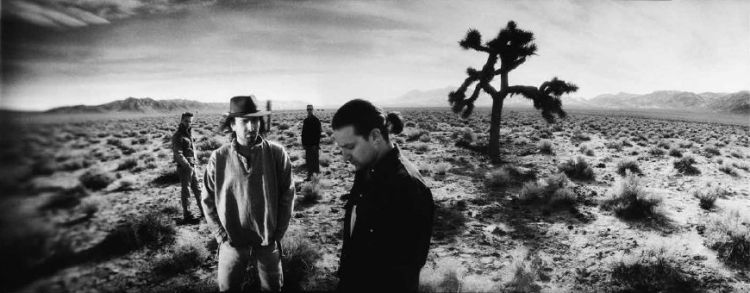
  • U2’s The Joshua Tree: When Pop Music Reached for Something Higher

    U2’s The Joshua Tree: When Pop Music Reached for Something Higher

    It’s not supposed to feel this deep. It’s pop. It’s not supposed to carry this much weight, not supposed to stir this much longing. Pop is supposed to be light. Easy. Disposable. Something you hum along to in the car, something that moves through you without leaving a mark.

    No one told U2 that.

    Or maybe they knew, and they simply refused to obey the rules.

    Because The Joshua Tree isn’t just pop. It’s a landscape. It’s atmosphere. It is wide-open spaces and desert highways, rolling thunder, and quiet reckoning. It does what great music is supposed to do—it makes you feel and think, and it does both before you even realize it’s happening.

    And maybe that’s why this pop album hits harder than it has any right to.

    Something is aching in Where the Streets Have No Name. In the way, Bono sings like he’s searching for something just out of reach, something desperate in how the guitars shimmer and build.

    Then comes I Still Haven’t Found What I’m Looking For.

    Suddenly, the album no longer feels like pop.

    This is something else—something rooted in tradition, something older than the rock itself. This is gospel. The way the chords rise, and the choir sweeps in behind Bono’s voice is unmistakable. And not gospel in the sense of imitation, but gospel in spirit. This is the sound of yearning, the sound of faith wrapped in doubt, the sound of a man lifting his hands toward heaven even as his feet stay planted firmly on the ground.

    And that’s the brilliance of The Joshua Tree.

    Because it reflects the ’80s—the tension, the longing, the searching—it reflects America through outsiders’ eyes, seeing its promise and brokenness. It demonstrates the feelings people don’t always talk about—the spiritual exhaustion, the weight of time, the quiet, relentless ache of wanting more but not knowing exactly what more is.

    And that’s what makes The Joshua Tree great.

    Because it is pop, yes. But it’s also something more profound. Something truer.

    Something that reaches.

    And thank God nobody told them otherwise.

    By Kyle J. Hayes

    Please like, Comment, and subscribe

    #U2 #TheJoshuaTree #MusicAsResistance #AlbumReflection #RockHistory #EchoVerseNarratives

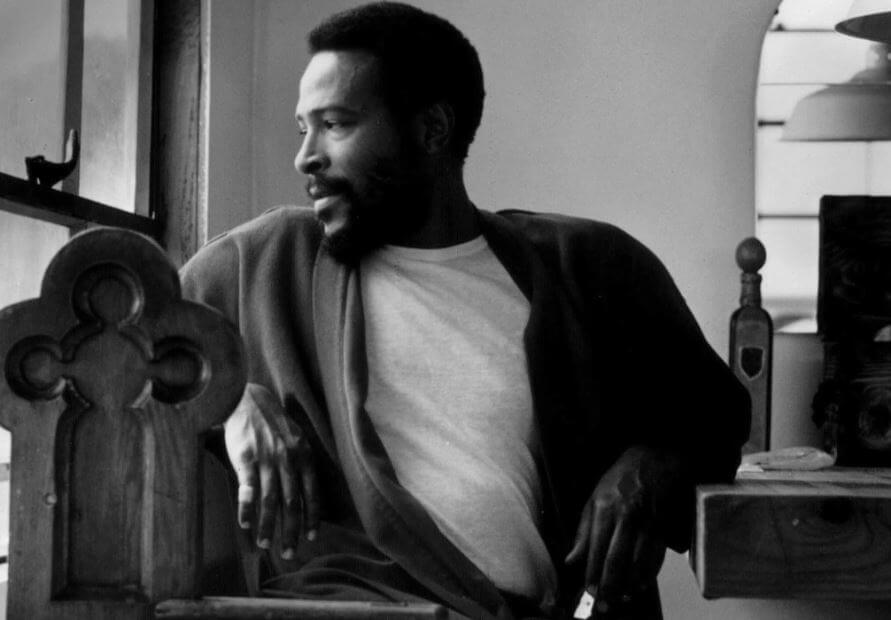
  • What’s Going On: The Sound of a Man, a Moment, and a Movement

    What’s Going On: The Sound of a Man, a Moment, and a Movement

    Some albums are flawless—technically perfect—masterpieces of production, arrangement, and execution. And yet, something is missing—some intangible element that separates great from transcendent.

    I don’t know what that something is.

    But What’s Going On has it.

    It’s there in the first few seconds before Marvin Gaye even starts to sing. A murmur of voices, street-corner conversation fading in and out, a saxophone moaning in the distance. It doesn’t feel like the start of an album—it feels like stepping into something already in motion. Something real. Something urgent.

    Because Marvin wasn’t just making music anymore.

    His marriage was unraveling. The woman he built duets with, Tammi Terrell, was gone—taken by a brain tumor at 24, her voice silenced before it had the chance to live its full measure. His brother had come home from Vietnam, but Marvin had already been there in spirit—receiving letter after letter, each painting a picture more brutal than the last. He saw America burning in protest, drowning in war, divided by race, suffocated by injustice, and the weight of it all pressed down on him.

    And so, he did what only the great ones do. He put it all into the music.

    This album is not just a collection of songs. It is a prayer, a lament, and a call to action. It refines the messages of the ’60s—love, peace, resistance, revolution—into something pure and undeniable.

    A Different Kind of Protest

    Other protest music of the time was raw, defiant, and urgent. It called for fists in the air and battle lines to be drawn. But Marvin took another path.

    What’s Going On does not shout—it weeps. It does not rage—it pleads. It does not accuse—it begs America to look itself in the mirror and reckon with what it sees.

    “Mother, mother / There’s too many of you crying.”

    “Brother, brother, brother / There’s far too many of you dying.”

    These are not slogans. These are not rallying cries. These are wounds, laid bare over melodies so lush, so deeply felt, that you almost forget you are being confronted.

    A Vision That Was Almost Lost

    And what makes this album even more remarkable is that it rarely existed.

    Motown didn’t want this. Berry Gordy thought it was too political, too risky, too different. But Marvin fought for it. He refused to back down and kept singing about love and romance while the world fell apart. He believed in this music so much that he was willing to walk away from everything if it meant it would never be heard.

    And thank God he fought.

    Because this album still matters.

    The war may have changed, but the battlefield remains. The poverty, the racism, the injustice, the disregard for human life—it’s all still here. And Marvin’s voice, decades later, still asks the same question:

    What’s going on?

    This is what separates technically perfect albums from the ones that live forever.

    What’s Going On is not just music.

    It is soul.

    It is history.

    It is Marvin Gaye—raw, vulnerable, broken, and unfiltered—pouring himself into something bigger than sound, bigger than sales, bigger than time itself.

    It is, simply put, greatness.

    By Kyle Hayes

    Please like, comment, and subscribe.

  • Where the Real Food Lives

    Where the Real Food Lives

    There’s a quiet truth you learn if you sit down and listen long enough at a table that isn’t yours. I’m talking about food—the real kind. The kind that doesn’t come with laminated menus, mood lighting, or some Instagram-ready plate presentation designed to be photographed more than eaten. I like food the way it was meant to be cooked. Not dressed up for the American palate, not hollowed out of spice and soul, not twisted into something that feels “safe” for the suburbs. No. I want the unfiltered version. The authentic, in all its greasy, spicy, loud, proud, home-cooked glory.

    So when I get that itch—when I want Thai that actually burns, or birria that makes you sweat and sigh and say something profane under your breath—I don’t walk into a chain restaurant that’s polished its identity clean off. I ignore the neon signs, the catchy slogans, the smiling mascots. I go looking for them. The people who know it best. The ones who were raised with it, who smell a particular spice and remember their grandmother’s hands, who understand that food isn’t a product—it’s inheritance.

    So I ask. I walk up, sometimes awkward, always respectful. Where do you eat when you want the good stuff? And almost without fail, the answer is the same: my mother’s house.

    And listen—if they’re willing to take me? I go. You better believe I go. Because that house, that kitchen, that woman—she’s the final boss of flavor. Her curry will humble you. Her pho will make you question every bowl you’ve ever had. Her dumplings will taste like someone finally told the truth.

    But if that invite isn’t on the table—and it usually isn’t—I ask for the next best thing. The real-deal hole-in-the-wall. The strip-mall treasure with the chipped menu and plastic chairs, where the spice level isn’t adjusted to your comfort, where grandma is still in the back with a ladle in one hand and a cigarette in the other. That place. And when I find it, I sit down, shut up, and eat.

    But I can’t always go out. As it turns out, life is full of dishes that have nothing to do with food. So when I can’t chase it out in the wild, I chase it in my kitchen.

    And when I do, I don’t cut corners. I don’t swap the Sichuan peppercorns for black pepper because it’s easier. I don’t use pre-minced garlic from a jar or ditch the fish sauce because someone on Reddit said it smells weird. I try to cook it their way. Because it’s not mine to change. Because what right do I have to remix someone else’s survival?

    These recipes—their recipes—were forged in kitchens without much to spare. They came out of migration, colonization, desperation, and adaptation. They were stitched together over generations, passed down in pinches and palmfuls, in scents and stories. And here I come, with all my privilege, trying to “improve” it?

    Nah. That’s not what this is.

    Cooking someone else’s food the way they do is my way of showing up with my shoes off and my mouth shut. It’s reverence, not recreation. I don’t want to make it mine. I want to understand it—just a little.

    And in doing so, I find that food is maybe the last honest language we still speak. It tells you who someone is, where they’ve been, what they’ve lost, and what they’ve held onto with white-knuckled grit. You just have to listen.

    So no, I don’t want the watered-down version, the sanitized, culturally bleached, deep-fried-in-mayo, made-for-mass-appeal rendition. I want the dish that was never meant to be sold. I want the one your mom makes on a rainy Tuesday. I want truth.

    And if I’m lucky, I’ll get to sit at that table.

    But if not, I’ll light the burner, open the cookbook, and try to honor it—one clumsy chop, scorched pan, and heartfelt bite at a time.

    Because that’s how you show respect when you can’t speak the language.

    You taste it.

    And you don’t dare change the damn thing.

    By. Kyle Hayes

    Please Like, comment, and subscribe

  • Grams Not Guesses

    Grams Not Guesses

    So I wanted to cook,

    Not to become a chef. Not to impress anyone.

    I wanted to cook because I loved sweets. I loved good food.

    That pure, unsophisticated craving for something warm, buttery, something you pull out of the oven and burn your tongue on because you just couldn’t wait.

    But there’s a difference between loving food and understanding it.

    Between throwing ingredients together and crafting something worth remembering.

    Everyone wants to skip straight to the fun part. The stirring. The sizzling. The magic.

    But before you set up your mise en place, before the measuring cups hit the counter or the oven light flickers on, there’s one thing I recommend you do first:

    Learn the damn metric system.

    I know, I know.

    Growing up in America, we treated the metric system like some kind of foreign threat—a decimal-based conspiracy from the cold bureaucrats of Europe and Asia.

    Why use grams and milliliters when you could fumble through cups, tablespoons, ounces, and whatever a pint actually is?

    We were proud of our confusion.

    We turned inconsistency into tradition.

    But if you want to cook—and I mean really cook—you’ve got to let that go.

    Because the metric system isn’t about politics.

    It’s about precision.

    A gram is a gram.

    It doesn’t change depending on the weather, your mood, or how aggressively you packed that cup of flour.

    And that level of consistency is everything.

    Ever wonder why that cake turns out dry even though you swear you followed the recipe?

    Why did the sauce split, the bread collapsed, or the texture didn’t feel right?

    It’s probably because you were measuring like a cowboy.

    So here’s what you do.

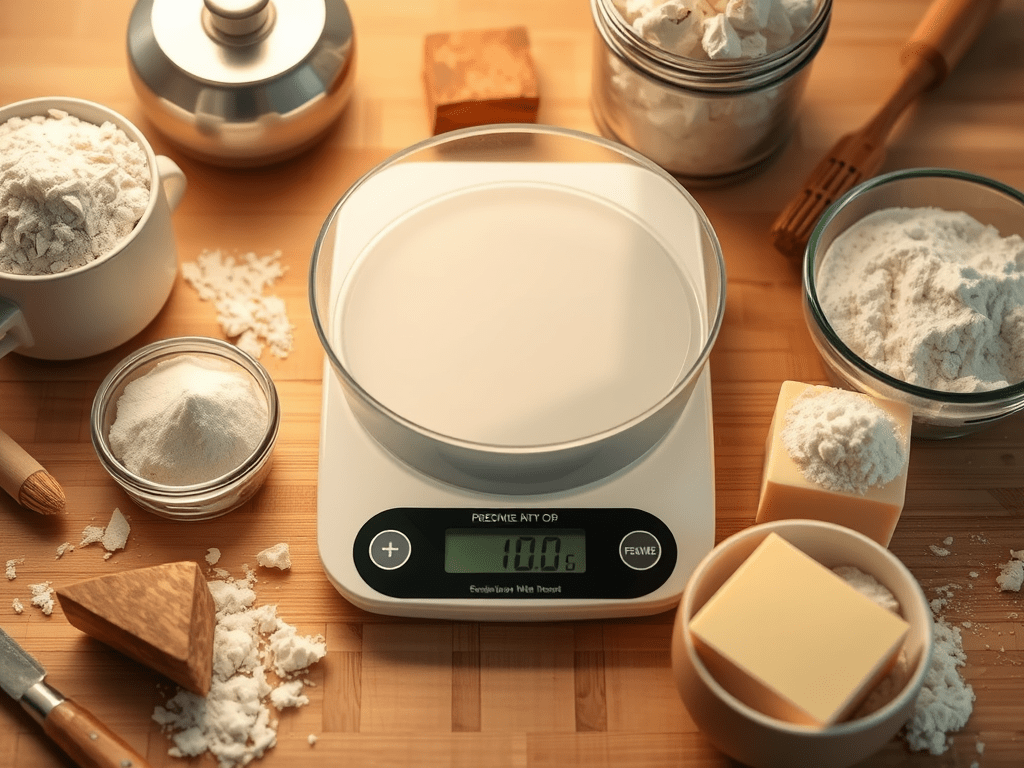
    Go out and buy a digital scale.

    Not the fancy kind. Just a solid, reliable one.

    Get yourself a digital thermometer while you’re at it.

    Knowing the internal temperature of your roast matters more than what the recipe says 45 minutes in the oven should look like.

    These two tools—simple and affordable—will change the way you cook.

    Not because they make you smarter.

    But because they force you to slow down and pay attention.

    And that’s what cooking really is.

    It’s not chaos. It’s not improvisation.

    It’s control disguised as creativity.

    The freedom to riff, to invent, to push boundaries?

    That comes later.

    First, you need discipline.

    A foundation. A system.

    And it starts with knowing how much 200 grams of flour actually feels like.

    It starts with temperature, timing, and respect for the numbers.

    So yeah, you want to make sweets?

    Great.

    Start with the scale.

    Get your metrics straight.

    Because food is a lot like life.

    It’s better when you stop guessing.

    By Kyle Hayes

    Please Like, comment, and subscribe.

  • Mise en Place and the Mess That Made Me

    Mise en Place and the Mess That Made Me

    When I first started cooking, it was chaos.

    A beautiful, clumsy, borderline dangerous kind of chaos.

    Pots clanged, drawers opened, and knives were in all the wrong places. Every piece of silverware I owned was used, and every pan was dirty. And the recipe?

    I was reading it while I cooked, squinting through steam and panic, trying to figure out the difference between “simmer” and “boil.”

    And still, somehow, the food turned out okay.

    Not great. Not refined.

    But edible.

    Which, given the circumstances, felt like a minor miracle.

    Back then, cooking was survival mixed with ambition.

    A love letter written in all caps with a grease-stained pen.

    But then I learned about mise en place.

    And everything changed.

    Mise en place: “Everything in its place.”

    A phrase you hear in culinary schools whispered like gospel across stainless steel kitchens, tattooed into the souls of anyone who’s ever worked a line.

    But it’s more than just a cooking philosophy—a way of life.

    The Breakdown

    Plan: Read the damn recipe. All of it.

    This isn’t a Choose-Your-Own-Adventure. Know what you’re about to get into.

    Get – Gather your ingredients and your gear.

    Every spoon, every pan, every awkward little measuring cup you’ll inevitably forget if you don’t do this step.

    Prepare – Chop. Measure. Peel.

    Treat each ingredient like it matters because it does.

    Sort —Use small bowls, containers, or whatever you have. Separate your garlic from your ginger, your wet from your dry.

    Place: Lay it all out around your cooking space.

    A clean space is a clear mind. Keep a towel on your shoulder—you’ll need it.

    I know people get tired of hearing this.

    They want the shortcut. The life hack. The TikTok version.

    But I’m gonna keep saying it until it sinks in.

    Because mise en place isn’t just about food.

    It’s about respect—for the process, ingredients, and yourself.

    It saves you time.

    It saves your sanity.

    And yeah, it makes your food better.

    As a nurse, I’ve always set up my cart the same way every shift.

    Same rhythm. Same layout. Same tools, same order.

    It’s not because I’m obsessive—when the heat hits and the pressure’s on, your body remembers what your mind forgets.

    It works in the kitchen, too.

    When I have a big cooking day, I prep the night before.

    I chop. I portion. I lay it all out like I’m about to do surgery.

    And when it’s time to cook, it flows.

    Not without effort—but without panic.

    It becomes a craft, not a scramble.

    So yeah, I’ll keep saying it.

    Take the time.

    Do the work.

    Respect the process.

    Because food isn’t just about flavor—it’s about intention.

    And if you can find clarity in the kitchen, the mess, the heat, and the chaos…

    You can find it everywhere else, too.

    By Kyle J. Hayes

    Please Like, Comment, and subscribe
  • When the Lord Smiles on You (And Brings Soup)

    When the Lord Smiles on You (And Brings Soup)

    I’ve lived in New Mexico for years now. Long enough to know the smell of roasting green chile means autumn and that the line between red and green isn’t just about salsa—it’s about identity. Long enough to pretend I’ve tasted it all.

    But that’s the thing about New Mexico. You never really taste it all.

    This place holds onto its secrets.

    It waits until just the right moment—until your guard is down, until your belly’s empty, and your soul is quiet—

    Then the Lord smiles on you, and someone places a bowl in your hands that changes everything.

    Last year, it was pozole.

    Not the pozole you find at a chain or off some laminated menu.

    This was the real thing.

    Pozole with history. With lineage.

    Pozole, made by my friend’s father-in-law—an old school Mexican, the kind of man who measures time by the slow dance of a simmering pot.

    His skills? Learned not from books or shows or trendy food blogs,

    but from Oaxaca, in the old country.

    Where ingredients are respected, and nothing is wasted.

    Where cooking isn’t a task—it’s an inheritance.

    This man—quiet, steady, always working—has done more than just feed people.

    He’s helped restore and preserve one of Albuquerque’s most beloved spots: El Pinto Restaurant.

    He’s a steward of flavor and tradition who reminds you that real craftsmanship never needs to shout.

    That pozole was a revelation.

    Deep, layered, soulful.

    A bowlful of memory, spice, and heat that reached places no therapy ever has.

    And then, today, the Lord smiled on me again.

    Same friend. Different bowl.

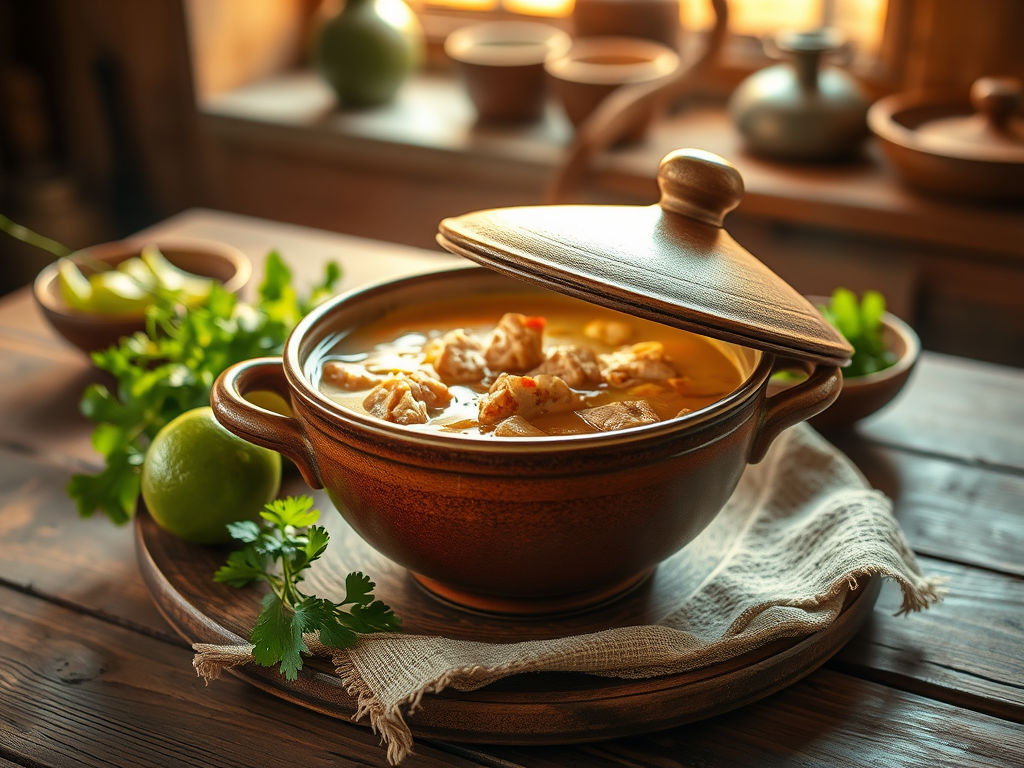
    This time, it was Chicken Caldo.

    No warning.

    No occasion.

    Just the quiet generosity of someone handing you a miracle in a paper bowl.

    Now, if you’ve never had a real caldo de pollo—not the half-hearted version simmered in a rush, but the kind that takes its time—

    let me try, poorly, to explain.

    It’s not just soup.

    It’s comfort liquified.

    Chicken is so tender it gives up.

    Vegetables that still taste like vegetables, not mush.

    And then—the lime.

    That fresh lime, squeezed just right, cuts through the warmth and lifts the flavor.

    Like a prayer whispered into something sacred.

    The taste?

    I won’t pretend I can describe it.

    All I know is that each bite felt like a home I didn’t know I missed.

    I closed my eyes and sat still, and for a few minutes, I was in heaven.

    I still haven’t tried everything New Mexico has to offer.

    Maybe I never will.

    But every now and then, I get lucky.

    And in this place, luck doesn’t come dressed in fine linen or gourmet plating.

    It comes humble, in a shared container,

    from someone who learned to cook in Oaxaca,

    someone who doesn’t care about Michelin stars,

    but who knows that feeding people—truly feeding them—is one of the last honest things we’ve got left.

    So I sit.

    I eat.

    I give thanks.

    And hope the Lord sees fit to smile on me again.

    By Kyle Hayes

  • Memory Is a Beautiful Lie: On Prince, the Midwest, and 1999

    Memory Is a Beautiful Lie: On Prince, the Midwest, and 1999

    Being from the Midwest, Prince holds a special kind of weight.

    It’s not just admiration. It’s proximity.

    Growing up in the Quad Cities, we weren’t Minneapolis, but we were close enough to feel like distant relatives of the revolution. Close enough to claim some of the Minneapolis Sound as our own.

    He was our alien. Our genius. Our mirrorball Messiah who somehow made it okay to be soft and sharp, Black and weird, holy and filthy—all in the same breath.

    And, he came here.

     Prince and The Time came to Palmer Auditorium in Davenport, Iowa—not an arena, not a sold-out stadium tour stop, but a modest venue tucked into the quiet edges of the Midwest.

    And still, it felt monumental.

    It didn’t matter that we weren’t in Minneapolis.

    That moment burned itself into the DNA of our town—our little corner of Iowa suddenly touched by something electric, something eternal.

    Prince, in all his velvet and voltage, bringing The Time with him—funk royalty stepping onto our humble stage. That moment?

    It burned itself into the DNA of our town, our little corner of nowhere suddenly touched by something eternal.

    But for most people, Prince begins and ends with Purple Rain.

    The movie. The myth. The leather and lace. The lake.

    And don’t get me wrong—Purple Rain is iconic.

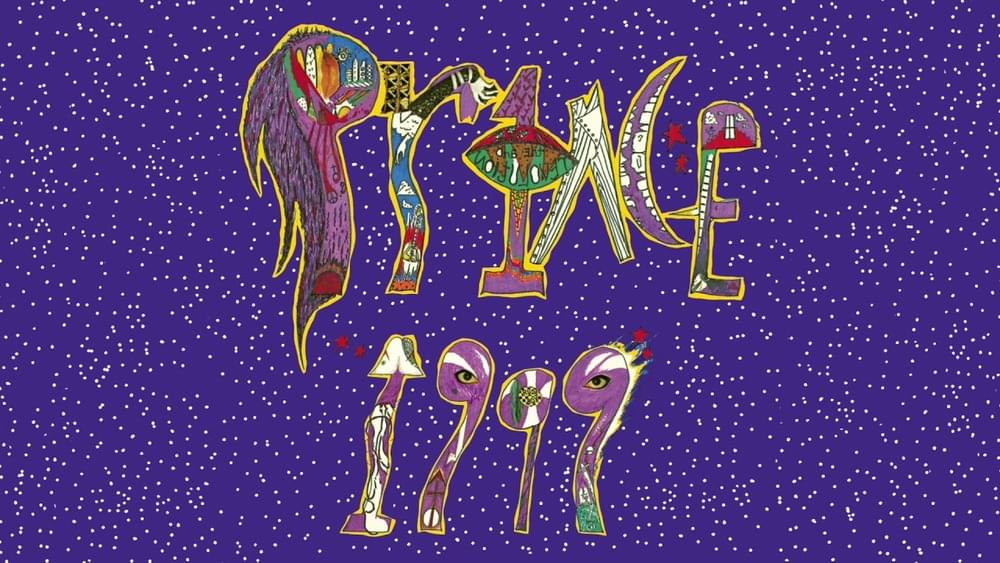
    But for me, the album that carved itself into my ribs, which made me feel like I belonged to something larger than cornfields and strip malls, was 1999.

    So when I saw 1999 on the list—the so-called 100 Greatest Albums—I felt something like pride.

    That little inward nod.

    Of course, it’s on there.

    But then I listened again.

    And it’s strange how time plays tricks on us.

    I remember it being better.

    I remember it feeling bigger.

    I found myself hurting as the songs played—not because the album was bad, but because it wasn’t what I remembered.

    The synths sounded thinner.

    The hooks felt looped too long.

    And my heart, God help me, broke a little.

    Because this album was supposed to be immaculate.

    It was the soundtrack of preteen confusion, teenage discovery, and those first awkward dances at basement parties and school gyms.

    It was rebellion wrapped in lace, poetry bathed in funk.

    And now?

    Now, it felt like a memory I didn’t ask to revisit.

    But then International Lover came on.

    And there it was.

    That swagger wrapped in silk, that ridiculous, beautiful blend of seduction and performance.

    No one else could have done that song and made you believe every absurd, brilliant line.

    It holds even now—after all these years, after all the losses and gains, after all the changes in the man, the music, and the world.

    It reminded me that 1999 was never supposed to be perfect.

    It was meant to be raw. Daring. Loud. Unapologetic.

    Prince didn’t just make music.

    He made permission.

    Permission to feel too much, love too loudly and blur the lines between sacred and profane.

    So maybe the heartbreak I felt listening to again wasn’t about the album.

    Maybe it was about me.

    About who I was when I first heard it.

    About the places I can’t return to, the people who are no longer here, the dreams that bent but didn’t break.

    Because that’s what 1999 is now—

    It is not just a record but a memorial to a sound.

    To a moment.

    To a boy from the Midwest who believed that a god lived just a few hours north of him in a purple house filled with mirrors and drum machines.

    That may be why it still deserves to be on the list.

    Not because every song holds up.

    But because the feeling does.

    Memory is a beautiful lie.

    But sometimes, the music brings it close enough to touch.

    By Kyle Hayes

    Please Like, Comment, and subscribe
  • The Sound of Something True: On Bob Marley’s Legend

    The Sound of Something True: On Bob Marley’s Legend

    By Kyle J. Hayes

    Since I began this journey through the Greatest Albums of All Time, I’ve never been more excited to write about an album.

    And that sentence feels too small for what I’m about to say.

    Because this—Bob Marley’s Legend—is not just an album.

    It’s a threshold.

    A bridge. A sanctuary.

    A memory you carry in your chest, even when the music isn’t playing.

    I bought it first on cassette.

    Played it until the tape hissed like it was exhaling its last breath.

    Then again on CD, when silver discs felt like the future.

    Later, I spent days—actual days—downloading it piece by piece on Napster, watching the little green bars inch forward like they held salvation.

    Now, I pay for Apple Music just to keep it close.

    Someday, I’ll buy it on vinyl, not just to play it but to frame it and hang it on my wall like a photograph of someone I once loved and never stopped missing.

    I don’t even know where to begin.

    Every song is a sermon.

    Every note feels like it was written for the version of me that still believes music can heal.

    There’s joy in his voice. Resistance.

    Love.

    Rage.

    Truth.

    No Woman, No Cry plays, and I’m no longer in my living room—I’m somewhere deeper, surrounded by people I’ve never met, singing along like we’ve known each other all our lives.

    Redemption Song still feels like a prayer whispered through clenched teeth.

    A man singing not just of freedom but of what it costs to carry hope in a world that demands you bury it.

    I try to sing along.

    And each time, I feel the pain in my throat, in my lungs.

    Not because I’m straining for pitch,

    but because I’m not him.

    Because what he gave us can’t be imitated.

    Only honored.

    Legend is a compilation, sure.

    But it doesn’t feel like one.

    It feels like a conversation.

    A reckoning.

    A quiet reminder that revolution doesn’t always sound like a gunshot—sometimes, it sounds like a man strumming a guitar, smiling through sorrow, telling you that everything’s gonna be all right, even when the world tells you otherwise.

    And that’s what makes this album eternal.

    It doesn’t just live in the past.

    It meets you where you are.

    Wherever that is—joy, heartbreak, exile, return.

    You don’t just listen to Legend.

    You walk with it.

    You let it hold your hand when there’s no one else to reach for.

    So yes, it deserves to be on this list.

    At the very top, if we’re being honest.

    And when I finally hang that vinyl on the wall, it won’t just be decoration.

    It will be an altar.

    To the man.

    To the message.

    To the music that keeps playing long after the last note fades.

    And if you’ve ever needed to feel seen,

    to feel lifted,

    to feel human—

    Bob Marley left a legend just for you.

    Please Comment, Like, and subscribe