Category: Felix & Emotional Resilience

  • When the Neighborhood Song Finds You Again

    When the Neighborhood Song Finds You Again

    There are nights when adulthood feels heavier than it should.

    No catastrophe.

    No crisis that would make the evening news.

    Just the quiet pressure that settles in your chest after years of carrying things you rarely speak about. Bills. Expectations. The slow arithmetic of responsibility. The strange loneliness that can exist even when you’re surrounded by people.

    People like to say, ” Just talk to someone.

    And sometimes that’s good advice.

    But the truth adults rarely admit is that it isn’t always that simple.

    Sometimes you don’t know how to explain what you’re feeling. Sometimes the words are tangled. Sometimes the weight is vague—more like weather than injury. A fog rolling in without asking permission.

    Tonight was one of those nights for me.

    The kind where the mind circles the same questions again and again. Where the quiet in the house feels louder than usual. Where you sit with yourself and realize that being an adult often means being the one expected to have answers—even when you feel like the smallest person in the room.

    So I did something simple.

    I opened YouTube.

    Not looking for wisdom. Not looking for motivation or productivity advice or someone promising to unlock the secret to success in ten easy steps.

    Just something gentle.

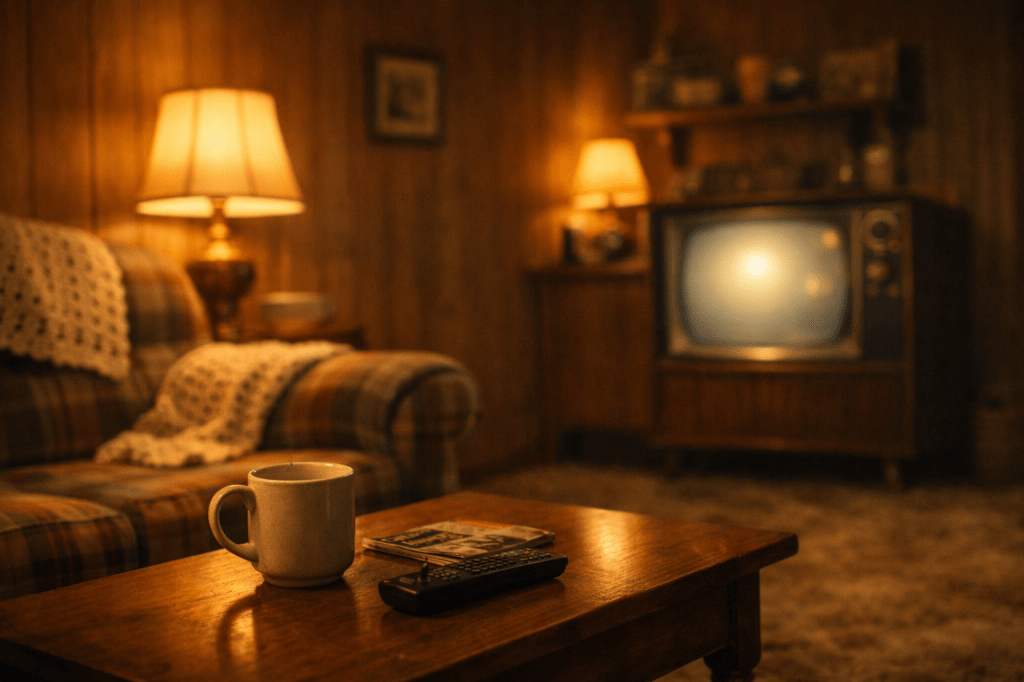
    And somehow I landed on a channel filled with old episodes of Mr. Rogers’ Neighborhood.

    The moment the music started, something happened that I didn’t expect.

    That piano.

    That calm rhythm.

    That familiar invitation into a living room that somehow always felt safe.

    “It’s a beautiful day in the neighborhood…”

    Before I knew it, I was smiling.

    Not the polite smile adults wear in public. The real kind. The one that sneaks up on you when a memory taps you on the shoulder.

    I started singing along.

    And somewhere between the first line and the moment he changed his shoes, something inside me loosened. The stress that had been sitting in my chest all evening dissolved like sugar in warm coffee.

    Just like that.

    No lecture.

    No complicated explanation.

    No grand philosophy.

    Just a man speaking calmly about learning to ride a bicycle.

    About the moment when a child moves from three wheels to two.

    About wobbling.

    About trying again.

    About how growing up sometimes means doing things that feel a little scary at first.

    And there I was.

    A grown man sitting in his living room, smiling like a kid again.

    It made me wonder about something.

    How is it that someone who passed away in 2003 can still reach through time and calm the nervous system of a stranger sitting alone decades later?

    How can a quiet voice, a soft sweater, and a steady presence still quiet the storms adulthood sometimes builds inside us?

    The answer may be simpler than we think.

    He wasn’t trying to impress anyone.

    He wasn’t trying to dominate the room or prove how intelligent he was or convince the world he had all the answers.

    He was doing something far rarer.

    He was making space.

    Space for children to feel understood.

    Space for feelings to exist without being rushed away.

    Space for gentleness in a world that often rewards noise.

    And maybe—though we rarely admit it—adults need that space just as much as children do.

    Maybe the part of us that once sat cross-legged in front of a television, listening carefully to a man who spoke slowly and kindly, never actually disappears.

    It just gets buried.

    Under bills.

    Under expectations.

    Under the quiet belief that growing up means we should already know how to carry the weight.

    But every once in a while, something reminds us.

    A song.

    A memory.

    A familiar voice from another time.

    And suddenly the armor loosens.

    You remember what it felt like to be small, curious, and hopeful about the world. You remember that kindness isn’t weakness. That patience isn’t outdated. That gentleness—real gentleness—is one of the strongest things a human being can offer another.

    Watching that episode tonight made me think of something simple.

    Maybe the world needs more people like him.

    People who slow things down rather than speed them up.

    People who speak softly instead of shouting.

    People who remind us that it’s okay to feel what we feel.

    Especially when the world gets heavy.

    I could write more about this tonight.

    About kindness.

    About childhood.

    About how strange and beautiful it is that a simple television show can still calm an adult heart decades later.

    But the truth is…

    There’s another episode waiting.

    And for a little while longer, I’d like to sit here and watch the show.

    Kyle J. Hayes

    kylehayesblog.com

    Please like, comment, and share

    Resources for Hard Times

    If you’re looking for practical help, food support, or community resources, you can visit the Salt, Ink & Soul Resources Page.
    👉 Resources for Hard Times

  • The Lessons I Wish Someone Had Taught Me Sooner

    The Lessons I Wish Someone Had Taught Me Sooner

    There’s a certain kind of teaching that doesn’t happen at a chalkboard.

    It happens later in the quiet. When you’re old enough to look back at the boy you were and realize he didn’t need tougher lessons—he needed better language for what he was already carrying. He needed someone to name the weight, not just tell him to lift it. He needed instructions that didn’t feel like shame.

    I write children’s stories, and if you look closely, there’s a lesson tucked inside each one like a warm note in a pocket. People sometimes think that’s cute. Sometimes it is. But it’s also a confession.

    Because the truth is: I’m not only writing for children.

    I’m writing for the younger version of me.

    I’m writing for the boy who kept hearing “you’ll learn the hard way” like it was a rite of passage. Like pain was a badge you earned. Like wasted time was the price of admission. Like you had to bleed to be considered real.

    And maybe that’s the oldest lie we tell boys—that the only education that counts is the kind that bruises.

    I grew up in a world that didn’t always teach feelings the way it taught survival. It taught stamina. It taught silence. It taught the art of looking fine. It taught you how to swallow your own questions whole so nobody would see you chewing.

    And then, later—when you’re old enough to know you’ve been living with a hunger you couldn’t name—you realize what you were missing wasn’t toughness.

    It was guidance.

    The kind that says: Here’s how to be human without hardening into a weapon.

    So I started writing the lessons I wish had been offered to me without the threat attached.

    Not sermons. Not lectures. Just small stories.

    A fox who checks on his friends.

    A quiet day that gives permission to rest.

    A soup that doesn’t look fancy but still warms the room.

    A cloud that doesn’t stay forever but leaves growth behind.

    These aren’t just plots.

    They’re repairs.

    They’re me trying to do something with what I’ve learned, instead of letting it sit inside me as regret.

    Because I’ve learned the hard way. I’ve paid for the information for years. With missteps. With stubborn pride. With the kind of loneliness that doesn’t announce itself—it just rearranges your life until you forget what joy used to sound like.

    There’s a particular kind of waste that hurts the most—not wasted money or missed chances, but wasted time becoming. The years you spend thinking you’re broken, or behind, or unworthy of gentleness. The years you spend trying to earn what should have been given freely: permission to grow.

    That’s why the lessons keep showing up in my stories.

    Not because I believe children are empty and need to be filled, but because children are already full—full of questions, full of fear, full of hope they don’t yet know how to protect. And too often they inherit a world that tells them their softness is a flaw.

    So I write to tell them the opposite.

    I write to tell them that kindness is not weakness. That asking for help is not failure. That being unseen isn’t proof you don’t matter. That the quiet parts of you deserve a home.

    That you can be strong without being cruel.

    That you can become a good man without becoming a hard one.

    And I write to tell the adults reading over their shoulders something too: it’s not too late to offer yourself the lesson you never got. It’s not too late to sit beside the younger version of yourself and say, I see what you went through. You didn’t deserve to go through it alone.

    People sometimes assume empathy is just a personality trait, like eye color. But I think empathy is often the leftover heat from a life that could have gone colder. It’s what happens when you’ve been hurt and decide—quietly, stubbornly—that you don’t want to hand that hurt forward.

    That’s what my stories are.

    My refusal to hand it forward.

    I don’t write because I’m better than anyone. I write because I know what it costs when we don’t have maps. I know what it costs when boys are told that confusion is weakness and tenderness is something to outgrow.

    I know how easy it is to turn “learned the hard way” into an identity instead of a warning.

    I’m trying to offer a different inheritance.

    Not perfection. Not a shortcut around life. Life will still be life—wild, unfair, beautiful, sometimes brutal. But maybe we can spare someone a few needless miles. Maybe we can keep a kid from mistaking pain for a teacher and loneliness for a personality.

    We can help them spend less time surviving and more time becoming.

    That’s the hope under every story I write: that someone—somewhere—will feel seen sooner than I did. That they’ll recognize themselves in a gentle fox or a patient cloud and understand, without being told too bluntly, that they’re allowed to be human.

    And if that happens, even once, then none of this is wasted.

    Not the stories.

    Not the lessons.

    Not even the hard way.

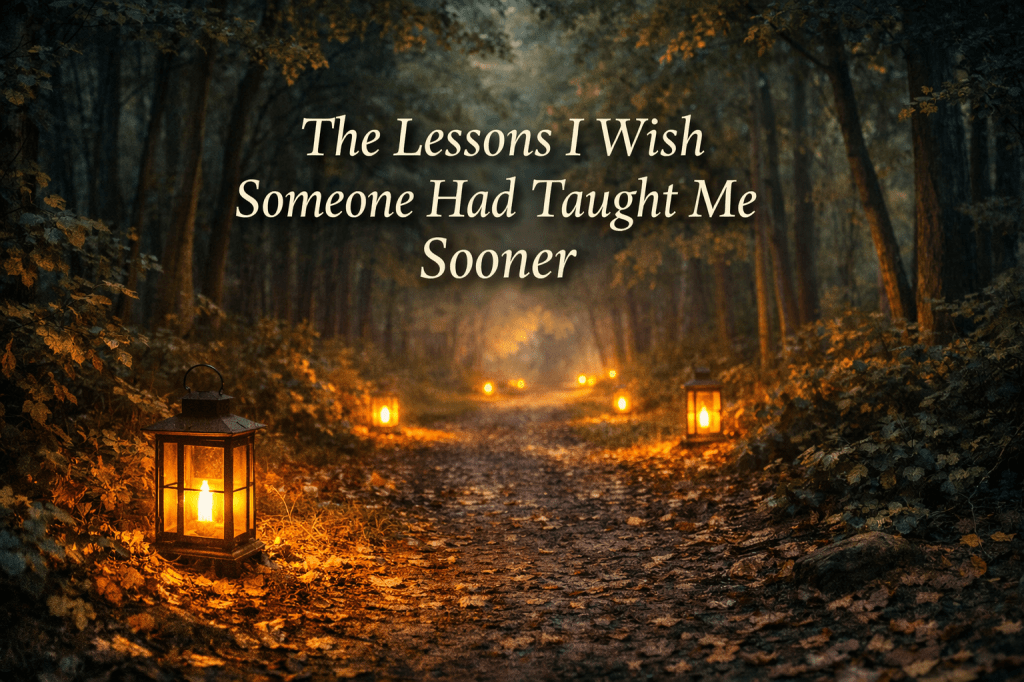
    Maybe that’s what these stories really are — small lanterns placed along the path I once had to walk in the dark.

    If someone younger finds one of them sooner than I did, then the years it took me to learn those lessons won’t have been wasted.

    Kyle J. Hayes

    kylehayesblog.com

    Please like, comment, and share

    Resources for Hard Times

    If you’re looking for practical help, food support, or community resources, you can visit the Salt, Ink & Soul Resources Page.
    👉 Resources for Hard Times

    Links

  • The Weight of Staying

    The Weight of Staying

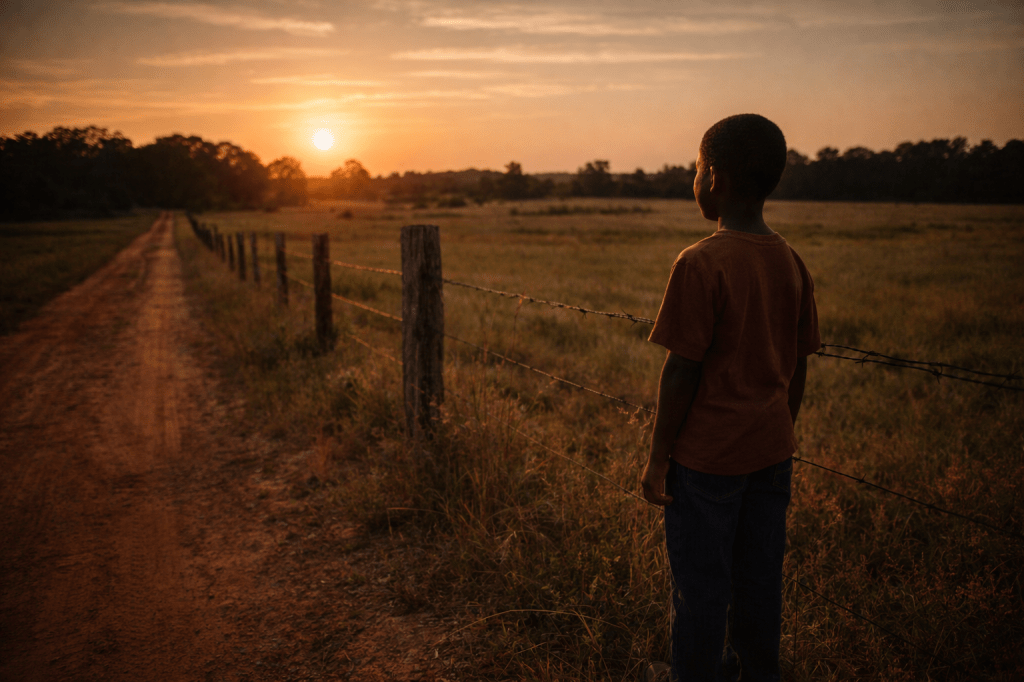
    Kofi lived in the low, breathing cradle of a Southern town where the sun didn’t just rise—it pressed.

    It leaned into the red dirt and the wooden porches, into the backs of people who worked outside because that’s what their lives required.

    The town wasn’t large. It didn’t need to be.

    Every face carried history.

    Every house leaned a little with age, like it had listened to too many stories and decided to rest into them.

    The land itself felt watched over, not owned—held carefully, as something fragile and sacred is.

    Kofi spent his days moving through open fields and fence lines, helping his family tend what little they had: a few animals, a garden, the kind of labor that teaches a boy where his strength ends and his patience must begin.

    He learned the rhythm of the place—the slow insistence of heat, the way time stretched instead of rushed.

    His father was a quiet man.

    Not the kind who filled rooms with speeches, but the kind whose words stayed with you because they were never wasted.

    “To live right,” his father told him once, leaning against a fence post worn smooth by generations of hands, “is to stand straight even when nobody’s watching.

    Especially then.”

    One afternoon, a stranger came into town.

    He arrived in a clean truck that looked too new for the road it traveled, carrying papers instead of tools. He spoke of opportunity. Of development. Of progress.

    He pointed at maps and lines drawn where lives already existed.

    He talked about money the way some people talk about salvation.

    The town gathered.

    Some listened closely.

    Some crossed their arms.

    Everyone felt the weight of the moment, even if they didn’t yet know how to name it.

    The land he wanted wasn’t empty. It was layered—with memories, with loss, with people who had already been moved once before in stories their grandparents told quietly.

    Kofi stood at the edge of the crowd, absorbing more than anyone realized.

    The stranger noticed him.

    Later, away from the others, the man crouched down and handed Kofi something small and shining.

    A token.

    A promise wrapped in metal.

    “Just tell them it’s good,” the man said softly. “They’ll listen to you.”

    Kofi felt the pull of it—the way temptation doesn’t shout but suggests.

    The way it pretends to be harmless.

    He remembered his father’s voice.

    Calm.

    Certain.

    Unbending.

    When the moment came, Kofi stepped forward.

    His hands trembled, but his feet held.

    “This land,” he said, his voice carrying farther than he expected, “isn’t just dirt. It’s where our people learned how to stay. It’s where they buried what they lost and planted what they hoped for.

    You can’t sell something that’s still holding us up.”

    The town grew quiet.

    Not shocked.

    Not dramatic.

    Just still—like something important had been named out loud.

    The stranger gathered his papers.

    He left the same way he came, promises evaporating in the heat.

    Kofi didn’t feel proud the way stories sometimes pretend you should.

    He felt steady.

    Anchored.

    As if he had chosen to belong rather than to escape.

    That evening, his father sat beside him without speaking for a long while.

    Then he nodded once.

    Integrity, Kofi learned, wasn’t loud.

    It didn’t glitter.

    It didn’t offer shortcuts.

    It was the decision to stay rooted when leaving looked easier.

    To speak truth even when silence offered comfort.

    And as Kofi grew, the town grew with him—not richer, not shinier—but intact.

    Still standing.

    Kyle J. Hayes

    kylehayesblog.com

    Please like, comment, and share

    Resources for Hard Times

    If you’re looking for practical help, food support, or community resources, you can visit the Salt, Ink & Soul Resources Page.
    👉 Resources for Hard Times

  • The Weight of What You Carry

    The Weight of What You Carry

    In the American South, where heat teaches patience whether you want the lesson or not, there lived a small boy named Amari.

    Adults called him full of energy. What they meant was that his body often moved faster than his judgment. His feet were quick. His mouth was quicker. He laughed before asking and burned hot when he felt small.

    He lived near a road that once mattered more than it did now. Trucks still passed. Church folk still waved. Old men still sat in folding chairs like they were guarding something no one had named aloud. His mother worked long days. His Uncle Michael cooked.

    Not fancy food.

    Not restaurant food.

    The kind that fed tired hands. The kind that smelled like onions in cast iron and meant you’re safe here. Salt mattered in that kitchen—not just for taste, but for balance. For knowing when something was right.

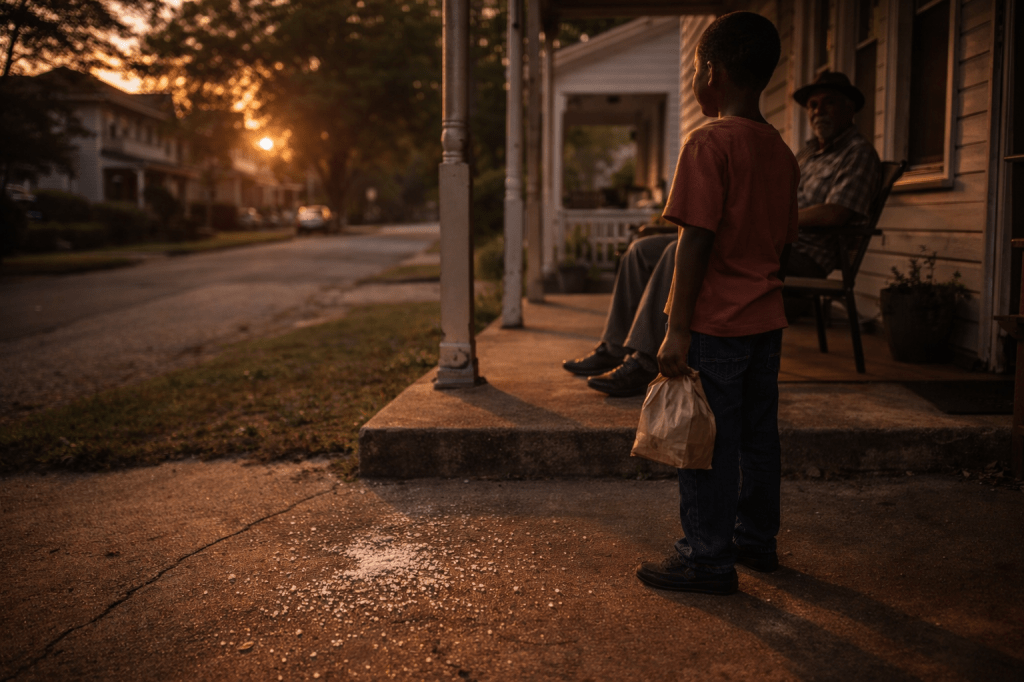
    One morning, his Uncle Michael handed Him a small paper sack.

    “Take this next door,” he said. “And don’t spill it.”

    Amari nodded. Serious. Focused. For a moment.

    Outside, the block was alive—boys throwing rocks at a rusted can, a radio too loud, laughter ricocheting between houses. Amari wanted to be seen.

    So he set the sack down for just a second.

    The wind came without asking. It tipped the bag. Salt scattered across the concrete, bright and unforgiving.

    Amari froze.

    Salt doesn’t come back once it’s rushed. It only tells the truth about what happened.

    Someone laughed. Not cruel. Just careless.

    That’s when Mr. Lewis, who sat on his porch every morning like time had placed him there on purpose, spoke up.

    “You know what that is?” he asked, nodding at the ground.

    “Just salt,” Amari said.

    Mr. Lewis shook his head. “Salt is what’s left after everything else burns away. You don’t rush it.”

    Then he asked, gently, “What were you really trying to do, son?”

    Amari swallowed. “I wanted to look strong.”

    Mr. Lewis nodded. “Strength ain’t speed. It’s control.”

    Amari carried the empty bag back and told his Uncle the truth before fear could dress it up. He didn’t yell.

    “Today,” he said, “you cook with me.”

    All day, Amari learned to wait. To stir without splashing. To listen to the heat, to the timing, to himself. By evening, his Uncle Michael handed him another sack.

    “This time,” he said, “carry it slow.”

    And Amari did.

    Not out of fear.

    Out of understanding.

    That night, with cicadas humming and the wind still moving through the trees, Amari learned what no one had rushed to teach him:

    Resilience isn’t never spilling.

    Self-discipline isn’t punishment.

    Self-awareness is knowing when you’re rushing—

    and choosing to hold what matters steady.

    The wind kept blowing.

    But Amari knew how to carry now.

    Kyle J. Hayes

    kylehayesblog.com

    Please like, comment, and share

    Resources for Hard Times

    If you’re looking for practical help, food support, or community resources, you can visit the Salt, Ink & Soul Resources Page.
    👉 Resources for Hard Times

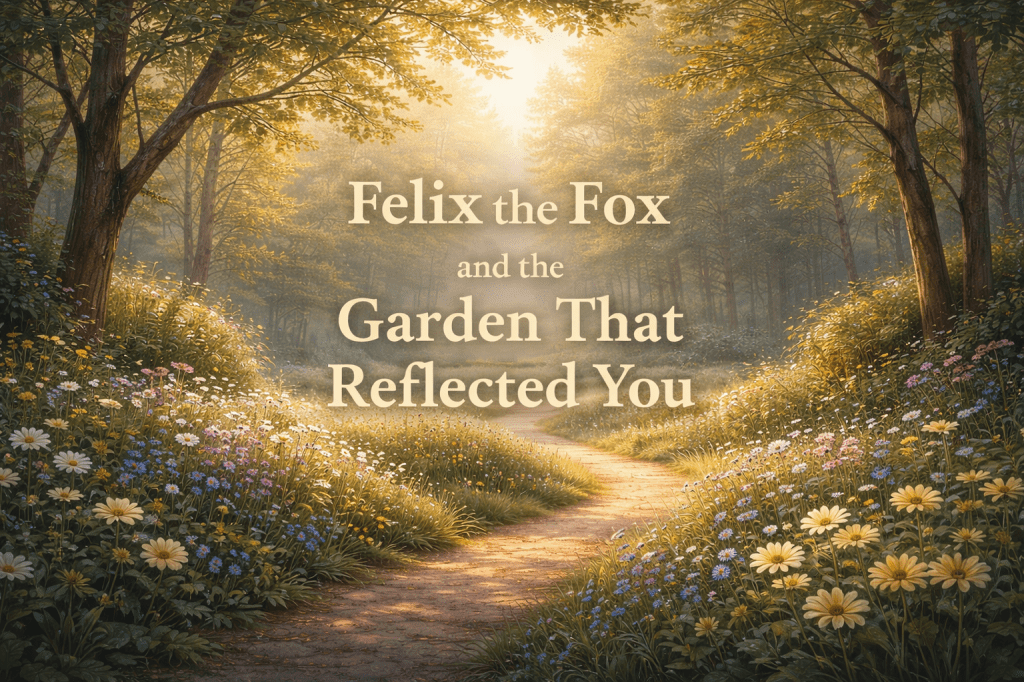
  • Felix the Fox and the Garden That Reflected You

    Felix the Fox and the Garden That Reflected You

    There was a garden tucked deep inside the Whispering Woods that most creatures walked past without noticing.

    Not because it was hidden—but because it waited to be found.

    Felix the Fox noticed it one morning when the light fell differently between the trees. The air felt softer there, as if the forest itself had taken a breath and decided to hold it.

    “This place feels like it’s listening,” Felix said.

    The garden did not answer.

    It didn’t need to.

    Felix wasn’t alone. Maple the Rabbit hopped beside him, curious and open, while nearby, Bristle the Magpie watched carefully, wings tucked tight against her sides. Bristle liked shiny things. She liked keeping them close. It made her feel safe.

    The garden seemed to notice that, too.

    A gentle path appeared beneath Felix’s paws—wide enough for more than one, marked by flowers that leaned outward, as if inviting company.

    Maple followed easily.

    Bristle hesitated.

    Her path was different. It shimmered faintly, scattered with small, glinting objects half-buried in the soil. Each one caught the light just right.

    Bristle gathered them quickly.

    The more she collected, the quieter the garden became.

    Felix’s path felt heavier at first. He found fallen branches blocking the way, thorny vines tangled where others might stumble. But each time he paused, Maple or another forest friend appeared—not summoned, just arriving.

    Together, the work became lighter.

    The flowers along Felix’s path grew brighter, not because he cleared it alone, but because he never did.

    Bristle reached a clearing first.

    In the center stood a smooth pool of water, still as glass. She leaned over it, expecting to see something shining back at her.

    Instead, she saw herself alone—wings full, paws empty.

    The garden did not scold.

    It simply waited.

    Farther along, Felix reached his own clearing. When he looked into the pool, he didn’t see just himself. He saw Maple laughing. Bramble helping. Piper perched nearby, humming softly.

    The water seemed to whisper:

    What you share stays with you.

    Bristle listened from the edge of the trees.

    Her wings felt heavy now—not with treasure, but with something lonelier.

    She looked back at the path she’d taken. The flowers there had dulled, not angry, just tired.

    Bristle made a choice.

    She returned the shiny things to the soil. Slowly. One by one. Then she followed the sound of voices rather than the sparkle.

    When she reached the others, Felix didn’t say anything.

    He just made room.

    As Bristle helped lift a branch and shared a found trinket instead of keeping it, the garden changed again. Color returned. The air warmed. The path widened.

    The Whispering Woods had noticed.

    By the time they left, the garden looked no different than before—quiet, unassuming, easy to miss.

    But Felix knew better.

    “Some places don’t show you who they are,” he said softly.

    “They show you who you are.”

    The forest seemed pleased with that.

    And long after the garden disappeared behind them, its lesson stayed—growing quietly wherever kindness was chosen over keeping.

    Some gardens don’t grow flowers.

    They grow understanding.

    Kyle J. Hayes

    kylehayesblog.com

    Please like, comment, and share

    Read More Felix Stories.

    👉 Felix Collections

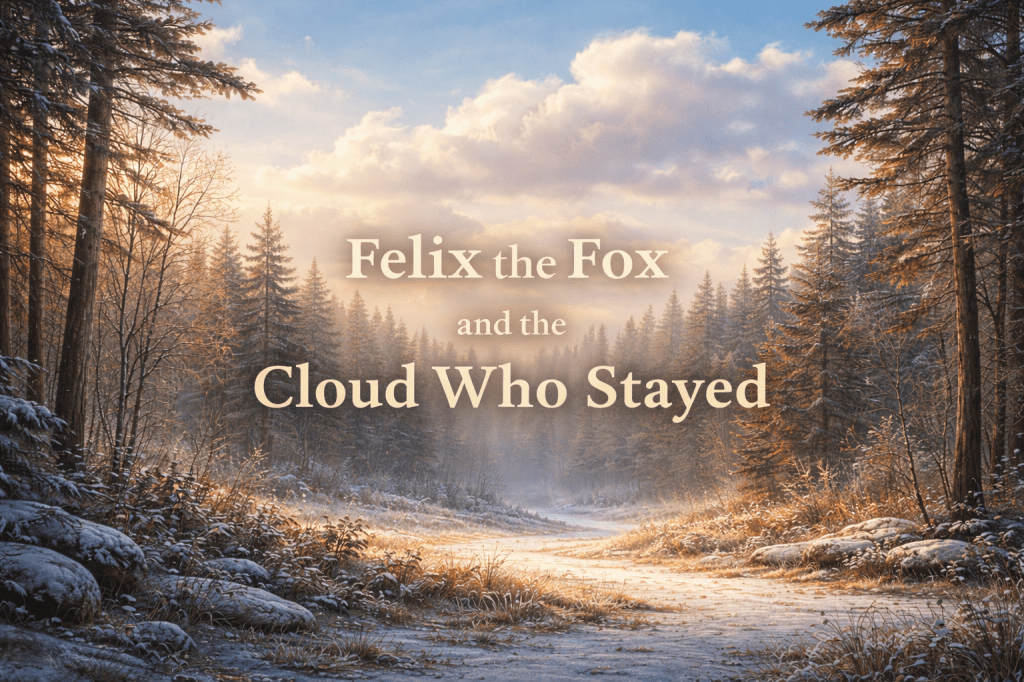
  • Felix the Fox and the Cloud Who Stayed

    Felix the Fox and the Cloud Who Stayed

    Felix the Fox noticed the cloud before he knew why it mattered.

    It was there most mornings—thin and pale, drifting slowly above the edge of the Whispering Woods. Not rushing. Not gathering with the others. Just staying.

    Felix often paused on his walks and looked up at it.

    “That cloud doesn’t seem to be in a hurry,” he said once.

    The woods, as usual, did not answer.

    Winter moved quietly through the trees. Snow rested on branches the way a thought rests when it hasn’t decided what to become yet. Felix padded along the familiar paths, listening, noticing, letting the day arrive at its own pace. Above him, the cloud drifted.

    Felix wondered if clouds ever felt lonely.

    One afternoon, while following the creek toward the forest’s edge, Felix noticed something else—a young tree standing just beyond the main grove. It wasn’t weak. It wasn’t broken. It simply stood where the forest thinned, growing in the open space between what was and what could be.

    Felix stopped beside it.

    “You look like you’re waiting,” he said.

    The tree did not speak, but its leaves rustled in a way that felt like agreement.

    Felix sat for a while, then looked up again. The cloud had lowered itself, just slightly, as if listening.

    “I think that cloud is keeping you company,” Felix said.

    That night, rain came—but not the loud kind. Not the kind that rushed in and left the ground overwhelmed. It fell gently. Patiently. The sort of rain that knew when to stop.

    Felix watched from his den as the soil darkened and drank it in.

    Days passed. Then more.

    Felix noticed small changes. The ground around the lone tree softened. Tiny green shoots appeared where there had only been bare earth. Birds began landing there—just to rest at first. Then to stay.

    Felix returned often. The cloud still drifted overhead, never lingering too long, never leaving too fast.

    One morning, Felix saw other clouds arrive. They gathered briefly, spoke in soft rumbles, and shared the sky. Together, they let the rain fall again.

    This time, more seeds woke.

    The forest did not rush the process. Neither did the cloud.

    Weeks later, Felix realized the space between the lone tree and the forest no longer felt empty. Saplings had taken root. Leaves brushed one another in the breeze. The forest had grown—not outward, but toward something.

    Felix sat on a fallen log and watched.

    “So that’s what you were doing,” he said quietly.

    The cloud, now thinner, drifted higher.

    One afternoon, the wind shifted. The cloud began to move, stretching, loosening, preparing to go.

    Felix felt something tug at him—not sadness exactly, but understanding.

    “Thank you,” he said, unsure if clouds could hear.

    The cloud did not answer. It did not need to.

    The forest answered instead.

    The once-lonely tree now stood among others. Birds nested. Roots intertwined. Life moved easily where waiting had once lived.

    Felix walked home slowly.

    That evening, as the sky cleared, he understood something important:

    Some helpers do not stay forever.

    Some kindness happens quietly.

    Some friends arrive, not to belong—but to make belonging possible.

    Felix curled his tail around his paws and looked up at the open sky. Not everything that matters lives on the ground, he thought.

    And the Whispering Woods, grown just a little wider than before, held that truth gently.

    Some kindness doesn’t stay—

    But it leaves room for everything that comes next.

    Kyle J. Hayes

    kylehayesblog.com

    Please like, comment, and share

    Read More Felix Stories.

    👉 Felix Collections

  • Felix the Fox and the Trail of Triumph

    Felix the Fox and the Trail of Triumph

    In the heart of the Whispering Woods lived Felix the Fox. Felix loved to play and explore. He enjoyed easy, fun things but didn’t always like hard or challenging tasks.

    One morning, Felix awoke to the sound of chirping birds and the scent of blooming flowers. He stretched his paws and stepped outside, eager to see what adventures awaited him. As he wandered through the woods, he met Oliver the Owl perched on a low branch.

    “Good morning, Felix,” Oliver hooted softly. “I have a special task for you today. The forest needs a new path cleared to the creek so all the animals can easily get water. Will you help?”

    Felix’s eyes widened.

    “A new path? That sounds like a lot of work, Oliver. Can’t someone else do it?”

    Oliver smiled kindly.

    “It is a big task, Felix, but it’s important. Hard work is sometimes necessary to make things better for everyone. You’ll learn much and become stronger by taking on this challenge.”

    Felix hesitated but finally agreed.

    “Okay, I’ll do it. But I’m not sure how to start.”

    Oliver guided Felix to the edge of the woods, where the new path needed to be made. The area was thick with underbrush and tangled vines. Felix took a deep breath and began to clear the way, using his paws to move sticks and stones and his sharp teeth to cut through the vines.

    At first, Felix found the work tiring and difficult. His paws hurt, and he felt frustrated and wanted to give up. He paused to rest under a shady tree, feeling disheartened.

    Just then, Tilly the Hedgehog and Lila the Squirrel appeared, carrying small baskets of berries.

    “What’s wrong, Felix?” Tilly asked, noticing his frown.

    “I’m trying to clear this path to the creek, but it’s so much work,” Felix sighed.

    Lila nodded.

    “Hard work can be tough, Felix, but it’s rewarding. We’ll help you. Together, we can make the job easier.”

    Encouraged by his friends, Felix felt a surge of determination. Tilly used her quills to move stubborn branches, and Lila’s nimble paws were perfect for untangling vines. With their help, the path began to take shape more quickly.

    As they worked, Felix discovered something surprising. He felt a sense of accomplishment with each section of the cleared path. The challenge wasn’t just about the physical task—it was about perseverance and teamwork.

    By the end of the day, the new path was complete. Felix looked back at the stretch of clear ground they had made, feeling proud and satisfied. His friends smiled at him, their faces glowing with the same sense of achievement.

    “Thank you, Tilly and Lila,” Felix said gratefully.

    “I couldn’t have done it without you.”

    “You did great, Felix,” Tilly replied.

    “We all did. And now everyone in the forest will benefit from the new path.”

    Oliver the Owl flew down and inspected their work.

    “Excellent job, everyone! Felix, you’ve learned an important lesson today about the value of hard work and taking on challenges.”

    Felix nodded.

    “I understand now, Oliver. Hard work might not always be fun, but it’s worth it when you see what you can accomplish. And it feels even better when you work with friends.”

    The next day, all the animals gathered to see the new path. They cheered and thanked Felix, Tilly, and Lila for their efforts. The path made it easier for everyone to reach the creek, and Felix felt a warm glow of pride.

    From that day on, Felix didn’t shy away from hard work or challenges. He understood they were opportunities to grow, learn, and help others. And whenever he faced a difficult task, he remembered the lesson he had learned with his friends in the Whispering Woods.

    As the sun set and the forest grew quiet, Felix curled up in his cozy den, reflecting on the day’s adventure. He knew that the strength and confidence he had gained would stay with him, ready for whatever new challenges might come his way.

    And so, Felix the Fox learned the value of hard work and the joy of overcoming challenges, knowing that anything was possible with determination and the support of friends.

    Kyle J. Hayes

    kylehayesblog.com

    About This Story

    Felix the Fox and the Trail of Triumph was written earlier as part of the Felix the Fox series.

    This story is available with full illustrations in both ebook and print editions.

    📚 You can find and purchase the illustrated version here:

    Felix the Fox Collection

  • Felix the Fox and the Soup That Didn’t Look Fancy

    Felix the Fox and the Soup That Didn’t Look Fancy

    The day the soup happened, the Whispering Woods were very quiet.

    Not the sleepy kind of quiet that comes before a nap, and not the exciting kind that comes before a surprise—just the ordinary hush of winter doing what winter does best. Snow rested on branches. The air held still. Even the creek seemed to whisper instead of sing.

    Felix the Fox stood in his small kitchen, stirring a pot.

    Inside the pot were simple things: carrots, potatoes, a little onion, and some herbs he’d gathered earlier that morning. Nothing sparkled. Nothing swirled into shapes. The soup was a soft, gentle brown, the color of comfort but not of celebration.

    Felix frowned.

    “It doesn’t look special,” he said to the spoon.

    The spoon, being a spoon, did not argue.

    Felix had planned to invite his friends over. Winter had been long already, and everyone seemed a little quieter than usual. Piper hadn’t been singing as much. Maple had been hopping more slowly. Even Bramble’s laughter sounded smaller, like it was saving itself.

    Felix wanted to help.

    But when he looked at the pot, doubt crept in.

    “What if they expect something better?” he wondered.

    “What if it’s too plain?”

    “What if they think I didn’t try hard enough?”

    He imagined bowls filled with bright colors, meals that made everyone gasp when they saw them. This soup would not make anyone gasp. It would barely make anyone look twice.

    Felix lifted the spoon and tasted it.

    It was warm.

    It was steady.

    It tasted like being held.

    Still, he hesitated.

    Just then, there was a soft knock at the door.

    Felix opened it to find Maple the Rabbit, wrapped in her scarf, snow dusting her ears.

    “I smelled something,” Maple said. “It smells… safe.”

    Behind her came Piper, wings tucked close for warmth. Then Bramble, stomping snow from his paws.

    Felix swallowed.

    “It’s just soup,” he said quickly. “Nothing fancy.”

    Maple smiled. “That’s okay.”

    Felix ladled the soup into bowls. No garnishes. No decorations. Just soup.

    They sat together at the table, steam rising slowly into the quiet room.

    For a moment, no one spoke.

    Then Maple sighed—a deep, settling sound.

    “Oh,” she said softly. “This is exactly what I needed.”

    Piper took a careful sip, then another. Her shoulders dropped, just a little.

    “It feels like my wings can rest,” she said.

    Bramble drank his bowl in thoughtful silence. When he finished, he looked up.

    “It tastes like the day got easier,” he said.

    Felix blinked.

    “You… you like it?” he asked.

    Maple nodded. “It doesn’t have to look special to be special.”

    Piper smiled. “Some food isn’t meant to impress. It’s meant to help.”

    Bramble pushed his empty bowl forward. “May I have more?”

    Felix laughed—a quiet, relieved laugh that felt like sunlight finding its way through clouds.

    As they ate, the room warmed. Not just from the soup, but from the way everyone leaned back in their chairs, the way their breathing slowed, the way the winter outside felt less heavy.

    No one asked what was in the soup.

    No one asked how long it took.

    No one asked why it looked the way it did.

    They were too busy feeling better.

    Later, as the bowls were emptied and the evening settled in, Felix washed the pot with a lighter heart.

    He looked at the soup again—what little remained at the bottom.

    It still wasn’t fancy.

    But it had done its job.

    Felix smiled to himself.

    Not everything needs to shine, he realized.

    Some things just need to be nourished.

    Kyle J. Hayes

    kylehayesblog.com

    Please like, comment, and share

    Read More Felix Stories.

    👉 Felix Collections

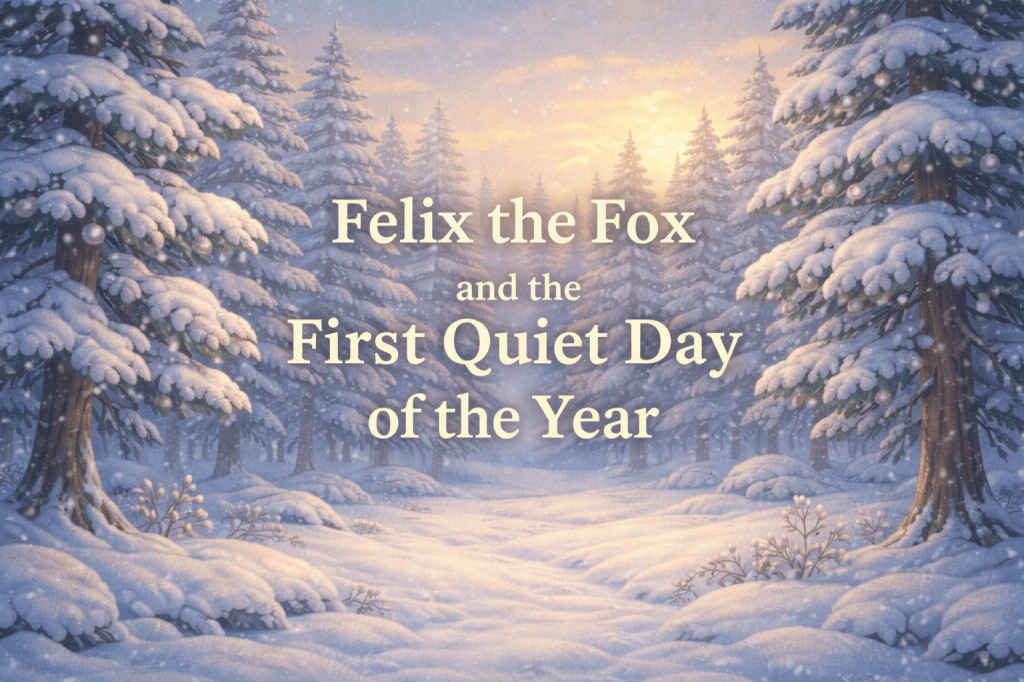
  • Felix the Fox and the First Quiet Day of the Year

    Felix the Fox and the First Quiet Day of the Year

    The first quiet day of the year arrived without announcing itself.

    There were no bells.

    No fireworks.

    No one is telling the forest what it should become next.

    Snow rested gently on the branches of the Whispering Woods, not fresh enough to sparkle, not old enough to melt—just settled. The kind of snow that knew how to wait.

    Felix the Fox woke later than usual.

    He stretched beneath his quilt of leaves and listened. The forest felt different today. Not sleepy. Not busy. Just… still. As if the world had decided to take a breath before doing anything else.

    Felix padded outside and looked around.

    “I wonder what I’m supposed to do today,” he said.

    The word supposed lingered in the air, heavier than he expected.

    He walked past Maple’s burrow. Quiet.

    Past Piper’s tree. Still.

    Even Bramble’s den showed no signs of stirring.

    Felix’s tail flicked.

    “Maybe everyone’s getting a head start,” he thought. “Maybe I’m already behind.”

    That idea made his chest feel tight, so he wandered deeper into the woods, hoping the trees might know the answer.

    Near the old creek, Felix found Lumina the lamppost still glowing softly, even though morning had arrived.

    “You’re on early,” Felix said.

    Lumina’s light warmed the snow at her base.

    “Or perhaps,” she said gently, “you’re on time.”

    Felix sat beside her.

    “It feels like I should be doing something important,” he admitted. “Starting something new. Becoming better. Becoming more.”

    Lumina hummed—a low, comforting sound.

    “Does becoming always begin with doing?” she asked.

    Felix tilted his head.

    “I… don’t know.”

    “Then perhaps today is for listening,” Lumina said. “Or resting. Or noticing.”

    Felix considered that.

    The creek whispered nearby. A bird fluttered past without stopping. The forest didn’t seem disappointed in him at all.

    Later, Felix spotted Bramble sitting on a log, staring at his own breath puffing into the cold air.

    “What are you doing?” Felix asked.

    “Nothing,” Bramble said happily.

    Felix waited.

    Bramble smiled. “I’m very good at it.”

    Felix laughed, and something loosened inside him.

    They sat together without talking. The snow didn’t hurry them. The sky didn’t ask questions.

    As the sun dipped lower, Felix realized something important.

    The first quiet day of the year wasn’t empty.

    It was full of permission.

    Permission to rest before trying.

    Permission to be before becoming.

    Permission to arrive slowly.

    Felix curled his tail around his paws and smiled at the woods.

    “Maybe,” he said softly, “I don’t have to rush into the year.”

    The forest, wise and unbothered, seemed to agree.

    And so the first quiet day of the year passed—not with effort, not with plans, but with gentleness.

    And that, Felix learned, was more than enough to begin.

    Kyle J. Hayes

    kylehayesblog.com

    Please like, comment, and share

    Read More Felix Stories.

    👉 Felix Collections

  • The Great Whispering Woods Winter Swap

    The Great Whispering Woods Winter Swap

    Winter arrived quietly in the Whispering Woods, sprinkling soft snow across the treetops and giving the air a crisp, gentle hush. It was the kind of morning when every breath looked like a tiny cloud, and every sound felt a little more magical.

    Felix the Fox trotted into the clearing with a sparkle in his eye.

    “Today feels special,” he said, his tail giving a hopeful swish.

    And he was right—because today was the very first Winter Swap, a new tradition the friends had decided to create together.

    The Winter Swap was simple:

    Each creature would share something meaningful—not something bought, but something made or given from the heart.

    Piper the Bluebird fluttered down from her branch, her feathers puffed against the cold.

    “I’ll go first,” she said softly. “My gifts aren’t things you can hold… but you can feel them.”

    Then she opened her wings and sang a melody warm enough to melt the frost. Her song wrapped around the friends like a cozy scarf, lifting noses, chins, and hearts.

    Maple the Rabbit closed her eyes, letting the music settle into her like a hug.

    “That was beautiful,” she whispered. “My turn!”

    Maple rummaged through her little winter pouch and pulled out a bundle of treats—dried berries, honey-squash crisps, and her famous cedar-sprout clusters.

    “These are my best snacks,” she said shyly. “I saved them for today because special moments deserve special things.”

    Bramble the Bear Cub stepped forward next, holding something behind his back.

    “I made these,” he said proudly, revealing soft, leaf-patterned mittens woven from forest fibers. “Each pair has a different leaf, so you always remember where you belong.”

    Felix slipped one mitten on and pressed it to his cheek.

    “They feel like the whole forest is holding my hand,” he said.

    The friends waited for Felix next, but he only smiled gently.

    “I don’t have anything to give that you can keep,” he said. “But I have time. And warmth. And I can stay with each of you as long as you need company today.”

    Maple hopped closer.

    “Felix… that is a gift.”

    Piper nodded.

    “Sometimes the best gifts aren’t things we hold. They’re moments we share.”

    Bramble wrapped his new mittens around his paws and beamed.

    “Gifts that come from who we are,” he said softly, “are the ones that last the longest.”

    The snow fell lightly as the friends gathered in a circle. There were no ribbons, no boxes, no fancy wrappings.

    But there was music to warm the air.

    There were snacks to fill their bellies.

    There were handmade mittens to protect their paws.

    And there was a fox offering time, presence, and a heart open as the winter sky.

    As the day faded into evening, a peaceful stillness settled over the woods. The Winter Swap had given each of them something different—something beautiful.

    Not a single gift had come from a store.

    Every gift had come from someone’s kindness.

    Felix looked around at his friends, his chest glowing like a lantern in the snow.

    “I guess winter isn’t just cold,” he said. “It’s a season for sharing warmth in our own way.”

    And everyone agreed.

    That night, as the stars gathered like tiny candles above them, the creatures of the Whispering Woods learned a gentle truth:

    Everyone has something valuable to offer—

    and the best gifts aren’t bought… they’re shared.

    Kyle J. Hayes

    kylehayesblog.com

    Please like, comment, and share

    Read More Felix Stories.

    👉 Felix Collections