
Category: Stories

  • The Salad That Doesn’t Compete

    The Salad That Doesn’t Compete

    Caesar Salad (As It Was Meant to Be)

    There’s a misunderstanding that follows certain dishes.

    Caesar salad is one of them.

    Somewhere along the way, it became something else.

    Covered. Overloaded. Turned into a platform for whatever someone felt like adding that day. Chicken most of all—placed on top like it needed saving, like it wasn’t enough on its own.

    But it was always enough.

    It was never meant to be heavy.

    Never meant to carry the whole meal.

    It was meant to support.

    To balance.

    To bring something sharp and clean to a plate that needed it.

    That may be why it belongs here.

    Next to something rich.

    Something warm.

    Something like jalapeño popper chicken.

    Because not everything on the plate needs to speak loudly.

    Some things just need to be right.

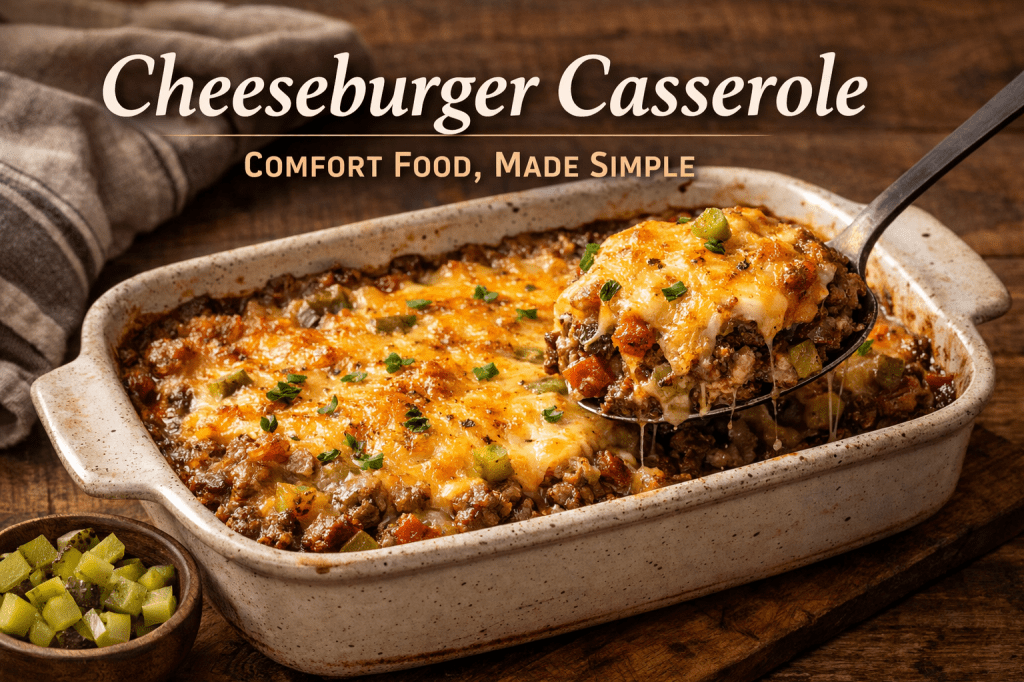
    Caesar Salad

    Serves 4 to 8

    Ingredients

    For the Croutons

    • 1 cup extra-virgin olive oil (from total below)
    • 4 oil-packed anchovies, drained
    • 2 garlic cloves, peeled and smashed
    • 6 slices of white sandwich bread, cut into ¾-inch cubes
    • ¼ cup finely grated Parmigiano-Reggiano
    • Salt and freshly ground black pepper

    For the Dressing

    • Remaining 1½ cups extra-virgin olive oil
    • 6 oil-packed anchovies, drained
    • 2 garlic cloves, finely chopped
    • 1 teaspoon Dijon mustard
    • Juice of 1 lemon (about 2 tablespoons)
    • ½ teaspoon Worcestershire sauce
    • Dash of Tabasco
    • 3 egg yolks
    • Salt and freshly ground black pepper

    For the Salad

    • 1 large or 2 small heads of romaine lettuce, washed, chilled, and coarsely chopped
    • ¾ cup finely grated Parmigiano-Reggiano
    • Boquerones (optional, for garnish)

    Instructions

    1. Make the Croutons

    In a wide pan, heat 1 cup of olive oil over medium-low heat.

    Add anchovies and smashed garlic, letting them slowly dissolve into the oil.

    Not rushed. Not forced.

    Increase the heat slightly and add the bread cubes.

    Toss until golden on all sides.

    Remove and transfer to a bowl.

    Toss gently with parmesan, salt, and pepper.

    Let them rest.

    2. Build the Dressing

    In a food processor or blender, combine:

    • anchovies
    • chopped garlic
    • mustard
    • lemon juice
    • Worcestershire
    • Tabasco
    • egg yolks

    Blend until smooth.

    Slowly drizzle in the remaining olive oil.

    Let it come together gradually.

    Taste. Adjust.

    This is where it becomes yours.

    3. Bring It Together

    In a large bowl, add the lettuce.

    Toss with dressing—just enough to coat.

    Not drown.

    Add the remaining parmesan.

    Toss again, gently.

    Plate it simply.

    This salad was made to sit beside something richer.

    Something warm. Something with weight.

    Like the Jalapeño Popper Chicken.

    Notes from the Kitchen

    • This salad is meant to balance, not compete.
    • Keep it clean. Keep it intentional.
    • The anchovies matter.
    • They don’t make it “fishy”—they make it complete.
    • Use enough dressing to coat, not overwhelm.
    • There’s a difference between flavor and excess.
    • And leave the chicken off.
    • It already has its place on the plate.

    A Quiet Understanding

    There’s something honest about a dish that knows what it is.

    It doesn’t try to become more.

    Don’t try to carry everything.

    It just does its job well.

    And next to something rich—

    something heavy with flavor and warmth—

    This salad reminds you that balance isn’t subtraction.

    Its intention.

    Not everything needs to stand alone.

    Some things are meant to stand beside one another.

    And when they do…

    The whole plate makes sense.

    Kyle J. Hayes

    kylehayesblog.com

    If this found you at the right time,

    Feel free to like, comment, or share it with someone who might need it too.

    Resources for Hard Times

    If you’re looking for practical help, food support, or community resources, you can visit the Salt, Ink & Soul Resources Page.

    👉 Resources for Hard Times

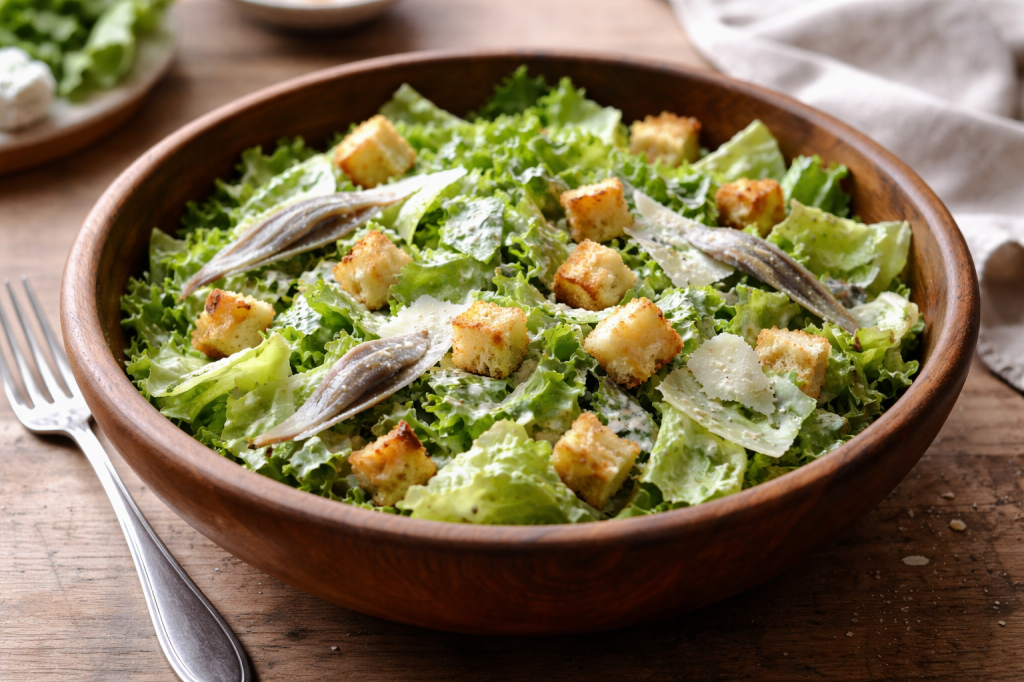
  • Cheeseburger Casserole

    Cheeseburger Casserole

    A familiar meal, made to be shared

    Some people look at the recipes I make and wonder why they lean so heavily toward casseroles.

    It’s a fair question.

    I eat well when I can. To be mindful. To make choices that feel like they’re moving me in the right direction. But I also love food—real food, the kind that doesn’t pretend to be anything other than what it is.

    This dish comes from something simple. I like cheeseburgers. Always have. The bun… I can take or leave. What stays with me is everything inside it—the beef, the cheese, the sharpness of mustard, the quiet tang of pickles. That’s the part that matters.

    And somewhere along the way, the idea shifted.

    If the bun isn’t necessary, then what’s left?

    Something you can gather. Something you can make once and return to. Something that holds for a few days without losing what made it good in the first place.

    So it became this.

    Not a replacement. Not a shortcut.

    Just another way of holding on to a flavor I wasn’t ready to let go of.

    Cheeseburger Casserole

    Serves

    6–8

    Ingredients

    • 1 pound ground beef
    • 1 small onion, diced
    • 2 cloves garlic, minced
    • Salt and pepper, to taste
    • 1 cup chopped tomatoes
    • 1 cup diced pickles
    • 1 cup shredded cheddar cheese
    • 1 cup shredded mozzarella cheese
    • 1 cup milk
    • 2 eggs
    • 2 tablespoons ketchup
    • 2 tablespoons mustard
    • 1 teaspoon Worcestershire sauce

    Instructions

    1. Preheat the oven

    Set your oven to 350°F (175°C).

    Let it warm slowly. No need to rush it.

    2. Build the base

    In a skillet over medium heat, cook the ground beef with the diced onion and garlic.

    Let it brown. Let the onions soften.

    Season with salt and pepper.

    Drain off any excess fat. What remains should feel clean, not heavy.

    3. Bring in the familiar

    Stir in the chopped tomatoes and diced pickles.

    This is where it starts to feel like something you already know.

    Transfer the mixture to a greased 9×13 baking dish and spread it evenly.

    4. Add the cheese

    Sprinkle the cheddar and mozzarella over the top.

    Nothing precise. Just enough to cover what’s there.

    5. Prepare the sauce

    In a separate bowl, whisk together:

    • milk
    • eggs
    • ketchup
    • mustard
    • Worcestershire sauce

    It won’t look like much yet.

    It doesn’t need to.

    6. Bring it together

    Pour the mixture evenly over the casserole.

    Let it settle into the spaces between everything else.

    7. Bake

    Place the dish in the oven and bake for 25–30 minutes.

    Until the top is melted, slightly golden, and the edges begin to bubble.

    8. Let it rest

    Remove from the oven and let it sit for a few minutes before serving.

    Some meals need that pause.

    This is one of them.

    To Serve

    Serve warm.

    You can finish it with:

    • a few extra diced pickles
    • chopped herbs
    • Or leave it just as it is

    It doesn’t need much.

    Serve This As a Complete Table

    This dish was never meant to stand alone.

    It belongs beside something that brings balance.

    • Low-Carb Coleslaw (coming Friday)
    • Almond Cream Cake  (coming Saturday)

    Together, they create something steady.

    Not heavy.

    Not complicated.

    Just enough.

    Kyle J. Hayes

    kylehayesblog.com

    If this found you at the right time,

    Feel free to like, comment, or share it with someone who might need it too.

    Resources for Hard Times

    If you’re looking for practical help, food support, or community resources, you can visit the Salt, Ink & Soul Resources Page.
    👉 Resources for Hard Times

  • Notes from the Kitchen: What I Learned Slowly

    Notes from the Kitchen: What I Learned Slowly

    There are things the kitchen teaches you slowly.

    Not in a single recipe. Not in a moment where everything finally makes sense. But over time. Through repetition. Through small mistakes. Through paying attention in ways you didn’t know you needed to.

    Some of those lessons stay with you.

    Quiet things. Practical things. The kind that don’t feel important until you realize they’ve changed the way you move through the room.

    If there is ever a question about washing your meat, the answer is yes.

    I learned that in a place that didn’t leave much room for guessing—a summer spent working in a beef processing plant. Some lessons don’t need to be debated after you’ve seen how things are handled before they reach your kitchen.

    At home, I keep it simple.

    A little vinegar. Half a lemon.

    Not complicated. Just care.

    Flour is one of those things I didn’t understand until I did.

    I used to avoid it without knowing why. Something about it never sat right with me. It wasn’t until I started paying attention—really paying attention—that I realized not all flour is the same.

    Now I buy unbleached, unfortified flour. I use King Arthur.

    And yes… I can tell the difference.

    Not just in the way it bakes. In the way it feels afterward.

    Sometimes the body knows things before the mind catches up.

    For a long time, I bought boneless, skinless chicken.

    Convenient. Clean. Quick.

    But convenience has a way of taking something away without telling you.

    At some point, I stopped.

    Started buying whole chickens instead.

    Learning how to break them down. Learning where each cut comes from. Learning how much more you get when you take the time.

    What you don’t use right away becomes broth.

    What used to be thrown away becomes something that feeds you again later.

    There’s a quiet satisfaction in that.

    Some tools make the kitchen easier, not louder.

    A digital thermometer.

    A digital scale.

    They don’t take anything away from the experience. They give you clarity. They remove the guessing that sometimes turns simple cooking into frustration.

    The same goes for learning the metric system.

    Especially when baking.

    It’s not about being technical. It’s about being consistent.

    A sharp knife changes everything.

    I didn’t realize how much effort I was wasting until I didn’t have to anymore.

    There’s a difference between fighting your tools and working with them.

    The kitchen feels different when things move the way they’re supposed to.

    I wear gloves in the kitchen.

    Some people might not.

    That’s fine.

    But I’ve come to appreciate finishing a meal without the smell of onions or garlic following me around for the rest of the day.

    Small choices. Small comforts.

    They add up.

    One of the simplest things I’ve learned is also one of the most important.

    Read the recipe all the way through.

    Not while you’re cooking. Not halfway in.

    At the moment you think about making it.

    Some recipes take time. Some take planning. Some ask more of you than they let on at first glance.

    It’s better to know that before you begin.

    And maybe the most practical lesson of all:

    Plan your meals.

    Not in a rigid way. Not like a schedule you have to obey.

    Just with a little intention.

    Think about what’s coming next. Think about what leftovers can become. Think about how one meal can lead to another.

    It makes things easier.

    More affordable.

    Less wasteful.

    More thoughtful.

    None of these things is complicated.

    That’s the point.

    The kitchen doesn’t always ask for more skill.

    Sometimes it just asks for more attention.

    And over time, that attention becomes something else.

    Something quieter.

    Something steady.

    Something that feels a lot like care.

    Kyle J. Hayes

    kylehayesblog.com

    If this found you at the right time,

    Feel free to like, comment, or share it with someone who might need it too.

    Resources for Hard Times

    If you’re looking for practical help, food support, or community resources, you can visit the Salt, Ink & Soul Resources Page.
    👉 Resources for Hard Times

  • The Weight of Staying

    The Weight of Staying

    Kofi lived in the low, breathing cradle of a Southern town where the sun didn’t just rise—it pressed.

    It leaned into the red dirt and the wooden porches, into the backs of people who worked outside because that’s what their lives required.

    The town wasn’t large. It didn’t need to be.

    Every face carried history.

    Every house leaned a little with age, like it had listened to too many stories and decided to rest into them.

    The land itself felt watched over, not owned—held carefully, as something fragile and sacred is.

    Kofi spent his days moving through open fields and fence lines, helping his family tend what little they had: a few animals, a garden, the kind of labor that teaches a boy where his strength ends and his patience must begin.

    He learned the rhythm of the place—the slow insistence of heat, the way time stretched instead of rushed.

    His father was a quiet man.

    Not the kind who filled rooms with speeches, but the kind whose words stayed with you because they were never wasted.

    “To live right,” his father told him once, leaning against a fence post worn smooth by generations of hands, “is to stand straight even when nobody’s watching.

    Especially then.”

    One afternoon, a stranger came into town.

    He arrived in a clean truck that looked too new for the road it traveled, carrying papers instead of tools. He spoke of opportunity. Of development. Of progress.

    He pointed at maps and lines drawn where lives already existed.

    He talked about money the way some people talk about salvation.

    The town gathered.

    Some listened closely.

    Some crossed their arms.

    Everyone felt the weight of the moment, even if they didn’t yet know how to name it.

    The land he wanted wasn’t empty. It was layered—with memories, with loss, with people who had already been moved once before in stories their grandparents told quietly.

    Kofi stood at the edge of the crowd, absorbing more than anyone realized.

    The stranger noticed him.

    Later, away from the others, the man crouched down and handed Kofi something small and shining.

    A token.

    A promise wrapped in metal.

    “Just tell them it’s good,” the man said softly. “They’ll listen to you.”

    Kofi felt the pull of it—the way temptation doesn’t shout but suggests.

    The way it pretends to be harmless.

    He remembered his father’s voice.

    Calm.

    Certain.

    Unbending.

    When the moment came, Kofi stepped forward.

    His hands trembled, but his feet held.

    “This land,” he said, his voice carrying farther than he expected, “isn’t just dirt. It’s where our people learned how to stay. It’s where they buried what they lost and planted what they hoped for.

    You can’t sell something that’s still holding us up.”

    The town grew quiet.

    Not shocked.

    Not dramatic.

    Just still—like something important had been named out loud.

    The stranger gathered his papers.

    He left the same way he came, promises evaporating in the heat.

    Kofi didn’t feel proud the way stories sometimes pretend you should.

    He felt steady.

    Anchored.

    As if he had chosen to belong rather than to escape.

    That evening, his father sat beside him without speaking for a long while.

    Then he nodded once.

    Integrity, Kofi learned, wasn’t loud.

    It didn’t glitter.

    It didn’t offer shortcuts.

    It was the decision to stay rooted when leaving looked easier.

    To speak truth even when silence offered comfort.

    And as Kofi grew, the town grew with him—not richer, not shinier—but intact.

    Still standing.

    Kyle J. Hayes

    kylehayesblog.com

    Please like, comment, and share

    Resources for Hard Times

    If you’re looking for practical help, food support, or community resources, you can visit the Salt, Ink & Soul Resources Page.
    👉 Resources for Hard Times