
Category: Uncategorized

  • I Wonder How

    I Wonder How

    The snow fell in slow spirals outside the dimly lit bar, where three men sat around the same scarred oak table they had claimed for nearly a decade.

    Every Christmas Eve, without fail, they gathered—not for family, not for faith, but for the impossible question that kept them human.

    “How does he do it?” the artist said, brushing paint flecks from his fingers as if they were stardust. “How does one being deliver joy to billions in one night?”

    The engineer chuckled, swirling the ice in his glass. “You mean how he could do it. There’s a difference between wonder and logistics.”

    The physicist adjusted his glasses, his eyes reflecting the amber light of the bar’s tiny bulbs. “Or perhaps you mean: how could we ever understand it?”

    They clinked glasses.

    Tradition began.

    The Artist’s Theory: The Magic of Belief

    The artist leaned forward, voice low and fervent.

    “You’re both missing the point. Santa doesn’t deliver gifts because of physics or mechanics—he delivers because he exists where belief still lives. Each child who imagines him gives him form, and that collective imagination becomes his sleigh, his speed, his magic.”

    The engineer rolled his eyes. “So you’re saying it’s powered by… dreams?”

    “Not dreams—faith,” the artist replied. “Not in a man, but in what he represents. Every painted card, every glowing ornament, every whispered wish is an act of creation. The laws of art and emotion are stronger than any law of thermodynamics.”

    The physicist tilted his head, intrigued despite himself.

    “You’re saying belief collapses probability into existence—like a kind of human-driven wave function.”

    The artist smiled. “Exactly. Magic isn’t the opposite of science. It’s the poetry of it.”

    For a moment, all three sat silent, letting that notion settle like dust on candlelight—the idea that wonder itself could move matter.

    The Engineer’s Theory: The Machinery of Miracles

    The engineer cracked his knuckles and set his glass down.

    “Alright, my turn. No offense to your ‘poetry,’ but the only way to deliver that many packages is through an automated system on an impossible scale.”

    He began sketching on a napkin—tiny sleighs branching from one great mothership like snowflakes from a storm cloud.

    “Imagine a global delivery network built centuries ahead of its time. Millions of drones, each guided by data—weather patterns, children’s locations, behavioral algorithms. The sleigh’s just a symbol. The real Santa is an entire system of precision.”

    The artist frowned. “That sounds cold. Heartless.”

    “Not heartless,” the engineer said softly. “Efficient. The greatest gift humanity ever built wasn’t the sleigh—it was coordination. Santa isn’t one man. He’s the sum of our capacity to create order out of chaos.”

    The physicist smiled faintly. “A machine of goodwill.”

    “Exactly,” the engineer said. “A machine that runs not on gears or wires—but on intention. Every parent who wraps a present, every neighbor who donates a coat, they’re all nodes in the network. Each act of kindness becomes an operation in a vast machine that never stops working.”

    For a moment, even the artist nodded.

    There was something beautiful in the practicality of it—the poetry of precision.

    The Physicist’s Theory: The Paradox of Time

    When it was his turn, the physicist spoke with the quiet certainty of someone who had seen equations that could unmake worlds.

    “You’re both right,” he said. “But you’re both limited by the assumption that time moves forward.”

    He drew three lines on his coaster.

    “One moment, he’s in New York. Next, Tokyo. But what if time isn’t linear for him? What if his sleigh doesn’t move through time, but across it—like a needle weaving through a tapestry?”

    The engineer raised an eyebrow. “A temporal loop?”

    “Exactly,” said the physicist. “He delivers gifts in a single eternal instant—a quantum superposition of giving. To us, it appears as one night. To him, it’s… forever.”

    The artist whispered, “That’s lonely.”

    The physicist nodded, staring into his untouched drink.

    “Perhaps. To bring joy to every child, he must live in the stretch between seconds, never aging, never resting. An immortal bound by kindness—not by choice, but by consequence.”

    They sat with that thought.

    The bar’s jazz faded into silence.

    Snow pressed against the windows like quiet applause.

    The Farewell

    Eventually, the clock struck midnight. The bartender flipped the Closed sign, and the three men stood.

    Outside, the world glowed soft and white.

    The artist pulled his coat close. “You think he’s out there now?”

    The engineer shrugged. “If he is, he’s right on schedule.”

    The physicist smiled faintly. “Or maybe he’s always been.”

    They stood together for a heartbeat longer—three fragments of human thought, bound by ritual, mystery, and the stubborn need to believe.

    The artist extended his hand. “Same time next year?”

    The engineer clasped it. “Same bar.”

    The physicist joined them, a slight grin forming.

    “Same question.”

    They parted in three directions—into the falling snow, into the hum of unseen machinery, into the quiet folds of time—each carrying a piece of wonder they couldn’t prove, yet refused to let die.

    And somewhere, in that eternal instant between belief and logic, a sleigh bell rang once—clear and bright.

    Merry Christmas

    Kyle J. Hayes

    kylehayesblog.com

    Please like, comment, and share

    Resources for Hard Times

    If you’re looking for practical help, food support, or community resources, you can visit the Salt, Ink & Soul Resources Page.
    👉 Resources for Hard Times

  • Light the Candle Anyway

    Light the Candle Anyway

    I like Christmas.

    I like the lights strung too tightly across porches, the decorations that appear overnight as if the neighborhood agreed on a quiet truce with darkness. I like the music—some of it at least—and the movies most of all. The old ones. The ones that arrive every year like familiar witnesses, reminding you that time keeps moving whether you’re ready or not.

    I genuinely like these things.

    All of them.

    And still, something is missing.

    There’s supposed to be a warmth that comes with this season, a fullness that settles somewhere in the chest, a feeling people speak about as if it’s inevitable—like snowfall or sunrise. But for me, that space feels hollow. Not empty exactly. More like a room that remembers being lived in, but hasn’t been occupied in a long time.

    I’ve noticed that absence more acutely as the years pass. Christmas doesn’t hurt.

    It just… echoes.

    The Space Between

    For a long time, I responded to that hollowness by quietly opting out.

    No decorations.

    No tree.

    No deliberate effort to invite the season inside my walls.

    Not out of bitterness—just a kind of emotional economy. Why set a place at the table for a feeling that might not show up?

    But this year, something shifted.

    Not dramatically. Not with a revelation or a promise to feel differently. Just a small, stubborn thought that kept returning, dressed up as a borrowed line from a movie I’ve carried with me for decades:

    If I build it, it will come.

    So this year, I’m decorating.

    Not because I suddenly feel festive.

    Not because joy has arrived early and knocked politely.

    But because sometimes hope isn’t about how you feel—it’s about what you do anyway.

    Choosing Hope Without Demanding Joy

    There’s an unspoken rule around the holidays: you’re supposed to feel something specific.

    Gratitude.

    Warmth.

    Cheer.

    A sense of completion.

    And if you don’t, it can feel like a personal failure—like you missed a memo everyone else received.

    But Christmas Eve, if you really look at it, isn’t about arrival.

    It’s about waiting.

    It’s the night before. The space between. The moment when nothing has happened yet, and that’s precisely the point. Christmas Eve doesn’t ask you to open gifts, sing loudly, or prove anything.

    It asks you to sit with anticipation—however fractured that anticipation might be.

    For some people, that anticipation is joyful.

    For others, it’s complicated.

    For many, it’s heavy with memory, absence, and unfinished grief.

    And still, the night remains.

    The Candle

    That’s where the Candle comes in.

    Lighting a candle isn’t a declaration of happiness. It isn’t a performance of belief or a promise that everything is fine. It’s an acknowledgment of darkness—and a refusal to let it have the final word.

    A candle doesn’t banish the night.

    It simply says:

    I’m still here.

    The Quiet Work of Building Something First

    I haven’t decorated my home in years. Not because I hate the season, but because I didn’t want to confront the gap between what Christmas is supposed to feel like and what it actually feels like inside me.

    Decorating means effort.

    It means intention.

    It means admitting you want something to happen—even if you’re not sure it will.

    This year, I’m doing it anyway.

    Not as a ritual of joy, but as an act of survival.

    I’m hanging lights not because my heart is full, but because it isn’t. I’m placing decorations not to summon nostalgia, but to acknowledge that I’m still capable of making space. Still willing to try. Still open enough to say, maybe.

    Maybe warmth doesn’t arrive on its own.

    Maybe it needs scaffolding.

    Maybe it needs permission.

    Or maybe it never comes at all—and the effort still matters.

    Because the real loss isn’t failing to feel the right thing.

    It’s giving up on the possibility of feeling anything.

    Holding Space

    Christmas Eve doesn’t need you to be joyful.

    It needs you to be present.

    It needs you to recognize that choosing hope doesn’t always look like celebration. Sometimes it looks like lighting a candle in a room that feels too quiet and letting that small flame testify on your behalf.

    Sometimes hope is understated.

    Sometimes it’s tired.

    Sometimes it shows up without confidence.

    But it shows up.

    And tonight, that’s enough.

    If your heart feels full, celebrate.

    If it feels heavy, you’re not broken.

    If it feels hollow, you’re not alone.

    Light the Candle anyway.

    Not because you’re sure something will come—but because the act itself is a declaration:

    I am still willing to make room.

    And on Christmas Eve, that may be the most honest form of hope there is.

    Kyle J. Hayes

    kylehayesblog.com

    Please like, comment, and share

    Resources for Hard Times

    If you’re looking for practical help, food support, or community resources, you can visit the Salt, Ink & Soul Resources Page.

    👉 Resources for Hard Times

  • Salt, Ink & Soul Hot Chocolate Recipe

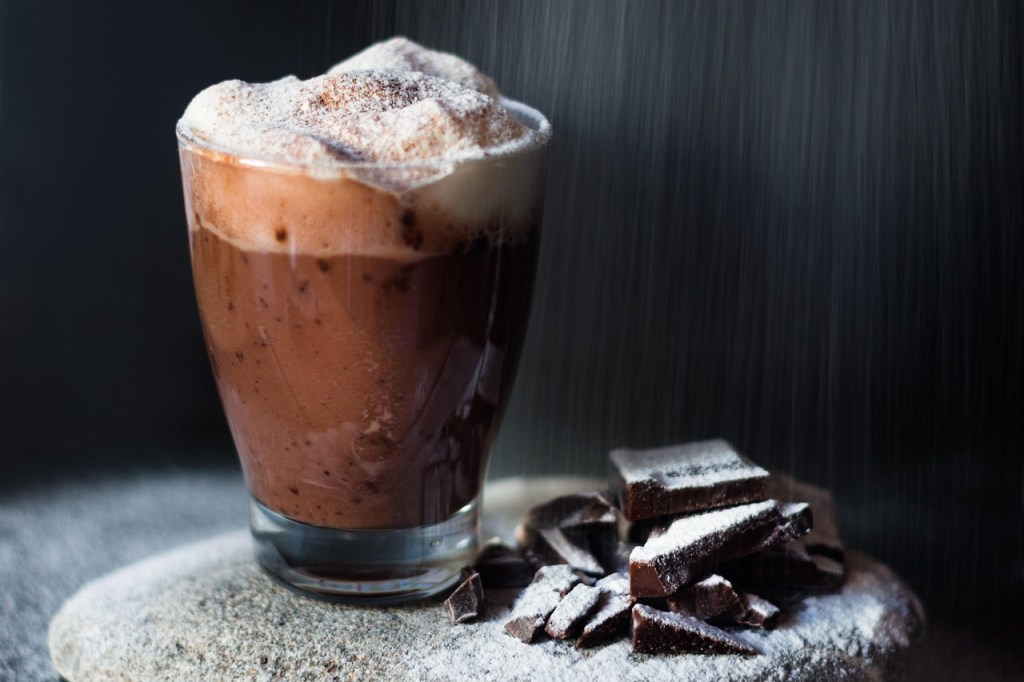
    Salt, Ink & Soul Hot Chocolate Recipe

    Simple. Comforting. Winter-warm.

    Ingredients

    • 2 cups whole milk (or oat/almond milk)
    • 2 tbsp unsweetened cocoa powder
    • 2 tbsp sugar (add more if you like it sweeter)
    • ¼ tsp vanilla extract
    • Pinch of salt
    • Optional:
      • 2 tbsp milk chocolate or semi-sweet chocolate chips
      • Cinnamon
      • Whipped cream
      • Marshmallows
      • A light dusting of cocoa on top

    Instructions

    1. Warm the Milk

    Warm the milk in a small saucepan over medium heat until it steams but does not boil.

    2. Mix the Cocoa + Sugar

    In a bowl, whisk the cocoa powder and Sugar with 2–3 tablespoons of warm milk to create a smooth paste.

    (This keeps it from clumping.)

    3. Combine

    Pour the cocoa paste into the warm milk. Whisk until fully dissolved.

    4. Add Vanilla + Salt

    Stir in the vanilla extract and a pinch of salt.

    (Yes — the salt matters. It deepens the chocolate flavor.)

    5. Optional Upgrade

    Add chocolate chips and stir until melted for a richer cup.

    6. Serve Warm

    Top with marshmallows, whipped cream, cinnamon, or drink it simply as it is.

    New Mexico Twist (Optional)

    • Add a tiny pinch of red chile powder for warmth.
    • Or grate in a little Mexican chocolate (Abuelita or Ibarra).

    Notes

    This recipe makes 2 cozy mugs — perfect for a winter movie night, a moment of stillness, or a slow Saturday morning.

    Kyle J. Hayes

    kylehayesblog.com

    Please like, comment, and share

    Resources for Hard Times

    If you’re looking for practical help, food support, or community resources, you can visit the Salt, Ink & Soul Resources Page.
    👉 Resources for Hard Times

  • $10 Thanksgiving Recipes — A Collection for When Enough Has to Be Enough

    $10 Thanksgiving Recipes — A Collection for When Enough Has to Be Enough

    Salt, Ink & Soul — Humanity Through Food Series

    There’s a quiet truth most folks swallow whole and never speak aloud: Thanksgiving isn’t easy for everyone.

    Some years, the money lines up just right — the fridge humming with possibility, the pantry stacked like a promise. Those are the years when abundance feels almost ordinary, when the table groans under the weight of dishes you didn’t have to second-guess.

    And then there are the other years.

    The years when the math hits different.

    Not the math they teach in school — but the arithmetic of survival.

    The kind done in a grocery aisle with your thumb tapping the side of a dented shopping cart as you tally what can stretch, what can substitute, what can pass for tradition. The kind of math where you aren’t calculating calories or flavor — you’re calculating hope.

    Because “enough” is a slippery thing.

    Some years it looks like a feast.

    Some years, it looks like a single plate made with intention.

    And some years — the hardest ones — it looks like a meal pieced together from whatever you can afford, prayed over not because it’s sacred, but because you’re scared.

    This collection is for those years.

    Not the curated, photographed, performative holidays.

    Not the spreads built for Instagram or the tables where extra plates are laid out just for show.

    These recipes belong to the years of holding on — the years of stretching dollars, stretching ingredients, stretching yourself. The years when you’re trying your best to make Thanksgiving happen with whatever life hasn’t taken from you.

    These dishes aren’t glamorous.

    But they are honest.

    They are warm.

    They are filling.

    And they work.

    All under $10.

    All built from the basics.

    All crafted to taste like something even when the world feels like nothing.

    Let’s begin.

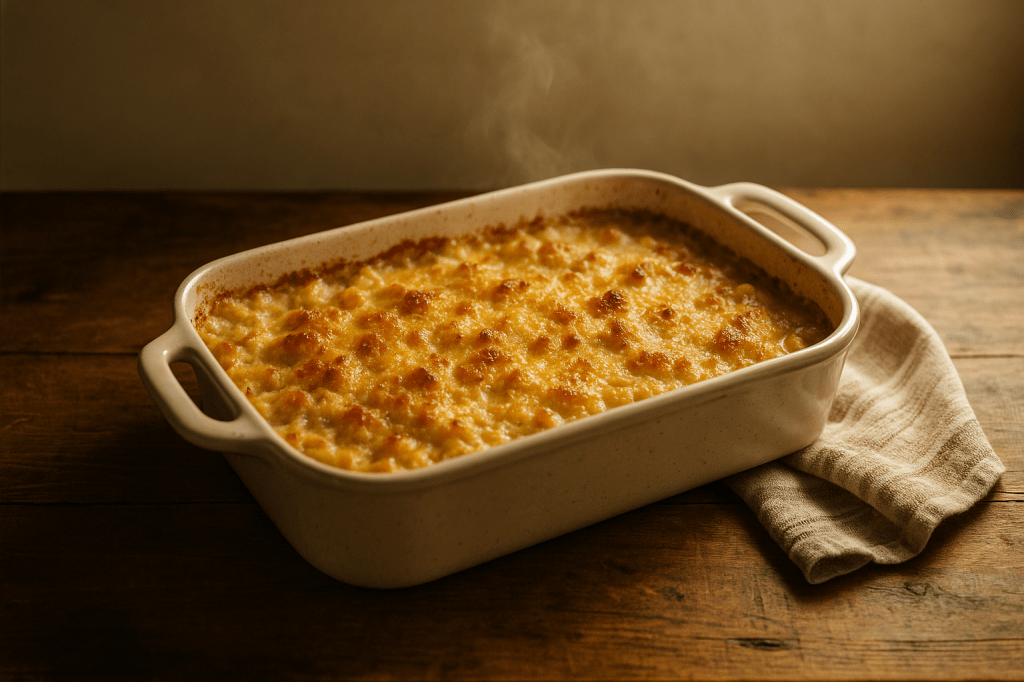
    1. $8 Creamy Turkey (or Chicken) Rice Bake

    A one-pan salvation dish — simple, reliable, and the kind of comfort that tastes like someone finally putting a hand on your shoulder and saying, You made it through another day.

    Ingredients ($8 total)

    • 1 can cream of chicken soup — $1.25
    • 1 cup uncooked rice — $0.60
    • 1 can mixed vegetables — $0.95
    • 1 cup shredded chicken or turkey (rotisserie leftovers work) — ~$3
    • Water + salt + pepper
    • Optional: garlic or onion powder — $0.30

    Instructions

    1. Combine all ingredients in a small baking pan.
    2. Add 1 can of water, stir, and cover with foil.
    3. Bake at 375°F for 45 minutes.
    4. Let it rest for 10 minutes to thicken.

    It won’t win any culinary awards — but on a cold Thanksgiving evening, it tastes like relief.

    2. $9 Sweet Potato Holiday Mash

    Cheaper than pie. Softer than memory. Warm enough to feel like love even when love has been scarce.

    Ingredients ($9 total)

    • 3 large sweet potatoes — $2.50
    • ¼ stick butter — $0.50
    • ¼ cup brown sugar — $0.40
    • Cinnamon — $0.25
    • Salt — $0.05
    • Mini marshmallows (optional, but they help) — $1.50
    • Milk — $0.30

    Instructions

    1. Peel and boil sweet potatoes until soft.
    2. Mash with butter and a splash of milk.
    3. Add brown sugar, salt, and cinnamon.
    4. Bake at 375°F for 10 minutes, with marshmallows if you have them.

    A reminder that sweetness still exists — even in lean years.

    3. $7 Holiday Green Bean Casserole

    Because sometimes the holiday isn’t the turkey at all — it’s the sides that taste like the homes we came from.

    Ingredients ($7 total)

    • 2 cans green beans — $2
    • 1 can cream of mushroom soup — $1.25
    • Fried onions (store brand) — $2
    • Salt + pepper — $0.10
    • Splash of milk or water

    Instructions

    1. Mix everything except the fried onions.
    2. Spread into a baking dish.
    3. Bake 20 minutes at 375°F.
    4. Top with fried onions and bake for 5 more minutes.

    It tastes like crowded kitchens, clattering pans, and the laughter that lived between generations — imperfect, but familiar.

    4. $5 Cornbread Stuffing

    Simple. Cheap. Stretchable. A dish that feels like it’s been passed through hands that learned to make magic from almost nothing.

    Ingredients ($5 total)

    • 1 box cornbread mix — $1
    • 1 egg — $0.20
    • Water or milk
    • ½ onion (optional) — $0.35
    • Butter — $0.50
    • Chicken bouillon cube — $0.20
    • Celery (optional) — $0.40

    Instructions

    1. Bake cornbread and crumble into a bowl.
    2. Sauté onions and celery in butter if you have them.
    3. Add 1 cup hot water + bouillon.
    4. Mix and bake for 15 minutes.

    Even the simplest things can feel like a holiday when you’re trying your best.

    5. $10 One-Pot Holiday Pasta

    A reimagined Thanksgiving for nights when you need a full stomach more than perfection.

    Ingredients ($10 total)

    • 1 lb pasta — $1.25
    • 1 can chicken — $2
    • 1 can of peas — $1
    • 1 can cream of chicken soup — $1.25
    • Garlic powder — $0.25
    • Parmesan shaker — $2
    • Salt + pepper

    Instructions

    1. Boil pasta.
    2. Drain and stir in remaining ingredients.
    3. Heat on low until creamy.

    Not quite turkey and gravy — but warm enough to soften the edges of the day.

    A Final Thought

    Thanksgiving was never meant to be a performance.

    It was meant to be a moment — a pause — where we gather whatever we have and honor it.

    Some years, that’s a table full of abundance.

    Some years, it’s one humble dish lit by the dim light of a kitchen bulb.

    But meaning does not require excess.

    Gratitude does not require plenty.

    These meals are for the years when you build Thanksgiving out of the little you have — and still manage to carve out something like hope.

    Because “enough” doesn’t come from abundance.

    It comes from presence, memory, and the quiet prayer that next year will be kinder than this one.

    Kyle J. Hayes

    kylehayesblog.com

    Please like, comment, and share

    Resources for Hard Times

    If you’re looking for practical help, food support, or community resources, you can visit the Salt, Ink & Soul Resources Page.

    👉 Resources for Hard Times

  • The Price of Hunger

    The Price of Hunger

      I’ve been thinking about what things cost—and not the kind you swipe a card for. I mean the deep arithmetic of living in a country where a cell phone plan can be unlimited, but food is not. Where the signal is strong, but the pantry is weak. Where the glow of a screen lights up a car window because that car has become a home.

    Almost everyone I know carries the world in their pocket. You can stream news of wars, scroll through lives curated to look full, and order meals you can’t afford to make. You can stay endlessly connected and still be utterly alone. The internet promised us closeness, but it delivered distraction. It can be a tool, yes—a way to organize, inform, share—but more often it steals the most human thing we have: presence.

    We’ve mistaken communication for connection. And in the process, we’ve forgotten what togetherness feels like.

    Yet hunger—real hunger—has a way of bringing humanity back into focus.

    When the cupboards empty and the paychecks stop, when storms tear down homes or fires erase entire neighborhoods, something ancient stirs in us. The same thing that once made neighbors knock on doors with covered dishes, or gather in church basements with ladles and folding chairs. In the worst times, people still find their way to one another. Hunger is cruel, but it’s also clarifying. It reminds us that survival was never meant to be a solo act.

    After disasters—after hurricanes, blackouts, floods—it’s always the same. People cook what’s left on their grills before the food spoils. They feed whoever shows up. They offer coffee, blankets, and soup. They don’t check a person’s party affiliation before pouring them a bowl. The same is true every day in quieter ways—at food banks, shelters, and community kitchens. The volunteers who show up to serve a hot meal aren’t there for headlines. They’re there because they remember what it’s like to need help.

    That’s the part we don’t talk about enough. The grace in hunger. The way it exposes the seams of a society, yes, but also the threads that still hold it together.

    We live in a nation where internet access is often cheaper than dinner. Where people can scroll for hours, but can’t afford eggs. Where the hunger of the people becomes another talking point, tossed around by politicians who will keep getting paid, even through shutdowns. They talk about “the economy” as if it were a creature separate from the hungry people. But I’ve never seen a spreadsheet feed a child.

    This isn’t the first time America has been hungry. We’ve seen breadlines stretch through city blocks and soup kitchens spring up in church basements. The difference now is distance. We’ve grown disconnected—not just from each other, but from the skills and spirit that carried those before us through hard times. They knew how to make a little stretch far. They understood that sharing wasn’t charity—it was a matter of survival.

    It may be time we remembered.

    When I write about food, I’m not writing about recipes; I’m writing about ritual. The act of caring. The alchemy of turning scarcity into sustenance. Bread from four ingredients. Beans with patience and salt. Casseroles that forgive substitutions. Meals that stretch and still have enough to share. These are more than thrift; they’re gestures of faith.

    But hunger asks something deeper than budgeting—it asks who we are when faced with someone else’s emptiness.

    Do we scroll past, or do we look up? Do we hoard, or do we serve? Do we build walls of data or bridges of care?

    The truth is, despite our wealth and connectivity, hunger remains what still binds us. It humbles us. It makes neighbors out of strangers. It reminds us that no matter how digital the world becomes, nothing replaces the sound of a shared meal—plates clinking, chairs scraping, laughter mixing with steam.

    That’s the humanity the internet can’t replicate. The kind that can’t be uploaded, only witnessed.

    So the answer to hunger begins not with politics or algorithms, but with presence. Remembering that someone, somewhere, is hungry tonight—and that we still have the power to feed them, even if only with our time, our attention, our company.

    The price of hunger isn’t just food insecurity; it’s the loss of empathy, the forgetting of our collective pulse. But it’s not too late to remember the rhythm.

    Because the thing about hunger—the painful, human truth—is that it teaches us what the internet can’t: that we were never meant to eat, to live, or to heal alone.

    Kyle J. Hayes

    kylehayesblog.com

    Please like, comment, and share

    If this reflection spoke to you, I invite you to explore the rest of the Humanity Through Food collection — stories of endurance, community, and the quiet grace of making “enough” in uncertain times.

    Each piece is a reminder that food is never just food — it’s a memory, a means of survival, and the most human act of all: sharing.

    Bread, Memory, and the Price of Enough

    How the simplest ingredients teach us what we’ve forgotten about patience and provision.

    The Weight of Enough – The Evolution of Survival Food

    A $10 casserole that became a symbol of family resilience and ingenuity.

    Nothing Wasted – The Grace of Leftovers

    A reflection on thrift, gratitude, and the sacred art of using what remains.

    Resources for Hard Times

    If you’re looking for practical help, food support, or community resources, you can visit the Salt, Ink & Soul Resources Page.
    👉 Resources for Hard Times

  • A Veterans Day Reflection

    A Veterans Day Reflection

    Lately, this space has been about doing what I can — small things, quiet things. Writing about food that costs less but still feeds fully. Reminding people that hard times have come before, and somehow, we made it. Trying to turn memory into a map, so maybe others can find their way through their own lean seasons.

    But today, I want to turn that attention outward — toward a different kind of endurance. Toward a group of people who also know what it means to do what they can — and often, far more. The ones who gave years, limbs, sanity, and sometimes everything, in the name of something larger than themselves.

    We set aside a day for them — Veterans Day — meant to honor those who served this country and, in too many cases, came home carrying its invisible weight. We say “thank you for your service,” and we mean it, most of us. But I keep wondering if that’s all we’ve learned to say.

    You don’t have to look far to see the contradiction: a country that never stops telling itself that it leaves no one behind, and yet, at almost every intersection, you can see someone it did. Veterans sleeping under bridges. Holding cardboard signs. Waiting at food pantries. People who once trained to survive in the most hostile places on earth are now fighting to survive at home.

    Yes, there are programs. Yes, there are benefits. But if you’ve ever stood in line at the VA or talked to someone navigating that system, you know the difference between what exists and what works.

    I’m not here to offer solutions. I don’t have them. I don’t know how to fix the machinery of a government that can spend billions on war but seems to run out of compassion on the return trip. What I know are smaller things — human things. I know how to say thank you. I know how to feed someone. I know how to remember.

    And maybe that’s something, even if it isn’t enough.

    When I write about food, I’m really writing about survival — about how we keep going when everything feels stripped bare. And in a way, that’s what veterans know better than anyone. They know how to keep moving through the noise. How to turn discipline into a ritual. How to make meaning in the middle of chaos. They’ve done it for us, even when we didn’t deserve it.

    The stories I tell, about stretching enough to feed a family — they’re small, domestic wars of endurance. Theirs were louder, bloodier, lonelier. But the lesson is the same: survival costs something, and someone always pays.

    I think about the phrase “thank you for your service.”

    How tidy it sounds. How quick. It fits easily into conversation, into tweets, into holiday speeches. But behind that politeness are pieces of people scattered across decades — the ones who never came back, and the ones who did, but not completely.

    I don’t have parades or medals to give.

    I have words — small, imperfect ones, but offered with weight.

    To every man and woman who served — thank you. For your strength, your sacrifice, your impossible patience. For doing what many couldn’t or wouldn’t.

    And to those still fighting their own wars at home — for housing, for healthcare, for peace of mind — I see you. I don’t have answers, but I have recognition. I have gratitude. And I have the conviction that we can do more, that we must do more, for a country that still calls itself free.

    So today, I’ll do what I can — remember, write, feed whoever I can reach.

    Because service shouldn’t end when the war does.

    Kyle J. Hayes

    kylehayesblog.com

    Please like, comment, and share

    Resources for Hard Times

    If you’re looking for practical help, food support, or community resources, you can visit the Salt, Ink & Soul Resources Page.
    👉 Resources for Hard Times

  • Nothing Wasted – The Grace of Leftovers

    Nothing Wasted – The Grace of Leftovers

    I grew up in a house where tomorrow lived in the refrigerator—stacked in mismatched containers, labeled only by memory and love. We didn’t have much, so we learned to keep what we had. A pot cooled on the stove like a promise. A slice of bread wrapped in a paper towel felt like insurance against whatever the next day might bring.

    So when I hear people say they don’t eat leftovers—say it like a flex, like the world owes them a fresh performance every night—I don’t understand. Why throw away another lunch, another midnight snack, another chance to make something out of almost nothing? Where I’m from, waste isn’t just waste. It’s disrespect—to the hands that cooked, to the hours that earned the money, to the hunger we remember even when our plates are full.

    Leftovers carry a particular kind of grace. They’re proof that somebody planned ahead, that care was stretched across time. They’re the echo of yesterday’s effort, still singing. And yes—I still cook too much on purpose. Because there’s a relief in opening the door after a heavy day and finding your own kindness waiting for you in a glass dish.

    The world will tell you that food is a spectacle, a one-night show with a Michelin curtain call. But in the kitchens where I learned, food was a continuum. It traveled: pot to plate to container to skillet to lunchbox to after-school bowl. It got better with time, the way beans deepen and soups settle into themselves. The trick wasn’t reinvention for the sake of reinvention. It was respect.

    Here’s what I’ve learned about the second life of supper—the way a meal can keep feeding us if we let it.

    Second Lives (How I use Leftovers)

    Bread

    • Day 2: Toast with a swipe of butter and a little salt.
    • Day 3: Croutons (cube, oil, bake) or breadcrumbs (dry, blitz, jar).
    • Day 4: Bread pudding—milk, eggs, a handful of raisins; Sunday morning becomes gentler.

    Roast Chicken or Baked Thighs

    • Night after: Shred into tacos or quesadillas with onions and a squeeze of lime.
    • Lunch: Chicken salad with whatever’s around—celery, apple, a spoon of yogurt or mayo.
    • Final act: Simmer bones with onion ends and carrot stubs to create a stock that tastes like patience.

    Rice

    • Day after: Fried rice—egg, scallions, soy, any lonely vegetables.
    • Or fold into soup to make it stick to your ribs.
    • Or press into a pan with oil for a crispy rice cake topped with a soft egg.

    Beans

    • Next day: Blend half for a quick refried spread; reserve the other half whole.
    • Stretch: Chili with whatever ground meat (or none), or spoon over toast with hot sauce.
    • Last stop: Bean soup—stock, garlic, a heel of Parmesan if you’ve got it.

    Roasted Vegetables

    • Breakfast: Hash in a skillet with an egg on top.
    • Bowl life: Toss with greens and grains; finish with vinaigrette.
    • Soup move: Blitz with warm stock, then drizzle with olive oil and a sprinkle of pepper.

    Pasta & Sauce

    • Baked life: Mix with a spoon of ricotta or cottage cheese, top with breadcrumbs, and bake.
    • Pan-fry in a little olive oil until the edges crackle; suddenly, the old becomes new.

    Casseroles

    • Next day slice: Reheat in a skillet with a little butter for crisp corners and a better story.
    • Croquettes: Mash, bread, pan-fry—humble gold.

    Steak, Pork Chops, or Sausage (leftover bits)

    • Fried rice, breakfast hash, or quick tacos with pickled onions.
    • Tiny pieces become flavor—sprinkled into greens or beans like punctuation.

    The Scraps

    • Herb stems → chimichurri or stock.
    • Parmesan rinds → soup.
    • The last spoon of jam → vinaigrette with vinegar and oil.
    • Pickle brine → marinade for chicken, or a bracing splash in potato salad.

    The Quiet Rules (Because Respect Is Also Safety)

    Cool food within two hours. Store in shallow containers.

    Most cooked dishes: 3–4 days in the fridge; many soups and casseroles freeze up to 2 months.

    Reheat until steaming—not just warm, but honest. Label and date so that in the future you don’t have to guess.

    The Weeklong Buffet We Call Thanksgiving

    Thanksgiving is the high holy day of leftovers—the only time Americans brag about cold turkey like it’s a love language. The fridge becomes a geography: stuffed with hills, cranberry lakes, and green-bean valleys. We start with the classic sandwich—turkey, dressing, gravy, maybe that scandalous swipe of cranberry—and then we get clever:

    • Turkey pot pie with leftover vegetables and gravy, topped with a quick crust.
    • Stuffing waffles pressed in the iron, crowned with a runny egg.
    • Mashed potato pancakes—crisp outside, forgiving inside.
    • Bone broth that warms the house for days.

    Thanksgiving teaches what the year forgets: abundance is not a single meal but a stretch of days made tender by forethought.

    When people say they won’t eat leftovers, I hear a kind of amnesia. I hear a forgetting of the hands that peeled, stirred, salted, tasted. I hear a forgetting of the mile between hunger and relief. In my kitchen, we don’t forget. We reheat. We revive. We say thank you twice.

    Because leftovers aren’t the past. They’re the persistence of care.

    They are proof that enough can last, if we let it.

    And in a life that asks so much of us, there’s no virtue more radical than refusing to throw away what still has love to give.

    Kyle J. Hayes

    kylehayesblog.com

    Please like, comment, and share

    Resources for Hard Times

    If you’re looking for practical help, food support, or community resources, you can visit the Salt, Ink & Soul Resources Page.
    👉 Resources for Hard Times

  • The Weight of Enough – The Evolution of Survival Food

    The Weight of Enough – The Evolution of Survival Food

      I remember coming home from school, kicking off my shoes by the door, and walking into the kitchen to find a pot of beans soaking in the sink. That image never left me. It was more than just food preparation—it was a message written in silence. It said, We’re making it work. It said, We may not have much, but we have a plan.

    Back then, in houses filled with too many people and too few dollars, meals weren’t about individual plates or balanced portions. There wasn’t a “starch, meat, and vegetable” arrangement like you see on cooking shows now. There was one pot. One pan. One chance to stretch a few ingredients into something that felt like home.

    Large families, tight budgets, and long days demanded creativity. You learned to make things that filled the space—both in the belly and in the heart. And that’s where casseroles came in. They were the unsung heroes of survival: layered, forgiving, endlessly adaptable. Casseroles didn’t judge you for being poor. They rewarded you for being resourceful.

    Everyone had their version. Some made them creamy with soup and cheese; others baked them dry and crisp on top. You could throw in whatever you had—no shame, no rules. Maybe that’s why I still love them. They remind me that abundance isn’t about what’s on the table—it’s about who’s gathered around it.

    Even now, I see casseroles for what they are: a working-class masterpiece. Budget-friendly, easy to make, and rich in the kind of flavor only struggle can season. They fed the tired, the hopeful, and the ones just trying to get through another week. They turned scarcity into comfort, and comfort into something close to gratitude.

    And among them all, one dish reigns supreme—The tuna casserole.

    There’s nothing glamorous about it. Just noodles, canned tuna, soup, and maybe a handful of frozen peas if you had them. But when it came out of the oven—bubbling, golden, smelling faintly of warmth and memory—it was enough. Enough to feed five. Enough to quiet the noise of hunger. Enough to make the world, for a few minutes, feel merciful.

    It wasn’t luxury that kept us going; it was the quiet faith that one can of tuna, a few noodles, and some love could be enough. Even now, it still is. For less than ten dollars, you can make a meal that hums with history—a dish that has fed generations without needing more than it asks for.

    That’s what I think about now, every time I pull a casserole from the oven. The weight of the pan in my hands feels heavier than it should. Maybe it’s not just the food—it’s the memory, the repetition of an act passed down from one generation to the next. Each time we stir, layer, and bake, we’re participating in something bigger than the recipe.

    We’re reminding ourselves that we come from people who made enough from almost nothing.

    And that, even in times like these, might be the most nourishing meal of all.

    This piece is part of The $10 Meals Collection—The recipes and reflections that sustained us when the world gave us little. Because food, at its best, has never been about wealth—it’s been about survival, love, and the quiet grace of making enough.

    Kyle J. Hayes

    kylehayesblog.com

    Please like, comment, and share

    Resources for Hard Times

    If you’re looking for practical help, food support, or community resources, you can visit the Salt, Ink & Soul Resources Page.

    👉 Resources for Hard Times

  • Bread, Memory, and the Price of Enough

    Bread, Memory, and the Price of Enough

    There were five of us—three girls and two boys—and we were poor. The kind of poor that leaves fingerprints on your adulthood. Back when “food stamps” weren’t digital cards but booklets you tore from and handed to the cashier like confessions. We weren’t the only ones, though it sometimes felt that way. Poverty has a way of isolating you, even when the whole block is living on the same prayer.

    Back then, families were closer. Sunday dinners were sacred, not just for the food but for the ritual of it. You could smell a neighborhood coming alive—collard greens wilting slowly on one stove, beans softening on another, cornbread baking somewhere down the street. These weren’t meals for show. They were meals that stuck to your ribs—food that held you up when money couldn’t. The kind of food that whispered, You’ll make it another week.

    Now, everything feels fragile. Groceries cost more than rent used to. People work two jobs and still stand in lines that stretch around food banks. The price of “enough” keeps climbing, and somehow, we’re supposed to just keep smiling through it.

      And with this government shutdown—when paychecks stop, and benefits are frozen—it’s hard not to feel that same hollow echo in the stomach that so many of us grew up with. You start to realize how close the edge really is, and how many are already there.

    We have celebrity chefs and cooking competitions, but fewer people know how to create something from almost nothing. Food has become entertainment instead of education. We scroll past videos of perfectly plated dishes while families debate whether to buy milk or gas. Somewhere between delivery apps and drive-thrus, we forgot how to feed ourselves.

    Maybe the answer isn’t some new system or trend. Perhaps it’s about remembering what our grandparents knew—the art of stretching a dollar, of savoring time itself, and learning to make the basics again. Bread. Beans. Rice. The things that built us.

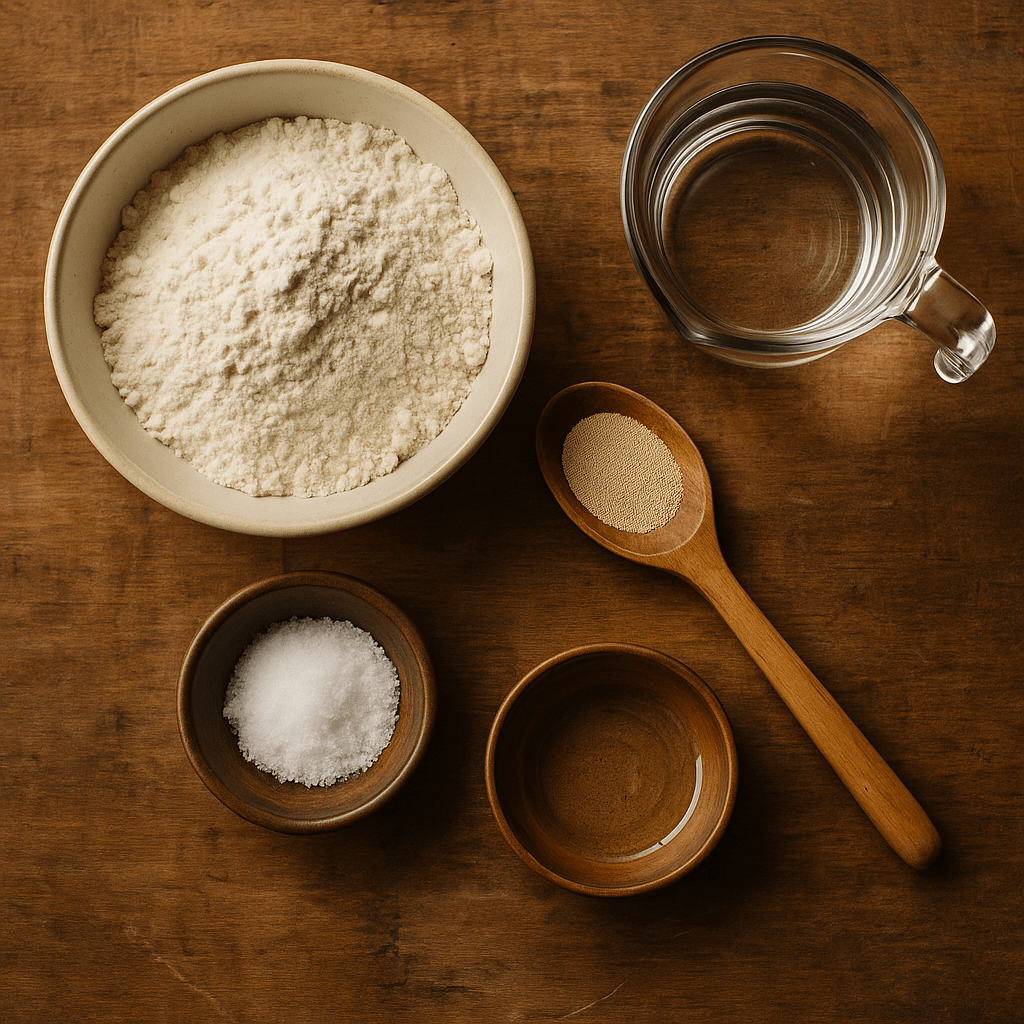
    Because bread isn’t just flour, salt, yeast, and water, it’s patience. It’s a skill born from necessity. It’s history kneaded into muscle memory. Once you have the supplies, it’s cheaper than store-bought—and better for you, body and spirit alike. I’ve found that unfortified flour—the kind left untouched by additives—makes a difference. It’s raw, honest, and stripped down to its true essence.

    That’s what we need more of now.

    Less enrichment, more essence.

    Less spectacle, more survival.

    Learning to make the basics again might not fix everything, but it’s a start—a quiet way of reclaiming control in a world that continually raises the price of dignity. Because the table, when it’s full of simple food and shared stories, still has a kind of wealth that can’t be counted.

    And maybe that’s what it really means to eat something that sticks to your ribs.

    If you want to start anywhere, start with bread. The most basic bread is humble—just flour, salt, yeast, and water: no milk, no butter, no sugar. You stir, you wait, you fold. You give it time to rise, and it teaches you patience in return. Baked until golden and stiff on the outside, soft and honest on the inside. Tear it apart while it’s still warm, and you’ll understand why people around the world have made it for centuries. It’s not about luxury—it’s about survival, about care, about transforming the simplest things into something that sustains.

      And in moments like this—when uncertainty feels like the new normal—maybe that kind of bread, bare and honest, isn’t just food. Perhaps it’s a reminder that we’ve been here before and we made it through.

    Kyle J. Hayes

    kylehayesblog.com

    Please like, comment, and share

    Note from the Author:

    If this reflection stirred something in you — that quiet urge to create, to remember, to feed — you can start where I did: with bread.

    I’ve shared the simplest recipe I know, one that costs little and teaches much.

    👉 The Most Basic Bread Recipe

    Four ingredients. A little patience.

    And a reminder that even in hard times, we can still make enough.

    Resources for Hard Times

    If you’re looking for practical help, food support, or community resources, you can visit the Salt, Ink & Soul Resources Page.

    👉 Resources for Hard Times

  • The Most Basic Bread

    The Most Basic Bread

    (Flour. Salt. Yeast. Water. Nothing else.)

    Ingredients

    • 3 cups (375g) unfortified all-purpose or bread flour
    • 1 teaspoon fine sea salt
    • ½ teaspoon active dry yeast
    • 1¼ cups (300ml) warm water (around 105–110°F / 40°C)

    Instructions

    1. Mix the Basics
    2. In a large bowl, combine the flour, salt, and yeast. Pour in the warm water and stir with a spoon or your hands until it forms a shaggy, sticky dough. Don’t overthink it—just bring it together.
    3. Rest and Wait
    4. Cover the bowl with a damp cloth or plastic wrap. Let it sit at room temperature for 12–18 hours. Time is your secret ingredient here—patience transforms the dough into something alive.
    5. Shape and Rest Again
    6. When the dough has doubled in size and is dotted with bubbles, scrape it onto a floured surface. Gently fold it over a few times, shaping it into a round loaf. Place it on parchment paper or a lightly floured towel, cover again, and let it rest for 1–2 more hours.
    7. Preheat and Bake
    8. Place a heavy pot with a lid (like a Dutch oven) into your oven and preheat to 450°F (230°C). When hot, carefully place your dough inside, cover, and bake for 30 minutes. Remove the lid and bake for an additional 10–15 minutes, until the crust turns a deep golden brown and becomes hard.
    9. Cool and Remember
    10. Let it cool before slicing—if you can resist the temptation. The crust will crackle, the inside will steam. Tear off a piece, hold it warm in your hands, and remember that this is what survival tastes like.

    Notes

    • If you only have instant yeast, reduce to ¼ teaspoon.
    • Whole wheat or rye flour can replace up to one-third of the white flour for more depth.
    • The flavor deepens overnight, just like the memory of meals that once held families together.

    This bread doesn’t ask for luxury—just time, trust, and a little hunger to remind you what’s real.

    Resources for Hard Times

    If you’re looking for practical help, food support, or community resources, you can visit the Salt, Ink & Soul Resources Page.

    👉 Resources for Hard Times