Tag: Theo Huxtable

  • The Notes Between the Lines

    The Notes Between the Lines

    One Year Later: Malcolm-Jamal Warner, Miles Long, and the Art of Seeing a Person

    There is something strange about anniversaries.

    They do not ask permission before arriving.

    A year ago, Malcolm-Jamal Warner left this world.

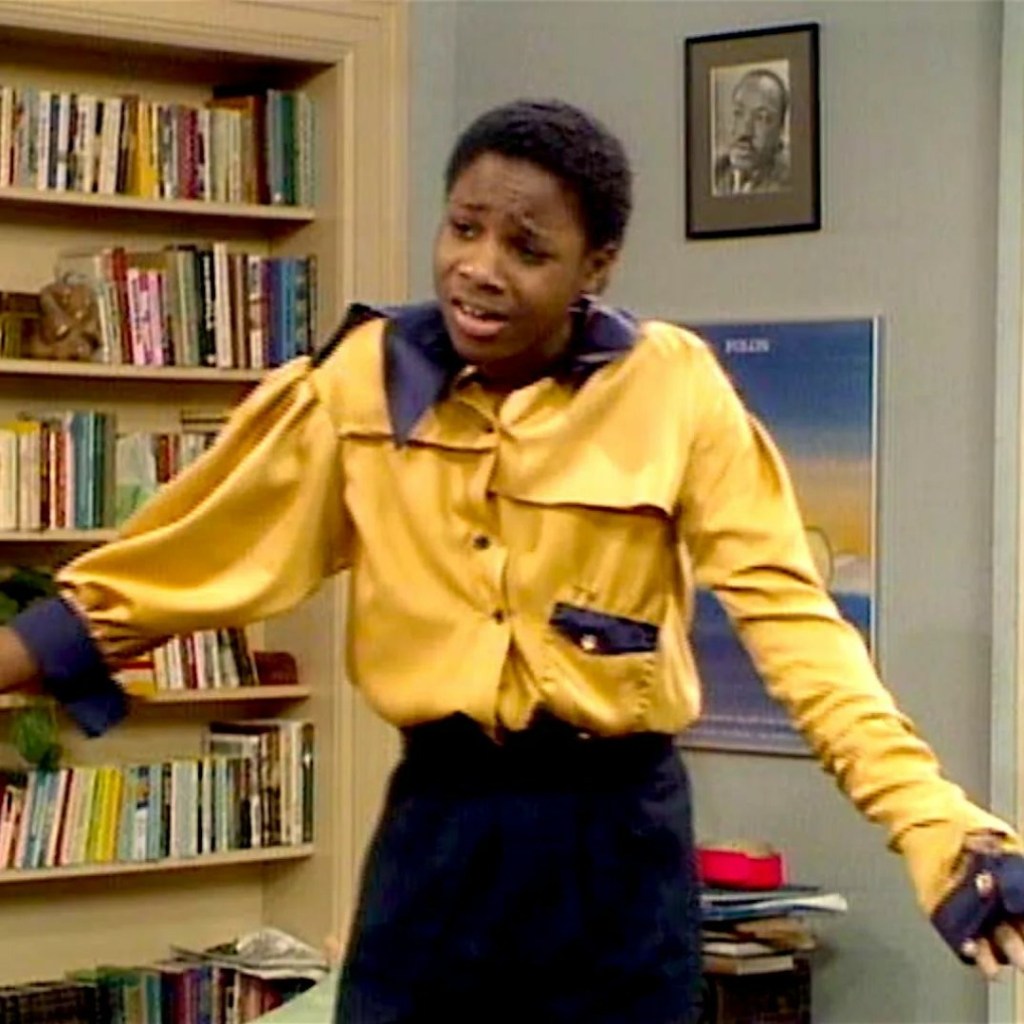
    Like so many people, I first knew him as Theo, not as a character, exactly, but as someone who quietly occupied a corner of my life. Week after week, he reminded us that growing up was awkward, that mistakes did not have to define us, and that being a young Black man could include gentleness, humor, uncertainty, and love.

    He became familiar.

    And familiarity has a way of convincing us we know someone.

    I have thought about that a great deal over this past year.

    When he died, I did what many of us do now. I searched.

    Not because I wanted headlines. I wanted something closer to the man than the memories television had given me.

    That search led me somewhere I never expected.

    Apple Music.

    I typed his name.

    That is where I found Miles Long.

    At first I wondered if it could really be him. Then I pressed play.

    What I discovered wasn’t simply another creative pursuit from an actor I admired.

    It was another language.

    The music carried the warmth of the records that raised many of us. Soul. Jazz. Hip-hop. Spoken word. Music that wasn’t trying to chase trends because it understood something more important.

    Truth never goes out of style.

    The grooves were patient.

    The bass never hurried.

    The lyrics trusted you enough to meet them halfway.

    They sounded like conversations that begin after midnight, when people finally stop pretending they’re fine.

    Listening to those songs felt less like discovering a new artist than discovering a room in a house I thought I already knew.

    And that realization stayed with me.

    How many people have I admired while never truly seeing them?

    How many lives have I reduced to the role they played in my own story?

    We often say we should give people their flowers while they’re here.

    But flowers are not enough if we never walk through the garden.

    Malcolm-Jamal Warner was never just the young man who helped redefine television. He was a poet. A musician. A thinker. A man still asking questions about love, identity, fatherhood, justice, and becoming.

    His work was larger than the spotlight.

    Maybe that is the lesson I have carried this past year.

    Most of us are more than the thing the world applauds us for.

    The teacher paints.

    The mechanic writes poetry.

    The grandmother who makes the best cornbread also carries stories no one has bothered to ask about.

    The quiet man in the corner may have spent decades composing songs no one in the room has ever heard.

    We spend our lives introducing ourselves through occupations.

    But our souls rarely fit inside a job title.

    A year later, I still return to Miles Long.

    Not because grief demands it.

    Because gratitude does.

    Those songs remind me to slow down.

    To look again.

    Rest well, Malcolm.

    Thank you for reminding us that the most beautiful parts of a person are often the ones waiting just beyond what everyone already knows.

    Kyle J. Hayes

    kylehayesblog.com

    Please like, comment, and share

    Resources for Hard Times

    If you’re looking for practical help, food support, or community resources, you can visit the Salt, Ink & Soul Resources Page.
    👉 Resources for Hard Times

  • Theo, Memory, and the Echo of Us:

    Theo, Memory, and the Echo of Us:

    A Reflection on the Life of Malcolm-Jamal Warner

    I was born somewhere between the echoes of soul and the static of the evening news. Gen-X, they call us—the in-between generation. Raised in the analog hush before the digital howl. We were the kids who watched the world through wood-framed Zenith televisions and learned the rhythm of our lives by what shows came on and when.

    For me, Thursday nights in the ’80s were sacred.

    I didn’t know it then, but I was being handed a blueprint—not perfect, not without fault, but something close to a possibility. The Cosby Show wasn’t just a sitcom; it was a cultural phenomenon. It was a seismic shift. A reimagining. A refusal.

    And right there, in the middle of it, was Malcolm-Jamal Warner. Theodore Aloysius Huxtable “Theo”.

    He was the older brother that many people didn’t have. The one who made mistakes but got up again. The one who was cool but also flawed. And most importantly, the one who was allowed to grow. To cry. To fail. To be seen.

    He was not a trope. He was a thread in the tapestry of our adolescence. In a world that rarely afforded young Black men emotional complexity, Theo existed as something softer than stereotype, something more human than punchline.

    Today, I heard that tragedy struck.

    And something inside me stopped. Not just for the man himself, but for what his presence meant. For what it awakened in me.

    I didn’t know Malcolm-Jamal Warner personally. But like many of us, I felt like I knew him. Because we watched him grow. From the 14-year-old kid with the sideways smile and nervous charm, to the man who—quietly, steadily—kept showing up for the culture, even when the cameras weren’t rolling.

    He wasn’t just Theo.

    He was Alex Reed in Reed Between the Lines, trying to reimagine Black fatherhood again—this time as a present, emotionally available, professional Black man navigating love, children, and the complexities of a blended family.

    He was Dr. AJ Austin on The Resident, standing in hospital scrubs, saving lives on-screen while continuing the legacy of representing us in spaces we are often denied in real life.

    He directed. He produced. He narrated. He spoke. And always—always—with that same centered, grounded presence. A voice that calmed. A gaze that carried weight.

    Off-screen, Malcolm gave just as profoundly.

    He spoke out on Black mental health before it was trendy, before the hashtags and the mental health awareness months. He lent his voice to poetry, to jazz, to Black men’s healing circles. He didn’t just want to be seen—he wanted to help others see themselves.

    He supported literacy programs, youth mentorship, and countless initiatives for young Black creatives—always with an emphasis on empowerment through self-awareness and discipline. Not flashy. Not for headlines. Just because it was right.

    When people discuss legacy, they often refer to its impact in an abstract sense. But for me, Malcolm-Jamal Warner’s legacy is personal. It’s quiet. It’s the way I felt seen, even when I didn’t know I was invisible.

    That we could joke without becoming jokes. That we could learn without being reduced to lessons.

    He reminded us that being cool didn’t mean being cold. That we could love our families and still carve our own paths. That we were enough.

    As I sit with the weight of this loss, I think about the strange intimacy of mourning someone you never met. It’s not celebrity worship. It’s not nostalgia.

    It’s something more profound.

    It’s about the ghosts we carry in our cultural memory. The people who shaped us when we didn’t yet have the language to understand how. The ones who offered their craft like a mirror. And dared us to look.

    So tonight, I light a candle for the boy I was. And for the man who helped him feel like maybe—just maybe—he could be more.

    To Malcolm-Jamal Warner: thank you for your grace. For your growth. For choosing to live in alignment with something bigger than applause.

    You were art. And anchor. And example.

    May your family find peace in the love you gave so generously.

    May your work echo long after the credits roll.

    May your name be spoken with the reverence it deserves.

    Please send Prayers for his family.

    —

    Kyle J. Hayes

    Please Like, comment, and share