Category: Practical Food

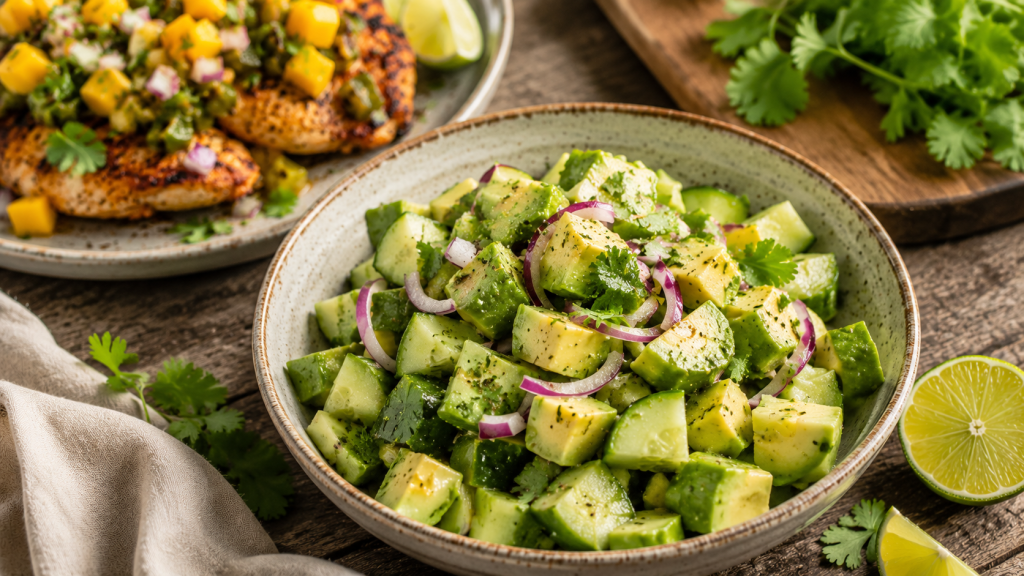
  • Avocado and Cucumber Salad

    Avocado and Cucumber Salad

    The Wisdom of Leaving Things Alone

    There is a temptation in cooking to keep adding.

    Another spice.

    Another sauce.

    Another ingredient that promises to improve something.

    Sometimes that instinct serves us well.

    Sometimes it ruins everything.

    The older I get, the more I appreciate restraint.

    A perfectly ripe avocado doesn’t need a committee meeting. A crisp cucumber doesn’t need to be disguised beneath layers of dressing and distraction. Good ingredients often arrive carrying everything they need.

    The real skill is knowing when to stop.

    That lesson extends far beyond the kitchen.

    We spend our lives trying to improve ourselves, improve our circumstances, improve our plans. Yet some of the best moments we experience come when we stop forcing things and simply appreciate what is already in front of us.

    This salad is built on that idea.

    Simple ingredients.

    Clean flavors.

    Nothing is hiding behind anything else.

    Just freshness, balance, and the quiet confidence that comes from knowing enough is enough.

    Avocado and Cucumber Salad

    Serves 4

    Ingredients

    • 2 ripe avocados, diced
    • 1 large cucumber, diced
    • ¼ cup red onion, thinly sliced
    • Juice of 1 lime
    • 1 tablespoon olive oil
    • Salt to taste
    • Freshly ground black pepper to taste
    • 1 tablespoon fresh cilantro, chopped

    Instructions

    Step 1: Prepare the Vegetables

    Dice the avocados into bite-sized pieces.

    Cut the cucumber into similar-sized pieces.

    Thinly slice the red onion.

    Place everything in a large bowl.

    Try not to overthink it.

    Uniformity is overrated.

    Step 2: Dress the Salad

    Add the lime juice, olive oil, cilantro, salt, and black pepper.

    Gently toss everything together.

    The goal is not to mash the avocado into submission.

    Treat it with a little respect.

    Step 3: Taste and Adjust

    Taste.

    Add another squeeze of lime if it needs brightness.

    A little more salt if it feels sleepy.

    Trust your instincts.

    Recipes are suggestions.

    Your tongue is the final authority.

    Step 4: Serve

    Serve immediately while everything is fresh and vibrant.

    This is not a dish that benefits from waiting around.

    Neither do many of life’s best moments.

    What to Serve Alongside

    This salad pairs beautifully with:

    • Green Chile Mango Salsa Chicken
    • Grilled fish
    • Black beans seasoned with garlic and cumin
    • Grilled zucchini and summer squash
    • A simple piece of crusty bread

    Nothing complicated.

    The salad already knows what it is.

    Closing Thought

    There is a strange kind of freedom that comes from realizing not everything needs improvement.

    Some things only need appreciation.

    A ripe avocado.

    A cool cucumber.

    A meal shared with someone you care about.

    An ordinary afternoon that turns out to be memorable for reasons you never saw coming.

    The world encourages us to chase more.

    The kitchen occasionally reminds us to recognize enough.

    And enough, when we’re paying attention, can be a beautiful thing.

    Kyle J. Hayes

    kylehayesblog.com

    Please like, comment, and share

    Resources for Hard Times

    If you’re looking for practical help, food support, or community resources, you can visit the Salt, Ink & Soul Resources Page.
    👉 Resources for Hard Times

  • Chocolate Chip Pancakes and the Gift of a Slow Morning

    Chocolate Chip Pancakes and the Gift of a Slow Morning

    Most mornings are negotiations.

    The alarm goes off. The clock starts ticking. Coffee becomes less of a pleasure and more of a survival tool. Breakfast is whatever can be eaten with one hand while searching for keys with the other.

    I understand that. Most of us do.

    There is nothing wrong with convenience. Some mornings require it. Life asks enough of us already.

    But every once in a while, a different kind of morning arrives. A morning without urgency. A morning that gives you an extra hour. A morning that reminds you that living and merely getting through the day are not the same thing.

    Those mornings deserve something better.

    Not a home version of fast food.

    Something made slowly enough that you can hear the batter sizzle when it hits the pan. Something that fills the kitchen with the smell of vanilla and butter. Something that reminds you that food is more than fuel.

    Today, that something is a stack of chocolate chip pancakes.

    Not because they are fancy.

    Because they are kind.

    Chocolate Chip Pancakes

    Serves: 4

    Ingredients

    Dry Ingredients

    • 2 cups (250g) all-purpose flour
    • 2 tablespoons monk fruit sweetener
    • 1 tablespoon baking powder
    • ½ teaspoon salt

    Wet Ingredients

    • 2 large eggs
    • 1¾ cups (420ml) milk
    • 4 tablespoons (57g) melted butter
    • 2 teaspoons vanilla extract

    Add-In

    • 1 cup (170g) Lily’s semi-sweet chocolate chips

    For Serving

    • Butter
    • Sugar-free maple syrup
    • Fresh strawberries or blueberries
    • Good-quality turkey sausage

    Instructions

    1. Make the Batter

    In a large bowl, whisk together:

    • Flour
    • Monk fruit sweetener
    • Baking powder
    • Salt

    In a separate bowl, whisk together:

    • Eggs
    • Milk
    • Melted butter
    • Vanilla extract

    Pour the wet ingredients into the dry ingredients and stir gently until just combined. A few lumps are perfectly fine.

    Fold in the Lily’s chocolate chips.

    2. Cook the Pancakes

    Heat a cast-iron skillet or griddle over medium heat.

    Lightly butter the cooking surface.

    Pour approximately ¼ cup of batter for each pancake.

    Cook until bubbles form on the surface and the edges begin to set, about 2 to 3 minutes.

    Flip and cook another 1 to 2 minutes until golden brown.

    Repeat until all batter has been used.

    3. Cook the Turkey Sausage

    While the pancakes are cooking, prepare your favorite turkey sausage according to the package directions.

    Whenever possible, choose a quality organic brand with ingredients you recognize. Not every meal needs to be made entirely from scratch. Good cooking is often about knowing where to spend your time. If buying a well-made turkey sausage gives you more time to enjoy a slow breakfast with your family, that sounds like a good trade to me.

    4. Serve

    Stack the pancakes high.

    Add a pat of butter.

    Drizzle with your favorite sugar-free maple syrup. Look for one sweetened with monk fruit or other modern sweeteners rather than one loaded with artificial ingredients.

    Add a few turkey sausage links or patties on the side.

    Scatter fresh berries around the plate.

    Take your time.

    The dishes can wait a little longer.

    Serving Suggestions

    Serve with:

    • Fresh strawberries, blueberries, or raspberries
    • Hot coffee
    • A glass of cold milk
    • A quiet kitchen
    • A slow morning

    The last two are optional, but they help.

    Cook’s Note

    One of the things I’ve learned is that eating well and eating joyfully do not have to be opposites.

    For years, many of us were told that healthier food had to feel like punishment. Less flavor. Less comfort. Less satisfaction.

    Thankfully, that’s no longer true.

    A few thoughtful ingredient choices—a quality sweetener, good chocolate, fresh fruit, and a little restraint—can create something that feels like a treat without turning Breakfast into dessert.

    The goal is not perfection.

    The goal is balance.

    Something delicious enough to look forward to and sensible enough to enjoy without regret.

    A Brief Word About Cast Iron

    If you cooked these pancakes in a cast-iron skillet, you’ve used one of the most reliable tools a kitchen can have.

    Cast iron does not ask for much, but it does ask for consistency.

    After cooking, wash the skillet with hot water and a brush or sponge. Dry it completely—water is the enemy of cast iron. Once dry, place it over low heat for a minute or two to ensure all moisture is gone.

    While the skillet is still warm, rub a very thin layer of oil over the cooking surface. Not enough to make it shiny or sticky. Just enough to protect it until the next meal.

    A well-seasoned cast-iron skillet is not bought. It is built.

    Meal after meal. Year after year.

    In a world that often encourages us to replace things, cast iron teaches a different lesson. Take care of something long enough, and it becomes better with age.

    The same is true of good tools, good friendships, and often ourselves.

    Kyle J. Hayes

    kylehayesblog.com

    Please like, comment, and share

    Resources for Hard Times

    If you’re looking for practical help, food support, or community resources, you can visit the Salt, Ink & Soul Resources Page.

    👉 Resources for Hard Times

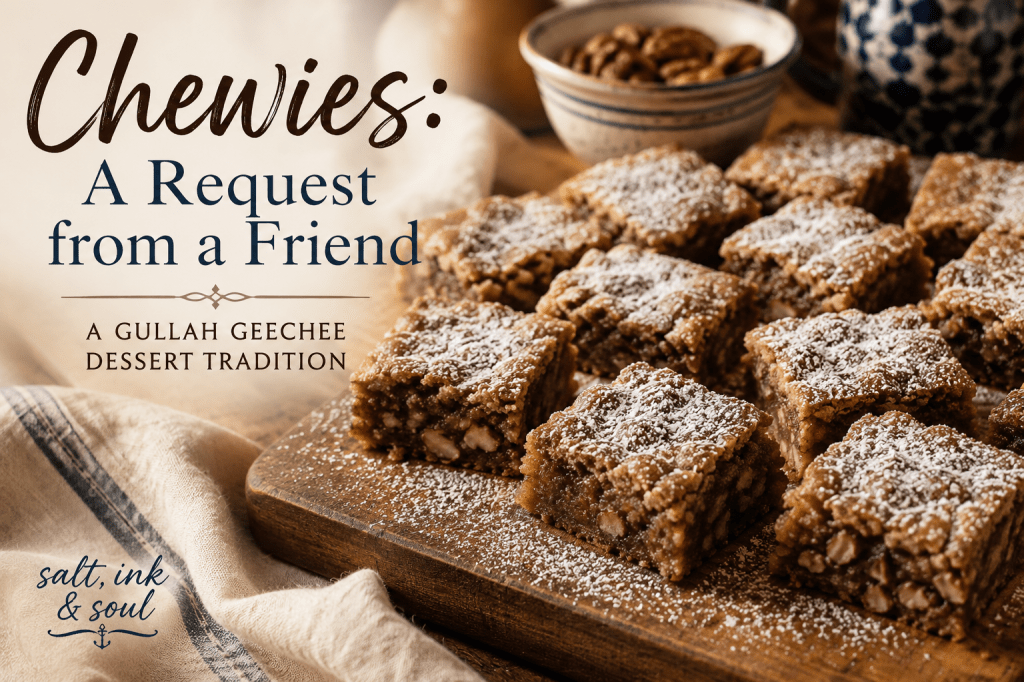
  • Chewies: A Request from a Friend

    Chewies: A Request from a Friend

    I made these Chewies at the request of a very dear friend, the same friend who encouraged me to write my first book when I wasn’t entirely sure I had one in me. Long before there was a blog, before there were essays about food and memory, she was one of the people who believed I had something worth saying.

    She lives in South Carolina, a place I sometimes think of as the Old South. Not because it is frozen in time, but because the past still lingers there—in the food, the stories, and the traditions that continue to find their way to the table.

    When she shared this recipe with me, I did what many of us do once we’ve reached a certain age. I looked at the ingredients and started counting risks instead of blessings.

    Butter.

    Brown sugar.

    More brown sugar.

    Pecans.

    I read the measurements and immediately began complaining about the health consequences of eating something this rich.

    She laughed.

    Not a polite laugh. Not a sympathetic laugh. The kind of laugh that comes from someone who already knows how the story ends.

    “You’ll love it,” she said. “You’ll probably eat the whole pan in one day.”

    I sincerely hope I don’t.

    These days, I try not to burden my closest friends with every ache, every doctor’s visit, or every reminder that time moves in only one direction. We all carry enough. I’d rather spend our conversations talking about books, grandchildren, old memories, and recipes passed from one hand to another.

    And that is what these chewies feel like to me.

    A gift.

    A reminder that friendship often arrives in simple forms. Sometimes it is a phone call. Sometimes it is encouragement when you’re afraid to begin. Sometimes it is a recipe shared across state lines with the confidence that you’ll understand why it matters once you take the first bite.

    Now, I still don’t believe these chewies qualify as healthy eating. In fact, after reading the ingredient list, I’m fairly certain they qualify as the exact opposite. But friendship requires sacrifice, and if my friend was kind enough to recommend this recipe to me, the least I can do is share it with others.

    So that is my plan.

    I will make a pan and share them with some friends, and we can all be unhealthy together.

    At our age, that may not be the wisest decision. But there is something to be said for sitting around a table with people you care about, laughing at old stories, sharing good food, and pretending not to notice who reached for the second piece first.

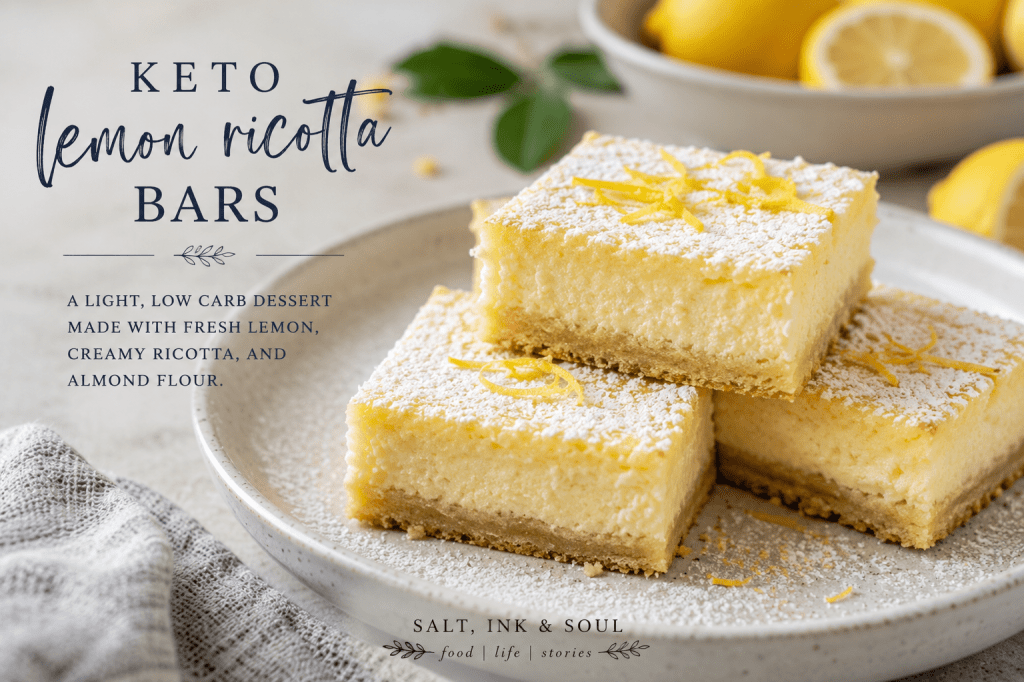
    Sweet, rich, unapologetic, and deeply rooted in the Gullah Geechee tradition, these chewies are the kind of dessert that reminds us that not every recipe was created to be healthy. Some recipes were created to bring people together, to celebrate, to comfort, and most of all, to be remembered.

    Gullah Geechee Chewies 

    Serves: 10–12

    Ingredients

    • 170 g unsalted butter
    • 660 g packed light or dark brown sugar
    • 3 large eggs, beaten
    • 7.5 mL vanilla extract (1½ teaspoons)
    • 360 g pecans, chopped
    • 375 g self-rising flour
    • 30 g powdered (confectioners’) sugar, for dusting

    Homemade Self-Rising Flour (375 g)

    If you don’t have self-rising flour, whisk together:

    • 375 g all-purpose flour
    • 18 g baking powder
    • 3 g fine salt

    Method

    1. Preheat the oven to 170°C.
    2. Grease either:
      • 23 × 33 cm baking dish for thicker chewies, or
      • 26.5 × 39 cm jelly-roll pan for thinner bars.
    3. In a medium saucepan, melt the butter over medium heat.
    4. Stir in the brown sugar until smooth and fully combined.
    5. Remove from the heat and allow the mixture to cool for a few minutes.
    6. Stir in the beaten eggs and vanilla extract.
    7. Fold in the chopped pecans.
    8. Add the self-rising flour and mix until just combined.
    9. Spread the batter evenly into the prepared pan.
    10. Bake:
      • 25 minutes for the jelly-roll pan, or
      • 40 minutes for the deeper baking dish.
    11. The edges should be golden brown and the center set. A skewer inserted into the center should come out slightly damp.
    12. Dust lightly with the powdered sugar.
    13. Allow the chewies to cool completely in the pan before cutting.
    14. For easier slicing, turn the slab out onto a cutting board and cut into squares.

    Cook’s Notes

    • Toast the pecans at 175°C for 8–10 minutes before chopping for a deeper flavor.
    • These chewies are even better the next day, when the flavors have had time to settle and deepen.
    • Traditional chewies should remain slightly fudgy in the center. Avoid overbaking; they will continue to set as they cool.

    Kyle J. Hayes

    kylehayesblog.com

    Please like, comment, and share

    Resources for Hard Times

    If you’re looking for practical help, food support, or community resources, you can visit the Salt, Ink & Soul Resources Page.
    👉 Resources for Hard Times

  • Baked Macaroni & Cheese

    Baked Macaroni & Cheese

    The Dish Everyone Watches

    Macaroni and cheese is one of those dishes that arrives at the table with expectations.

    In fact, when an important occasion is coming, one of the first questions people ask is, “Who’s making the Mac and Cheese?”

    Not whether there will be macaroni and cheese.

    Everyone already knows it is going to be there.

    The real question is who is bringing it.

    Because the moment a name is attached to that baking dish, the pressure is on.

    Families have standards.

    Church gatherings have standards.

    Cookouts, reunions, holidays, and Juneteenth celebrations all have standards.

    People might politely sample the potato salad. They might take a small spoonful of the greens. But when the macaroni and cheese arrives, everyone is paying attention.

    And everyone has an opinion.

    Too dry.

    Too runny.

    Not enough cheese.

    Too much cheese.

    Though if we’re being honest, I have never once heard anyone complain about too much cheese.

    Baked macaroni and cheese is more than a side dish. It is a tradition. A dish that appears at holidays, family reunions, church dinners, and celebrations. It is one of those recipes passed from kitchen to kitchen, often without measurements, guided more by memory than instruction.

    This version is rich, creamy, and baked until the top turns golden and beautiful.

    The way it should be.

    Ingredients

    For the Pasta

    • 450 g elbow macaroni
    • 15 g salt, for the pasta water

    For the Cheese Sauce

    • 60 g unsalted butter
    • 60 g all-purpose flour
    • 950 ml whole milk, warmed
    • 240 ml heavy cream
    • 5 g onion powder
    • 5 g garlic powder
    • 3 g smoked paprika
    • 5 g fine sea salt
    • 3 g freshly ground black pepper

    For the Cheese

    • 225 g sharp cheddar cheese, freshly grated
    • 225 g mild cheddar cheese, freshly grated
    • 170 g Monterey Jack cheese, freshly grated
    • 115 g mozzarella cheese, freshly grated

    For the Topping

    • 85 g sharp cheddar cheese, grated

    Directions

    1. Prepare the Pasta

    Bring a large pot of water to a boil and season it generously with salt.

    Cook the macaroni until just shy of al dente, about one to two minutes less than the package directions.

    Drain well and set aside.

    The pasta still has work to do in the oven.

    2. Make the Cheese Sauce

    Preheat your oven to 190°C.

    In a large saucepan, melt the butter over medium heat.

    Whisk in the flour and cook for about 2 minutes, stirring constantly. The mixture should smell slightly nutty but remain pale in color.

    Slowly pour in the warm milk and cream, whisking continuously until smooth.

    Add the onion powder, garlic powder, smoked paprika, salt, and black pepper.

    Continue stirring until the sauce thickens enough to coat the back of a spoon.

    3. Add the Cheese

    Reduce the heat to low.

    Reserve the topping cheese and add the remaining cheeses to the sauce, a handful at a time.

    Stir until completely melted and smooth.

    Take a moment here.

    A good cheese sauce deserves a little admiration.

    4. Bring It Together

    Add the cooked macaroni to the cheese sauce and stir gently until every piece is coated.

    Transfer the mixture to a lightly greased 23 x 33 cm baking dish.

    Sprinkle the reserved cheddar evenly across the top.

    5. Bake

    Bake uncovered for 25 to 30 minutes, or until the top is golden brown and bubbling around the edges.

    Allow the macaroni and cheese to rest for 10 minutes before serving.

    Patience is difficult here.

    Try anyway.

    Serving Suggestions

    Serve alongside:

    Or simply place it in the middle of the table and watch people gather around it.

    That tends to happen.

    Serves

    8–10

    From the Kitchen

    Every family seems to have a macaroni and cheese recipe.

    Some are written down.

    Some live only in memory.

    A pinch of this.

    A handful of that.

    Instructions measured by sight rather than by spoons.

    Maybe that is part of why dishes like this matter.

    They are more than food.

    They are evidence.

    Evidence that somebody showed up for the gathering.

    Evidence that somebody wanted everyone fed.

    Evidence that love sometimes arrives in a baking dish, golden on top and still warm from the oven.

    And if there are no leftovers, consider that a compliment.

    Kyle J. Hayes

    kylehayesblog.com

    Please like, comment, and share

    Resources for Hard Times

    If you’re looking for practical help, food support, or community resources, you can visit the Salt, Ink & Soul Resources Page.
    👉 Resources for Hard Times

  • Black-Eyed Peas & Sweet Corn Salad

    Black-Eyed Peas & Sweet Corn Salad

    Every summer, when the garden feels generous.

    The tomatoes finally ripen.

    The cucumbers seem to multiply overnight.

    Fresh herbs spill over the edges of their containers as if they have forgotten where they were supposed to stop growing.

    And the corn arrives.

    Sweet and bright, tasting like sunshine somehow found its way into a vegetable.

    This salad reminds me that some of the best summer meals do not require an oven, a grill, or much planning at all.

    Just a bowl.

    A knife.

    And ingredients that already know how to be delicious.

    The black-eyed peas bring substance and tradition.

    The sweet corn brings brightness.

    The vegetables bring freshness.

    Together they create something that feels at home beside barbecue, fried chicken, or a plate of macaroni and cheese.

    A reminder that summer cooking is often at its best when we simply let the ingredients speak for themselves.

    Serves

    6 to 8

    Ingredients

    For the Salad

    • 2 cups cooked black-eyed peas, drained and cooled
    • 2 cups sweet corn kernels (fresh, grilled, or thawed frozen corn)
    • 2 medium tomatoes, diced
    • 1 cucumber, diced
    • ½ red bell pepper, diced
    • ¼ red onion, finely diced
    • ¼ cup fresh parsley, chopped
    • 2 tablespoons fresh basil, chopped

    For the Dressing

    • 3 tablespoons olive oil
    • 2 tablespoons apple cider vinegar
    • Juice of 1 lime
    • 1 teaspoon honey
    • ½ teaspoon kosher salt
    • ½ teaspoon black pepper

    Directions

    1. Prepare the Vegetables

    Wash and dry all vegetables thoroughly.

    Dice the tomatoes, cucumber, bell pepper, and red onion into bite-sized pieces.

    Chop the parsley and basil.

    If using fresh corn, remove the kernels from the cob.

    2. Build the Salad

    In a large bowl, combine the black-eyed peas, sweet corn, tomatoes, cucumber, bell pepper, red onion, parsley, and basil.

    Gently toss until everything is evenly distributed.

    The colors alone should make you smile.

    3. Make the Dressing

    In a small bowl, whisk together the olive oil, apple cider vinegar, lime juice, honey, salt, and pepper.

    Taste and adjust the seasoning as needed.

    A little more lime for brightness.

    A little more honey if the vegetables need balance.

    4. Bring Everything Together

    Pour the dressing over the salad.

    Toss gently until every ingredient is lightly coated.

    Be careful not to overmix.

    The tomatoes will appreciate your patience.

    5. Rest Before Serving

    Allow the salad to sit for 15 to 20 minutes before serving.

    Not because it has to.

    Because it benefits from the pause.

    The flavors settle in and begin working together.

    What to Serve With It

    This salad was made for summer tables.

    Serve it alongside Peach BBQ Chicken and baked macaroni and cheese for a meal that feels both celebratory and familiar.

    The chicken brings sweetness and smoke.

    The macaroni and cheese brings comfort.

    The salad brings freshness and color.

    Each dish does something different.

    Together, they feel complete.

    From the Kitchen

    Black-eyed peas have long carried a reputation for luck and prosperity.

    Whether you believe that or not, I think something is comforting about foods that carry stories.

    Recipes are rarely just ingredients.

    They are memories.

    Traditions.

    Conversations passed from one generation to another.

    This salad is simple.

    A handful of vegetables.

    A few pantry staples.

    Nothing complicated.

    But sometimes the simplest dishes are the ones people return to for years.

    Not because they are fancy.

    Because they remind us of summer.

    And summers have a way of staying with us.

    Kyle J. Hayes

    kylehayesblog.com

    Please like, comment, and share

    Resources for Hard Times

    If you’re looking for practical help, food support, or community resources, you can visit the Salt, Ink & Soul Resources Page.
    👉 Resources for Hard Times

  • Grits Are Just the Beginning

    Grits Are Just the Beginning

    Let’s talk about grits.

    I grew up in the Midwest, and if you asked for grits, there was a good chance they arrived with butter and sugar. That’s how I ate them. That’s how I liked them.

    When I tell people that now, I usually get the same look. The kind of look normally reserved for people who put ketchup on steak or think chili belongs on cinnamon rolls.

    Apparently, I had committed some sort of culinary crime.

    The thing is, nobody told me there were rules.

    To me, grits were breakfast. Warm, simple, and filling. A bowl of comfort before school or work. Butter melting into every corner. Sugar disappearing into the steam.

    Then I moved.

    That’s when I learned grits are really just a foundation.

    Some people eat them with salt and pepper. Some with scrambled eggs folded in. Some with cheese. Some with sausage. Some with whatever happened to be left over from the night before.

    And then I discovered shrimp and grits.

    Though I have to be honest, I think that name is a little misleading.

    Because every truly good plate I’ve had contained a lot more than shrimp and grits.

    There was bacon.

    There were peppers.

    There were onions.

    There were seasonings.

    Somebody was standing over a stove who understood that flavor doesn’t happen by accident.

    These days, shrimp and grits have become my favorite way to eat them.

    And before we go any further, let’s establish one rule.

    No instant grits.

    Take your time.

    Learn how to make them properly.

    I’m not even completely convinced instant grits are real grits. And we won’t even discuss the ones that come in little packets and tell you to use the microwave.

    Some shortcuts are worth taking.

    This isn’t one of them.

    Good grits require patience. Not much. Just enough.

    The reward is worth it.

    Serve them with buttered toast made from homemade bread and a hot cup of coffee, and you’ve got the kind of breakfast that makes you slow down for a few minutes before the world starts making demands.

    Here’s my version.

    Shrimp, Bacon, Pepper & Onion Grits

    For the Grits

    Ingredients

    • 1 cup stone-ground grits
    • 4 cups chicken stock
    • 1 cup whole milk
    • 4 tablespoons butter
    • 1 cup sharp cheddar cheese, shredded
    • 1 teaspoon kosher salt
    • ½ teaspoon black pepper

    Directions

    1. Bring the chicken stock and milk to a gentle boil in a large saucepan.
    2. Slowly whisk in the grits.
    3. Reduce the heat to low.
    4. Cook for 25–35 minutes, stirring often.
    5. Once creamy, stir in the butter, cheddar cheese, salt, and pepper.
    6. Keep warm while preparing the topping.

    For the Shrimp Topping

    Ingredients

    • 1 pound large shrimp, peeled and deveined
    • 6 slices bacon, diced
    • 1 medium onion, diced
    • 1 bell pepper, diced
    • 2 cloves garlic, minced
    • 1 teaspoon smoked paprika
    • ½ teaspoon Cajun seasoning
    • ½ teaspoon black pepper
    • 1 tablespoon butter
    • 2 green onions, sliced

    Directions

    1. Cook the bacon in a large skillet until crisp.
    2. Remove the bacon and set it aside, leaving the drippings in the pan.
    3. Add the onion and bell pepper and cook until softened.
    4. Stir in the garlic and cook for 30 seconds.
    5. Add the shrimp, smoked paprika, Cajun seasoning, and black pepper.
    6. Cook for 2–3 minutes per side until the shrimp are pink and cooked through.
    7. Return the bacon to the skillet.
    8. Stir in the tablespoon of butter.
    9. Remove from heat.

    To Serve

    Spoon the hot grits into a bowl.

    Top generously with the shrimp mixture.

    Scatter sliced green onions over the top.

    Serve with thick slices of homemade bread, toasted and spread with butter.

    And if someone tells you grits should only be eaten one way, smile politely.

    Then keep eating them however you like.

    A Note From The Cook

    Food has a funny way of following us through life. What begins as a bowl of grits with butter and sugar can become a bowl of shrimp, bacon, peppers, and onions, and a lesson in patience. The ingredients may change. The people around the table may change. But the purpose stays the same.

    To feed the people you care about.

    Kyle J. Hayes

    kylehayesblog.com

    Please like, comment, and share

    Resources for Hard Times

    If you’re looking for practical help, food support, or community resources, you can visit the Salt, Ink & Soul Resources Page.
    👉 Resources for Hard Times

  • Keto Blueberry Cheesecake

    Keto Blueberry Cheesecake

    It’s just a nice, bright Sunday morning.

    Not the rushing kind of Sunday or the Sunday where you are already thinking about Monday.

    But the quiet one.

    The one where the house is still.

    The coffee is hot.

    The light comes through the window, soft enough to forgive you for moving slowly.

    That is where this cheesecake belongs.

    A cheesecake is not a loud dessert. It does not beg for attention. It waits. It chills overnight. It asks you to be patient. It reminds you that some good things cannot be hurried, no matter how badly we want to taste them.

    And maybe that is part of why I like it.

    This keto blueberry cheesecake is rich, creamy, and low-carb, but it does not feel like punishment. It does not taste like something pretending to be dessert. It has a buttery almond flour shortbread crust, a smooth vanilla cheesecake filling, and a blueberry topping that cooks down into something deep, glossy, and almost old-fashioned.

    The kind of dessert you make when you want something sweet, but you still want to take care of yourself.

    The kind of dessert you cut slowly.

    The kind you serve on a small plate on a Sunday morning, or after Sunday dinner, when the day is almost done, and everyone is just a little quieter than they were before.

    There is something peaceful about that.

    A dessert made with intention.

    A dessert made with restraint.

    A dessert that says sweetness still belongs here.

    Keto Blueberry Cheesecake

    Ingredients

    Shortbread Cookie Crust

    • 1 ¼ cups 140 g blanched almond flour
    • ¼ cup 40 g confectioners’ Swerve
    • ¼ cup 56 g melted butter
    • 1 teaspoon pure vanilla extract
    • 1 large egg
    • Pinch of salt

    Cheesecake Filling

    • 24 ounces cream cheese, softened
    • ¾ cup powdered monk fruit or erythritol sweetener, about 140–145 g
    • 3 large eggs, room temperature
    • ¾ cup sour cream, about 180 g
    • 1 tablespoon pure vanilla extract
    • 1 tablespoon lemon juice
    • 1 teaspoon lemon zest, optional
    • Pinch of salt

    Keto Blueberry Topping

    • 1 bag 16 oz frozen blueberries
    • ¼ cup powdered monk fruit or erythritol sweetener
    • 2 tablespoons lemon juice
    • ¼ cup water
    • 1 teaspoon pure vanilla extract
    • Pinch of salt
    • ¼ to ½ teaspoon xanthan gum, optional, for thickening

    Use ¼ teaspoon xanthan gum for a looser blueberry sauce.

    Use ½ teaspoon xanthan gum for a thicker, pie-filling-style topping.

    Instructions

    1. Prepare the crust

    Preheat the oven to 325°F.

    Toast the almond flour in a dry pan over medium-low heat for a few minutes, stirring often, until lightly golden and fragrant. Watch it closely. Almond flour can go from toasted to burned quickly.

    In a mixing bowl, combine the toasted almond flour, confectioners’ Swerve, melted butter, vanilla extract, egg, and salt.

    Mix until a soft dough forms.

    Line the bottom of a 9-inch springform pan with parchment paper.

    Press the crust mixture evenly into the bottom of the pan.

    Bake the crust for 10–14 minutes, until lightly golden and set.

    Remove it from the oven and let it cool while you prepare the cheesecake filling.

    2. Make the cheesecake filling

    In a large bowl, beat the softened cream cheese until smooth and creamy.

    Add the powdered monk fruit or erythritol sweetener and mix until fully combined.

    Add the eggs one at a time, mixing gently after each egg. Do not overmix. Too much air can cause the cheesecake to crack.

    Add the sour cream, vanilla extract, lemon juice, lemon zest, and salt.

    Mix until the filling is smooth and creamy.

    3. Bake the cheesecake

    Pour the cheesecake filling over the cooled shortbread crust.

    Smooth the top with a spatula.

    Place the springform pan on a baking sheet.

    Bake at 325°F for 45–55 minutes, or until the edges are set and the center still has a slight jiggle.

    Turn off the oven, crack the door open, and let the cheesecake rest inside for 45 minutes.

    Remove the cheesecake from the oven and let it cool to room temperature.

    Refrigerate for at least 6 hours, but overnight is best.

    4. Make the blueberry topping

    Add the frozen blueberries, sweetener, lemon juice, water, vanilla extract, and salt to a medium saucepan.

    Cook over medium heat for 8–12 minutes, stirring occasionally, until the blueberries thaw, soften, and release their juices.

    Lightly mash some of the blueberries with the back of a spoon, leaving some whole for texture.

    Let the mixture simmer for another 3–5 minutes, until it reduces slightly.

    For a thicker topping, lightly sprinkle in the xanthan gum while stirring constantly. Do not dump it all at once, or it may clump.

    Simmer for 1–2 more minutes, then remove from the heat.

    Let the topping cool completely before adding it to the cheesecake.

    5. Chill and serve

    Once the cheesecake has fully chilled, spoon the cooled blueberry topping over the whole cheesecake.

    For cleaner slices, keep the topping separate and spoon it over each slice when serving.

    Slice with a sharp knife. Wipe the knife between cuts to keep the edges clean.

    Serve cold.

    And take your time.

    Helpful Notes

    Because the crust contains an egg, it should be pre-baked before adding the cheesecake filling.

    The cheesecake is done when the edges are set, but the center still has a slight jiggle.

    The blueberry topping will thicken more as it cools.

    For the best flavor and texture, chill the cheesecake overnight before serving.

    This cheesecake is rich, so small slices work well.

    It does not need much else. Maybe coffee. Maybe silence. Maybe somebody at the table who understands that food does not have to be complicated to feel like care.

    Sometimes care is a pot on the stove.

    Sometimes it is a crust pressed into a pan.

    Sometimes it is blueberries breaking open slowly in their own juice.

    And sometimes it is choosing sweetness without abandoning yourself.

    Kyle J. Hayes

    kylehayesblog.com

    Please like, comment, and share

    Resources for Hard Times

    If you’re looking for practical help, food support, or community resources, you can visit the Salt, Ink & Soul Resources Page.

    👉 Resources for Hard Times

  • Apple Cinnamon Bread Pudding

    Apple Cinnamon Bread Pudding

    This is the kind of dessert that belongs to a cold, rainy day.

    Not fancy. Not loud. Just warm bread, soft apples, cinnamon, brown sugar, and enough custard to turn what might have been leftover into something that feels intentional.

    It would pair beautifully with the Green Chile Mushroom Soup. The soup brings earth and heat. The bread beside it brings comfort. This dessert carries that comfort into something sweet.

    A quiet ending.

    Ingredients

    • 6 cups day-old bread, cubed
    • homemade bread, brioche, challah, French bread, or sandwich bread all work
    • 2 medium apples, peeled and diced
    • Honeycrisp, Gala, Fuji, or Granny Smith
    • 4 tablespoons butter, divided
    • 1/3 cup brown sugar
    • 1 teaspoon cinnamon
    • 1/4 teaspoon nutmeg, optional
    • Pinch of salt
    • 3 large eggs
    • 2 cups whole milk
    • 1/2 cup heavy cream
    • Or use all milk if you want it lighter
    • 1/2 cup granulated sugar
    • 2 teaspoons vanilla extract

    Optional Topping

    • 2 tablespoons melted butter
    • 2 tablespoons brown sugar
    • 1/2 teaspoon cinnamon

    Method

    Preheat the oven to 350°F.

    Grease an 8×8-inch baking dish or a similar-sized casserole dish.

    Place the bread cubes in a large bowl.

    In a skillet over medium heat, melt 2 tablespoons of butter. Add the diced apples, brown sugar, cinnamon, nutmeg if using, and a pinch of salt.

    Cook for 5 to 7 minutes, until the apples soften slightly and the sugar begins to turn syrupy.

    Pour the warm apples over the bread cubes and gently toss.

    In another bowl, whisk together the eggs, milk, heavy cream, granulated sugar, and vanilla.

    Pour the custard over the bread and apples. Press the bread down gently so it can soak up the custard.

    Let it sit for 15 to 20 minutes.

    Pour the mixture into the prepared baking dish.

    For the topping, mix the melted butter, brown sugar, and cinnamon together, then drizzle it over the top.

    Bake for 40 to 45 minutes, until the top is golden and the center is set but still soft.

    Let it rest for 10 minutes before serving.

    Optional Vanilla Glaze

    • 1/2 cup powdered sugar
    • 1 tablespoon milk or cream
    • 1/2 teaspoon vanilla extract

    Stir together until smooth. Drizzle over the warm bread pudding just before serving.

    Notes From My Kitchen

    Day-old bread works best because it absorbs the custard without falling apart.

    This is also a good place to use any leftover homemade bread from the Green Chile Mushroom Soup meal. The bread that sat beside the bowl can come back one more time, softened with apples, cinnamon, and custard.

    For a richer dessert, use brioche or challah.

    For something more practical and still good, use whatever bread you already have.

    Add pecans or walnuts for some crunch.

    Serve it warm, plain, glazed, or with a small scoop of vanilla ice cream.

    This is not a dessert trying to impress the room.

    It is the kind that waits quietly at the end of the meal.

    Kyle J. Hayes

    kylehayesblog.com

    Please like, comment, and share

    Resources for Hard Times

    If you’re looking for practical help, food support, or community resources, you can visit the Salt, Ink & Soul Resources Page.
    👉 Resources for Hard Times

  • Green Chile Mushroom Soup

    Green Chile Mushroom Soup

    Some people in places that truly know cold may find this laughable.

    They may hear me talk about a cooler, rainy day in New Mexico and smile the way people smile when they know winter has not really shown its full hand. They may think of snow piled against doors, wind that cuts through coats, mornings where the car has to be scraped before the day can begin.

    And they would not be wrong.

    But cold is not always measured by the thermometer alone. Sometimes it is measured by what the body asks for. A gray sky. A little rain. A day that loses its sharp edges. The kind of weather that makes the house feel quieter than usual.

    That is soup weather.

    For me, one of the soups that always comes back is mushroom soup. There is something honest about it. Earthy. Deep. Not loud. Not trying to impress anyone. Mushrooms have a way of making a pot feel older than it is, as if the flavor has been waiting somewhere underground before it ever reached the skillet.

    But I live in New Mexico.

    So, of course, there has to be green chile.

    The Chile changes the soup without overwhelming it. It brings warmth, smoke, and a little edge. It reminds the mushrooms not to get too soft. It reminds the cream not to get too comfortable. It turns a simple mushroom soup into something that belongs here, in this place, under this sky.

    And then there is the bread.

    A big piece of homemade bread beside a bowl of soup feels less like an addition and more like a promise. Something to tear. Something to dip. Something to drag through the bottom of the bowl when the spoon has done all it can.

    I will link my homemade bread recipe here, because this soup deserves that kind of company.

    Green Chile Mushroom Soup

    Ingredients

    • 1 pound mushrooms, sliced
    • cremini, baby bella, or white mushrooms all work well
    • 2 tablespoons butter
    • 1 tablespoon olive oil
    • 1 small onion, diced
    • 3 cloves garlic, minced
    • 1/2 cup roasted green chile, chopped
    • mild, medium, or hot, depending on your taste
    • 1 teaspoon salt, plus more to taste
    • 1/2 teaspoon black pepper
    • 1/2 teaspoon cumin
    • 1/2 teaspoon smoked paprika
    • 1/4 teaspoon oregano
    • 3 tablespoons flour
    • 4 cups chicken broth or vegetable broth
    • 1 cup half-and-half or heavy cream
    • 1/2 cup shredded Monterey Jack, pepper jack, or white cheddar, optional
    • 1 tablespoon lime juice
    • Cilantro, parsley, or green onion for garnish, optional

    Method

    Set a heavy pot over medium heat. Add the butter and olive oil.

    Add the mushrooms and let them cook down slowly. Do not rush them. They will release their water first, then begin to brown. Stir now and then until most of the moisture has cooked off, about 8 to 10 minutes.

    Add the onion and cook until softened, about 4 minutes.

    Add the garlic, green chile, salt, black pepper, cumin, smoked paprika, and oregano. Stir and cook for another 2 minutes, just until everything smells warm and alive.

    Sprinkle the flour over the vegetables. Stir well so the flour coats the mushrooms and chile. Cook for 1 to 2 minutes to remove the raw flour taste.

    Slowly pour in the broth, stirring as you go. Bring the soup to a gentle simmer.

    Let it cook for 15 to 20 minutes, until slightly thickened and the flavors have come together.

    Lower the heat. Stir in the half-and-half or cream. Do not let it boil hard after the cream goes in.

    For a smoother soup, blend part of it with an immersion blender, leaving some mushrooms whole for texture. For a more rustic soup, leave it as it is.

    Stir in the cheese, if using, until melted.

    Finish with the lime juice. Taste and adjust the salt.

    Serve warm, with herbs or green onion on top.

    And do not forget the bread.

    Notes From My Kitchen

    For a thicker soup, use heavy cream and cheese.

    For a lighter soup, use half-and-half and skip the cheese.

    For more heat, add extra green chile or a pinch of cayenne.

    For a heartier meal, serve it with homemade bread, toasted focaccia, cornbread, tortillas, or a grilled cheese sandwich.

    The mushrooms bring the earth.

    The green chile is a must.

    The bread makes it perfect.

    Kyle J. Hayes

    kylehayesblog.com

    Please like, comment, and share

    Resources for Hard Times

    If you’re looking for practical help, food support, or community resources, you can visit the Salt, Ink & Soul Resources Page.

    👉 Resources for Hard Times

  • Green Chile Morning Skillet

    Green Chile Morning Skillet

    Some mornings ask for something quiet.

    Not a rushed meal.

    Not something eaten standing up, already thinking about the next thing.

    A real morning meal.

    The kind that comes together in one skillet, slowly enough to remind you that the day does not have to begin in panic. Tomatoes are warming in the pan. Garlic softening into oil. Green chile is waking everything up. Eggs settling into little wells of sauce like they were always meant to be there.

    This dish borrows a little from Mediterranean baked eggs, but it speaks with a New Mexico accent.

    The tomatoes bring brightness. The green chile brings smoke and heat. The feta brings salt and sharpness. The eggs bring it all home.

    It is breakfast, but it could be lunch. It is simple, but it does not feel small.

    A skillet like this reminds me that food does not need to be loud to be full of life.

    Green Chile Morning Skillet

    Ingredients

    • 1 tablespoon olive oil
    • 1/2 small onion, diced
    • 2 cloves garlic, minced
    • 1 cup roasted green chile, chopped
    • 1 can diced tomatoes, 14.5 ounces
    • 1/2 cup tomato sauce or crushed tomatoes
    • 1/2 teaspoon ground cumin
    • 1/2 teaspoon smoked paprika
    • 1/4 teaspoon dried oregano
    • Salt and black pepper, to taste
    • 1/2 cup cooked pinto beans, optional
    • 4 eggs
    • 1/3 cup crumbled feta cheese
    • Fresh cilantro or parsley, for topping
    • Lime wedges, for serving

    Optional Additions

    • Sliced avocado
    • Warm tortillas
    • Toasted sourdough
    • Homemade bread
    • Queso fresco instead of feta
    • A few dashes of hot sauce
    • Red chile flakes or New Mexico red chile powder

    Instructions

    Preheat the oven to 375°F.

    Warm the olive oil in an oven-safe skillet over medium heat.

    Add the onion and cook for 4 to 5 minutes, until softened. Let it take its time. Onion is better when it has been given a little patience.

    Add the garlic and cook for another minute, just until fragrant.

    Stir in the roasted green chile, diced tomatoes, tomato sauce, cumin, smoked paprika, oregano, salt, and black pepper.

    Let the mixture simmer for 8 to 10 minutes, until the sauce thickens slightly and the green chile settles into the tomatoes.

    If using pinto beans, stir them in and let them warm through.

    Use the back of a spoon to make four small wells in the sauce. Crack one egg into each well.

    Sprinkle the feta around the eggs.

    Transfer the skillet to the oven and bake for 8 to 12 minutes, depending on how firm you like your eggs. The whites should be set. The yolks can stay soft if that is how you like them.

    Remove from the oven and let the skillet rest for a minute or two.

    Finish with cilantro or parsley, a squeeze of lime, and a little extra feta if desired.

    Serve warm with tortillas, toast, or homemade bread.

    Notes From My Kitchen

    Use roasted New Mexico green chile if you have it. Hatch green chile works beautifully here, but any good roasted green chile will carry the dish.

    For a more traditional New Mexico flavor, replace part of the tomato sauce with red chile sauce. That gives the skillet a deeper, richer flavor.

    For a “Christmas” version, use both red chile sauce and green chile. It will feel more rooted in New Mexico.

    Feta keeps a little of the Mediterranean spirit in the dish. Queso fresco makes it softer. Cotija makes it saltier. Monterey Jack makes it more comforting.

    If you do not want to use the oven, cover the skillet on the stovetop and cook the eggs gently until the whites are set.

    This is especially good with warm flour tortillas or a thick piece of homemade bread for scooping up the sauce.

    What to Serve With It

    This skillet is enough on its own, but it welcomes company.

    Serve it with:

    • Warm tortillas
    • Toasted homemade bread
    • Avocado slices
    • Breakfast potatoes
    • A simple fruit salad
    • Coffee, strong and quiet

    Final Note

    Green Chile Morning Skillet is the kind of meal that feels like a place.

    Tomatoes. Eggs. Green chile. Salt. Heat. Bread nearby.

    Nothing too fancy.

    Nothing, trying too hard.

    Just a skillet on the table, still warm, asking you to sit down for a minute before the day begins.

    Kyle J. Hayes

    kylehayesblog.com

    Please like, comment, and share

    Resources for Hard Times

    If you’re looking for practical help, food support, or community resources, you can visit the Salt, Ink & Soul Resources Page.

    👉 Resources for Hard Times