Last week was my birthday.
Some people say that sentence like an opening bell. Like a reason for noise. Like an invitation to be celebrated loudly and without complication. They wear the day easily. They let themselves be loved in public. They accept the cake, the song, the attention, the little rituals that come with being reminded that you are still here.
I have never been one of those people.
Birthdays have always been difficult for me. Not because I do not understand their meaning, but because I understand it too well. A birthday can be a celebration, yes. But it can also be a mirror. It can ask questions you were not ready to answer. It can bring old rooms back into view. Old disappointments. Old silences. Old versions of yourself standing in the corner, wondering why a day meant for joy feels so heavy in the body.
And still, I was determined to make it through this birthday season.
That may not sound like much to someone who has never had to survive their own calendar. But some of us know some dates carry weight. Dates that arrive with ghosts. Dates that ask us to be cheerful while a deeper part of us braces for impact. So making it through becomes its own kind of victory. Not dramatic. Not cinematic. Just real.
I maintained my workout schedule. Not perfectly. Not with the clean discipline of a man untouched by fatigue. But enough to remind myself that I had not abandoned the work completely. Enough to say, “I am still here. I am still trying.”
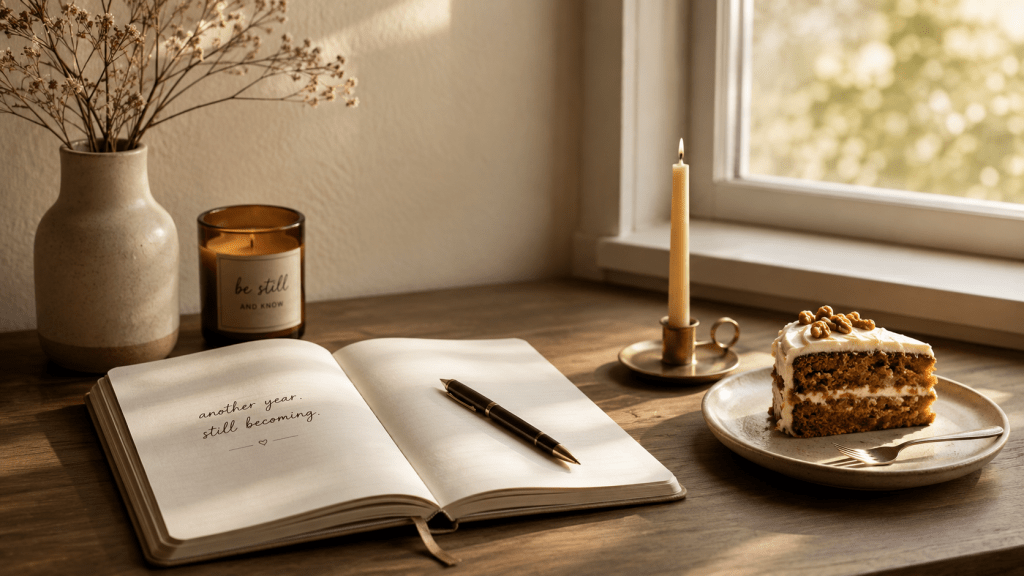
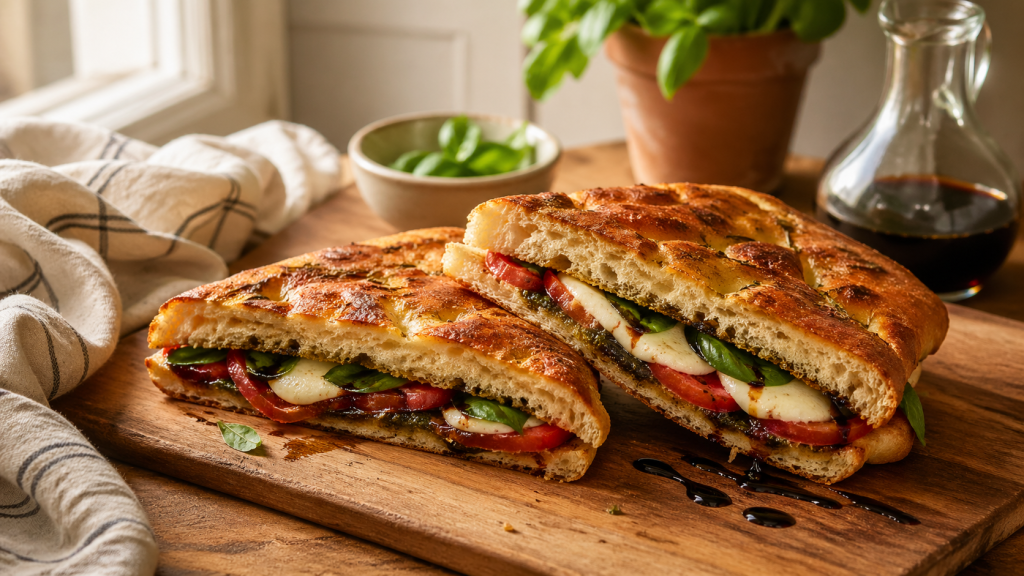
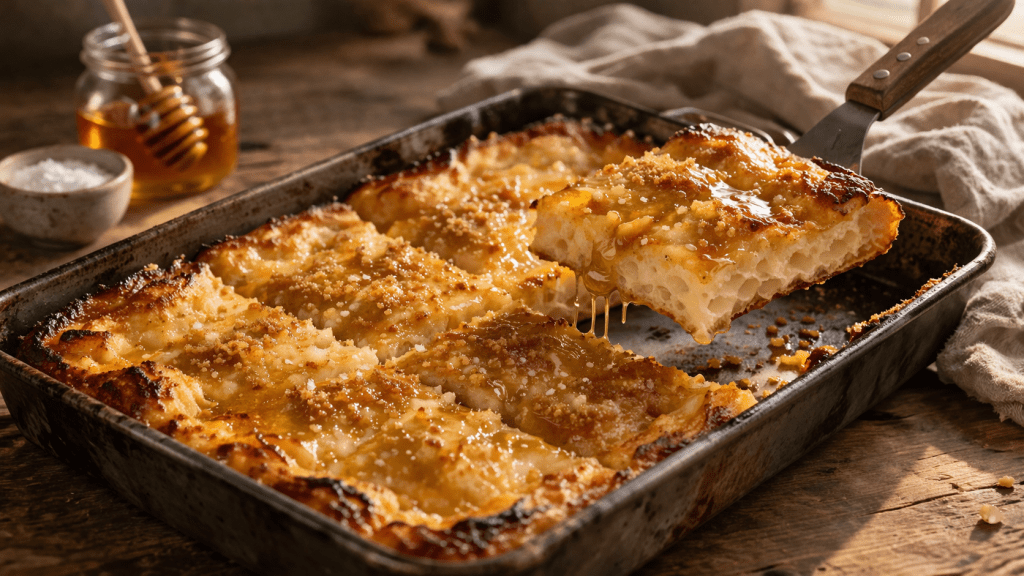
There was pizza. My birthday Hawaiian pizza. A little sweet, a little salty, a little defiant in the way all pineapple pizza is defiant. There was more food than that, too. Ice cream. Cake.
A cake I did not buy.
And if you know my history with cakes, you understand that was probably for the best.
There are some things a man should not be trusted to negotiate with alone. Not because he is weak, but because he has learned himself well enough to know where the trapdoors are. There is wisdom in knowing your limits. There is wisdom in letting somebody else carry the cake into the room.
I tried to relax. I really did.
I let myself eat more than usual. I let the kitchen stay quiet more than usual. I did not cook as much. I told myself I was due for rest, and maybe I was. The body had been tired. The mind even more so. There is a kind of exhaustion that does not announce itself with collapse. It just makes every ordinary thing feel heavier. The pan. The laundry. The workout clothes. The blank page. The routine you once built with care suddenly looks like a staircase you are expected to climb with sandbags tied to your ankles.
So I rested.
Or I tried to.
Rest is not always peaceful when you are used to surviving through motion. Sometimes stopping feels like failure. Sometimes sitting still lets the old noise catch up. Sometimes the body lies down, but the mind keeps pacing the room, counting what remains undone.
But I gave myself what I could.
Then the birthday passed.
The cake was eaten. The pizza was posted. The day became a memory. And there I was again, standing at the edge of the ordinary life I had been trying to build.
The schedule was still there.
The workouts were still there.
The cooking was still there.
The writing was still there.
The work was waiting.
And this is the part people do not always talk about. Coming back.
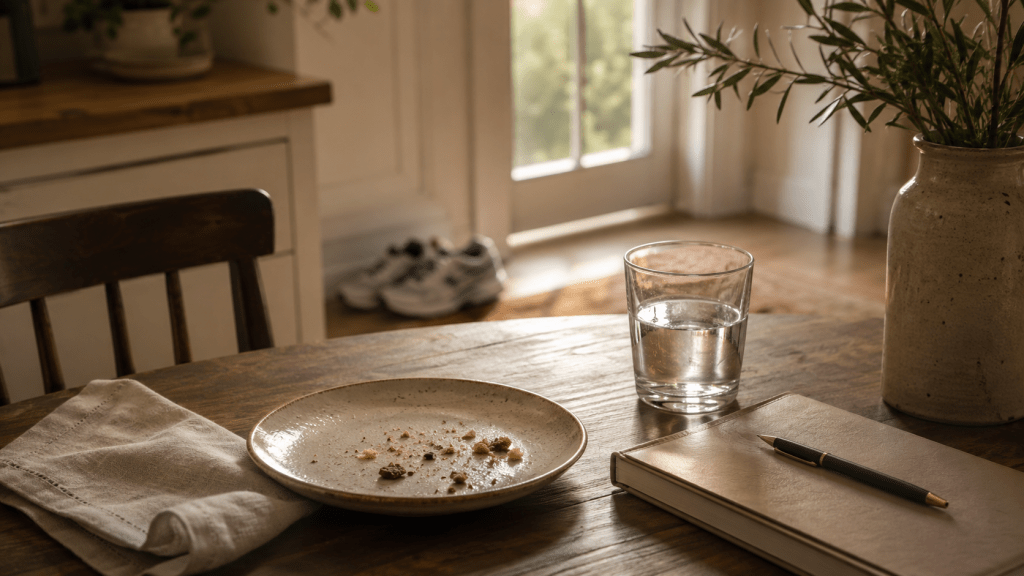
Not starting over. Not reinventing yourself. Not making some grand speech about discipline while the soundtrack swells behind you. Just coming back. Quietly. Awkwardly. Maybe with a little shame. Maybe with a little heaviness. Maybe with crumbs still on the plate and the body still asking for one more day.
There is violence in the way we sometimes speak to ourselves after rest.
We call ourselves lazy. Undisciplined. Weak. We look at a few days of softness and act as if all our progress has been burned to the ground. We forget that life is not a straight road. We forget that healing does not happen on a perfect schedule. We forget that even the strongest people sometimes need to sit down.
But the return still matters.
The return may be the real discipline.
Anybody can begin when the feeling is fresh. When the plan is new. When the shoes are clean, and the refrigerator is stocked, and the mind is full of promises. Beginning has its own electricity. But returning is different. Returning happens after interruption. After cake. After stress. After old sadness. After a week when you did not quite live the way you wanted to.
Returning asks for something deeper than motivation.
It asks for mercy.
It asks you to look at yourself honestly without becoming cruel.
It asks you to say, “Yes, I drifted. Yes, I am tired. Yes, I ate more than planned. Yes, I stepped away from the rhythm. But I am not gone.”
That is the sentence I am trying to hold onto.
I am not gone.
Salt, Ink & Soul is not just about food. It is about the life around the food. The discipline. The memory. The survival. The return. It is about the meals we make when we are steady, and the ones we order when we are not. It is about the cake we did not buy for ourselves because we knew better. It is about the pizza we made because some small part of us still wanted to mark the day with care.
It is about understanding that ordinary life is not separate from the sacred. Sometimes the sacred is the ordinary thing done again.
The workout resumed.
The kitchen is cleaned.
The post is written.
The water poured.
The next honest meal is planned.
The body is forgiven.
The mind steadied.
The day is taken one piece at a time.
That is where I am now. Not fully reset. Not all the way back. Not pretending the stress disappeared just because the birthday passed. I am in the middle place. The space between falling out of rhythm and finding it again.
And maybe that is where many of us live more often than we admit.
Not broken.
Not finished.
Not transformed overnight.
Just returning.
There is dignity in that.
There is dignity in the man who does not feel ready but begins again anyway. There is dignity in the woman who has carried too much and still folds the laundry. There is dignity in the parent who makes dinner tired. There is dignity in the person who walks back into the gym after missing days and does not make a speech about it. There is dignity in the writer who opens the page again, even when the words arrive slowly.
We are taught to admire the comeback only when it is dramatic. But most comebacks are quiet. They happen in kitchens. In notebooks. On walking paths. In grocery aisles. In the private decision not to let a hard week become a lost month.
So I am not rushing the reset.
I am not punishing myself back into shape.
I am not pretending rest was a failure.
I am returning one day at a time.
One meal.
One workout.
One page.
One small act of keeping faith with myself.
And maybe that is enough for now.
Maybe that is how we survive the difficult seasons. Not by becoming untouched by them, but by learning how to come back after they have touched us. Not by denying the stress, the history, the exhaustion, or the old ache wrapped around certain dates. But by refusing to let those things have the final word.
Last week was my birthday.
I made it through.
Kyle J. Hayes
Please like, comment, and share
Resources for Hard Times
If you’re looking for practical help, food support, or community resources, you can visit the Salt, Ink & Soul Resources Page.